Iceland in May: Weather, Daylight, Things to Do & Travel Tips

11.03.2026 (Updated: 27.04.2026, 13:31)
27.04.2026


Visiting Iceland in May is a fantastic way to experience the country during the transition from spring to summer. As part of Iceland’s shoulder season, May offers a great balance between improving weather, longer daylight hours, and fewer crowds compared to the busy summer months. For many travelers, this makes May one of the most appealing times to explore the island.
One of the biggest advantages of traveling to Iceland in May is the rapidly increasing daylight. By the end of the month, the country enjoys close to 20 hours of daylight, giving you plenty of time to explore waterfalls, glaciers, black sand beaches, and scenic coastal routes. These extended daylight hours also make road trips around Iceland especially rewarding, allowing you to see more in a single day.
Weather in Iceland in May can still be unpredictable, with a mix of sunshine, rain, and occasional chilly winds. However, road conditions are generally much easier than in winter, making it an excellent time for travelers considering renting a car in Iceland to explore at their own pace.
In this guide, we’ll cover everything you need to know about visiting Iceland in May, including weather conditions, daylight hours, wildlife sightings, driving tips, and the best things to do across the country.
Yes, May is a great time to visit Iceland, especially for travelers who want to experience the country with fewer crowds while still enjoying long daylight hours and improving weather conditions. Sitting between the colder winter months and the busy summer season, visiting Iceland in May offers a balanced travel experience that many consider one of the best times of year to explore the island.
One of the biggest advantages of traveling during May is the noticeable drop in tourist numbers compared to peak summer months. Popular destinations like the Golden Circle, South Coast waterfalls, and black sand beaches are often much less crowded, allowing you to enjoy Iceland’s dramatic landscapes at a more relaxed pace.
Another major benefit is the rapidly increasing daylight. By mid-May, Iceland experiences around 18 hours of daylight, giving visitors plenty of time to explore natural attractions, take scenic drives, and fit more activities into each day.
The weather also begins to improve compared to early spring. While temperatures are still cool, conditions are generally milder, making sightseeing and outdoor adventures more comfortable. If you want a deeper look at weather throughout the year in Iceland, seasonal guides can help compare May with other months.
However, there are a few limitations to keep in mind. Iceland’s remote Highlands region typically remains closed in May due to lingering snow and road conditions. Weather can also be unpredictable, with occasional rain, wind, or sudden temperature changes.
Overall, Iceland in May weather and travel conditions make it an excellent choice for visitors seeking long days, fewer crowds, and great road trip opportunities.
The weather in Iceland in May marks a clear transition from the colder months of early spring toward the milder conditions of summer. While Icelandic weather is famously unpredictable year-round, May generally brings longer days, slightly warmer temperatures, and more stable travel conditions compared to winter.
For travelers planning a road trip or outdoor adventures, Iceland May weather is usually comfortable enough for sightseeing, hiking, and exploring the country’s natural landmarks. However, it’s still important to be prepared for rapidly changing conditions.
The temperature in Iceland in May typically ranges between 4°C and 10°C (39°F–50°F). Coastal areas and lowland regions, such as Reykjavík and the South Coast, often experience the mildest temperatures, while higher elevations and northern areas may still feel noticeably cooler.
Although snow is uncommon in most parts of the country during May, it can occasionally occur early in the month, particularly in mountainous regions. Even when temperatures are relatively mild, wind can make the air feel colder than it actually is. If you're curious about how cold Iceland really gets throughout the year, it helps to understand how dramatically conditions can vary between seasons.
Rain showers are common in Iceland at any time of year, and May is no exception. While it’s not typically the wettest month, travelers should still expect occasional rainfall and changing skies throughout the day.
Wind is another important factor in Iceland’s climate. Strong coastal winds can quickly shift weather patterns, meaning a sunny morning may turn cloudy or rainy within a few hours. This is why dressing in layers and bringing waterproof outerwear is essential when traveling around Iceland in spring.
One interesting aspect of Iceland in May weather is how much conditions improve as the month progresses. Early May can still feel like late spring, with cooler temperatures and more frequent storms. By late May, however, temperatures often become milder and daylight increases dramatically, creating conditions that start to resemble early summer.
For many travelers, this gradual shift makes the second half of May one of the most enjoyable periods to explore Iceland’s landscapes and scenic driving routes.
Weather in Iceland during May can change quickly, so the best approach when packing is to use a layering system. Layering allows you to easily add or remove clothing throughout the day as temperatures shift between sunshine, wind, and occasional rain. Even though spring conditions are milder than winter, Iceland’s coastal winds and changing weather mean it’s still important to pack practical outdoor clothing.
Here are the essential clothing items to pack for Iceland in May:
By dressing in layers and bringing weather-resistant clothing, you’ll be well prepared to enjoy everything Iceland has to offer in May—from scenic road trips to outdoor adventures.
One of the most exciting aspects of visiting Iceland in May is the rapidly increasing daylight. As the country moves closer to summer, the days become significantly longer, giving travelers much more time to explore Iceland’s landscapes, waterfalls, and scenic coastal routes.
At the beginning of the month, Iceland already experiences long days, but daylight continues to increase quickly as May progresses. By the end of the month, the country is approaching the famous Midnight Sun, when the sun barely sets below the horizon.
Here’s an approximate look at how daylight hours increase throughout the month:
|
Date |
Daylight |
|
May 1 |
~16 hours |
|
May 15 |
~18 hours |
|
May 31 |
~20 hours |
These extended daylight hours make it easier to plan full days of sightseeing and spontaneous stops along Iceland’s scenic routes. Whether you're photographing waterfalls, hiking along coastal cliffs, or driving between natural attractions, the long days allow for a much more flexible itinerary.
For travelers planning road trips or multi-stop itineraries, the near-continuous daylight in late May can feel almost surreal—offering plenty of time to experience Iceland’s dramatic landscapes without feeling rushed.
Many travelers planning a spring trip wonder: can you see northern lights in Iceland in May? Unfortunately, the answer is that it’s very unlikely. While the aurora borealis occurs year-round, seeing it depends on dark skies—and by May, Iceland experiences too much daylight for the lights to be visible.
As the country approaches the Midnight Sun, nights become extremely short and bright. By the end of the month, Iceland receives nearly 20 hours of daylight, and even during the late evening hours the sky rarely becomes dark enough for aurora viewing. Because of this, the typical northern lights Iceland May experience is limited or nonexistent for most visitors.
The northern lights season in Iceland generally runs from September through mid-April, when long, dark nights provide the best viewing conditions. During this period, clear skies combined with solar activity make it possible to see the aurora dancing across Iceland’s landscapes.
If witnessing this natural phenomenon is high on your travel list, it’s helpful to learn more about the best time of year to see the aurora and how seasonal daylight affects visibility.
That said, visiting Iceland in May still offers incredible natural experiences—from long scenic drives to wildlife sightings and powerful waterfalls—making it a fantastic time to explore even without the northern lights.
With longer days, milder temperatures, and fewer crowds than the peak summer months, there are many incredible things to do in Iceland in May. Spring is a fantastic time to explore the country’s famous natural attractions, take scenic drives, and enjoy outdoor experiences that become easier as the weather improves.
Because daylight hours increase rapidly throughout the month, travelers can comfortably visit multiple destinations in a single day. This makes visiting Iceland in May particularly ideal for road trips and exploring different regions of the island at your own pace. From waterfalls and geothermal areas to dramatic coastal landscapes, Iceland offers unforgettable experiences during this time of year.
One of the most popular activities when traveling in Iceland is driving the Golden Circle route, a scenic loop that showcases some of the country’s most famous natural landmarks. The route is easily accessible from Reykjavík and typically takes about a day to explore.
Highlights include Þingvellir National Park, where visitors can walk between the North American and Eurasian tectonic plates. The park also holds deep historical significance as the site of Iceland’s first parliament.
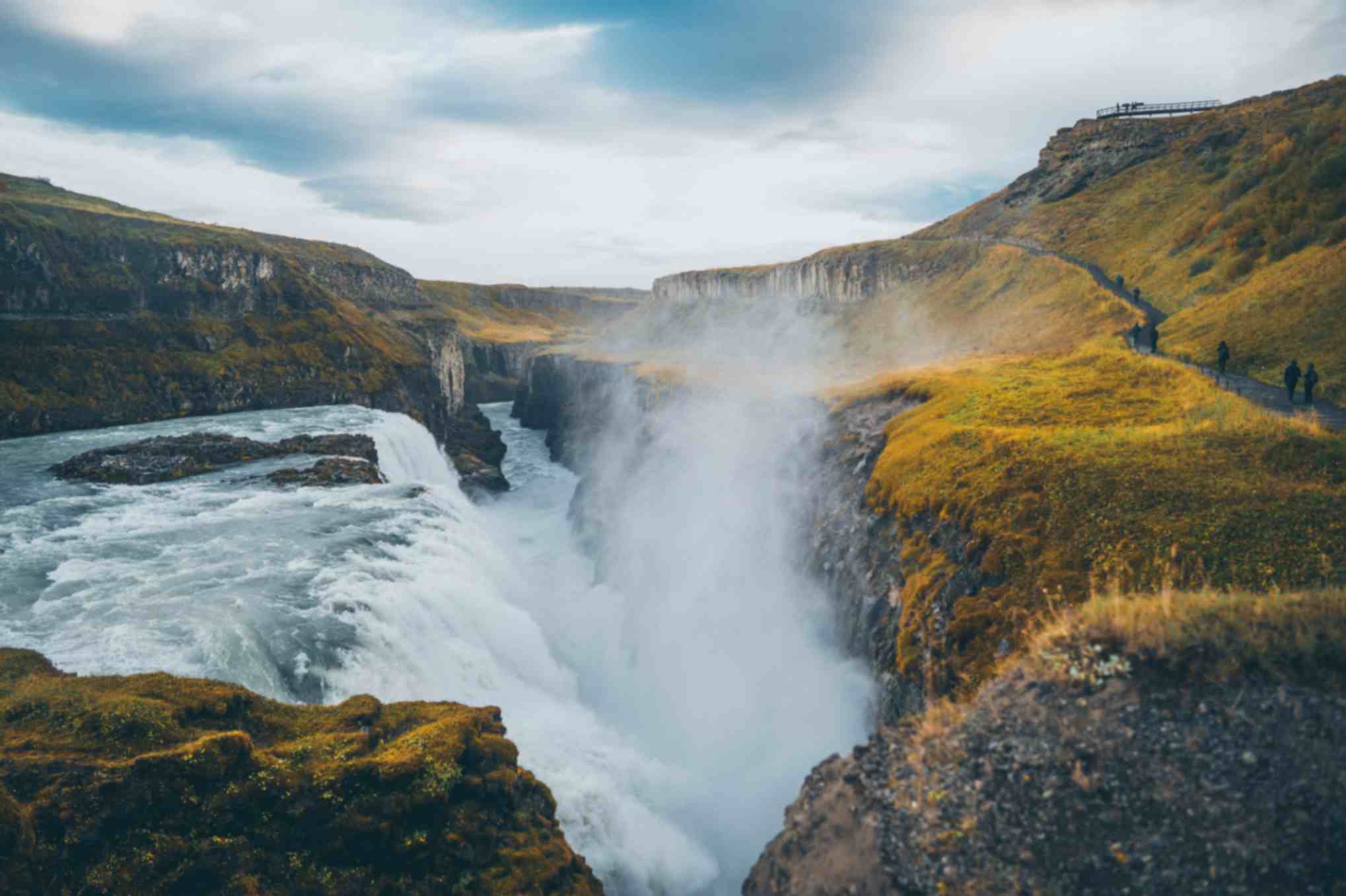
Another major stop is the Geysir geothermal area, home to bubbling hot springs and the Strokkur geyser, which erupts every few minutes. The route ends at Gullfoss, a powerful waterfall that becomes especially impressive in spring as melting snow increases water flow.
For a complete overview of stops and travel tips, check out our guide to driving the Golden Circle route.
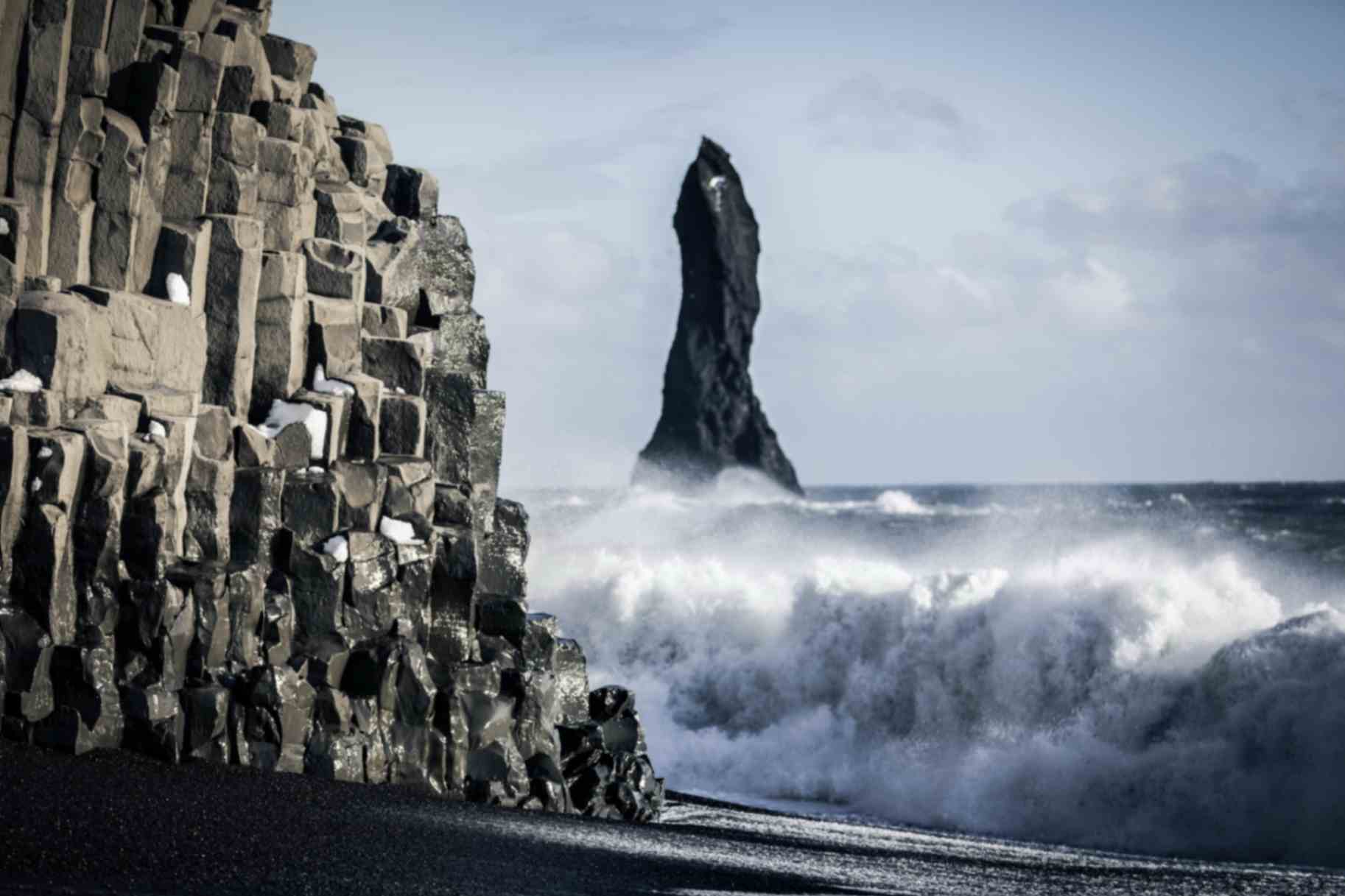
Iceland’s volcanic history has created some of the most striking coastlines in the world. One of the most famous is Reynisfjara black sand beach on the South Coast. Known for its dramatic basalt columns, powerful Atlantic waves, and sea stacks rising from the ocean, Reynisfjara is a must-see destination when exploring Iceland in spring.
After a day of sightseeing, soaking in geothermal water is one of the most relaxing experiences in Iceland. Across the country, visitors can find a variety of natural hot springs around Iceland, ranging from remote pools in the countryside to well-known geothermal baths surrounded by stunning scenery.
In May, the cooler spring air combined with warm geothermal water makes hot springs especially enjoyable, offering a perfect way to unwind after exploring Iceland’s landscapes.
For many travelers, driving in Iceland in May is one of the best ways to experience the country’s dramatic landscapes. As spring transitions toward summer, road conditions improve significantly compared to winter, making it easier to explore Iceland’s scenic routes and natural attractions. Renting a car gives you the freedom to stop at scenic viewpoints, waterfalls, and hidden locations along the way. Local providers such as Saga Car Rental offer vehicles suited for Icelandic road conditions, with options ranging from economical city cars to larger SUVs for longer road trips.
One of the biggest advantages of visiting during this time is that the Ring Road (Route 1)—the main highway that circles the entire island—is typically fully accessible. This allows visitors to travel between major regions such as Reykjavík, the South Coast, East Iceland, and North Iceland with relative ease. Popular routes like the Golden Circle and South Coast are also straightforward to navigate during May.
Snow becomes much less common across most lowland areas by this point in the year, although higher mountain passes may still experience occasional cold weather early in the month. Overall, road conditions in Iceland in May are usually stable, especially compared to the icy and snowy conditions travelers face during winter.
Another advantage of traveling during May is that it falls within Iceland’s shoulder season. Roads are generally quieter than during peak summer months, which means less traffic at major attractions and more flexibility when planning scenic drives or road trips.
Even with improving conditions, drivers should always stay informed about weather and road updates before heading out. Understanding the driving rules in Iceland—including speed limits, road conditions, and changing weather conditions—can help ensure a safe and enjoyable trip.
With long daylight hours and accessible roads, May is an excellent time for travelers who want the freedom to explore Iceland by car while enjoying a more relaxed travel atmosphere.


Thanks to long daylight hours, improving weather, and relatively quiet roads, May is one of the best months for exploring Iceland by car. Many of the country’s most scenic routes become easier to drive during spring, making road trips one of the top experiences when visiting Iceland in May. With nearly endless daylight by the end of the month, travelers have plenty of time to explore multiple destinations in a single day.
One of the most popular routes during spring is the South Coast. This region is famous for its dramatic waterfalls, black sand beaches, glaciers, and coastal cliffs. Destinations such as Seljalandsfoss, Skógafoss, and Reynisfjara are all easily accessible from Reykjavík, making the South Coast an excellent road trip for travelers with limited time.
Another fantastic option is the Snæfellsnes Peninsula, often described as “Iceland in miniature.” Located a few hours from Reykjavík, this region features volcanic craters, lava fields, charming fishing villages, and the iconic Snæfellsjökull glacier. Because of its diverse landscapes, the peninsula offers a compact yet incredibly scenic road trip.
Travelers can also extend their journey beyond the Golden Circle to explore nearby valleys, geothermal areas, and hidden waterfalls that many visitors miss. With fewer crowds than summer and longer daylight hours, spring offers excellent conditions for discovering these routes.
If you're planning a driving adventure, exploring different Iceland road trip itineraries can help you choose the best route based on the time you have and the regions you want to explore.
Overall, May is a fantastic month to visit Iceland, especially for travelers looking for a balance between good travel conditions and fewer crowds. As spring transitions toward summer, the country begins to enjoy long daylight hours, making it easier to explore Iceland’s landscapes, waterfalls, and coastal scenery without feeling rushed.
Another advantage of visiting Iceland in May is that many popular attractions are quieter than during the peak summer season. This allows visitors to enjoy iconic destinations such as the Golden Circle, the South Coast, and other scenic regions with a more relaxed atmosphere.
May is also an excellent time for road trips, thanks to improving weather and generally accessible roads across much of the country. With nearly endless daylight toward the end of the month, travelers can cover more ground and experience a wide variety of landscapes in a single trip.
However, there are a couple of limitations to keep in mind. The Northern Lights are extremely unlikely to be visible due to the bright nights, and Iceland’s remote Highlands typically remain closed until early summer.
For travelers interested in scenic drives and flexible itineraries, exploring different Iceland road trip itineraries can be a great way to make the most of a May visit.

No, Iceland is not very crowded in May compared to the peak summer months of June, July, and August. May falls within Iceland’s shoulder season, which means many popular attractions such as the Golden Circle, South Coast waterfalls, and black sand beaches are noticeably quieter. Travelers can often enjoy scenic viewpoints, hiking trails, and natural landmarks without the heavy tour bus traffic seen in midsummer. This makes May a great time for visitors who want to experience Iceland’s landscapes at a more relaxed pace.
May is a great time for wildlife spotting in Iceland. Puffins begin arriving along coastal cliffs during spring, making locations like the South Coast and Westfjords excellent places for birdwatching. Whale watching tours also start increasing in May, particularly from towns such as Húsavík and Reykjavík. In addition to marine life, travelers may also see Arctic foxes, seabirds, and Iceland’s famous horses grazing in the countryside.
Traveling to Iceland in May can often be more affordable than visiting during peak summer. Flights, accommodations, and rental cars may still be slightly lower in price compared to June through August, when demand increases significantly. Because May offers long daylight hours and good travel conditions, it’s often considered a great value month for visitors who want a summer-like experience without peak-season prices.
Most major roads in Iceland are open in May, including the Ring Road (Route 1) that circles the entire island. This allows travelers to explore many of the country’s most famous destinations by car. However, the remote Highlands and F-roads typically remain closed until June or later due to snow and rough conditions. For most travelers focusing on popular regions such as the Golden Circle, South Coast, or Snæfellsnes Peninsula, road access in May is usually excellent.
Yes, May is one of the best months to see puffins in Iceland. These colorful seabirds typically arrive in Iceland during spring and stay throughout the summer breeding season. Puffins nest along coastal cliffs and offshore islands, with some of the best viewing areas located on the South Coast and in the Westfjords. Visiting in May allows travelers to see puffins before the peak summer crowds arrive.
Yes, May is one of the best months for an Iceland road trip. Snow and ice are much less common on major roads, daylight hours are extremely long, and traffic is lighter than during the busy summer season. These conditions make it easier to drive between attractions and explore multiple regions in one trip. Many visitors use May to travel along the South Coast, explore the Golden Circle, or take longer scenic drives around the island.
Daylight hours in Iceland increase rapidly throughout May. At the beginning of the month, the country receives around 16 hours of daylight, while by the end of May there can be nearly 20 hours of daylight. This extended daylight allows travelers to fit more sightseeing into each day and enjoy Iceland’s landscapes late into the evening.


