The Ultimate Guide to Iceland’s South Coast: Map, Itinerary, Stops & Travel Tips

20.03.2026 (Updated: 27.04.2026, 13:25)
27.04.2026


Iceland’s South Coast is the stretch of Route 1 (Ring Road) between Reykjavík and Jökulsárlón Glacier Lagoon, known for waterfalls, black sand beaches, glaciers, and volcanic landscapes. It is one of the most popular road trip routes in Iceland due to its accessibility and concentration of major natural attractions.
Geographically, it runs along Iceland’s southern edge from Reykjavík through Vík to Jökulsárlón Glacier Lagoon, following Route 1 (Ring Road) the entire way.
Along this route, you encounter major landmarks like Seljalandsfoss, Skógafoss, Reynisfjara black sand beach, and glaciers connected to Vatnajökull—all within a single, continuous drive.
New to Iceland? Learn more about where Iceland is located.
Iceland’s South Coast is worth visiting because it offers the highest concentration of waterfalls, glaciers, black sand beaches, and volcanic landscapes in a single, easily accessible route from Reykjavík.
What makes it stand out is how efficiently these landmarks are connected. Unlike regions that require detours or loops, the South Coast delivers a continuous, high-impact road trip with minimal planning and maximum variety.
While the Golden Circle is a short loop focused on a few major sites, the South Coast is a linear journey with greater variety and scale. It requires more time, but delivers a more immersive and diverse experience.
The South Coast route follows Iceland’s Ring Road (Route 1) from Reykjavík to Jökulsárlón, passing major stops like Seljalandsfoss, Skógafoss, and Vík.
At-a-Glance
The South Coast route is a linear west-to-east journey along Route 1 (Ring Road), Iceland’s main highway that circles the island. This section is widely considered the most scenic and accessible part of the Ring Road, making it ideal for both short trips and extended road journeys.
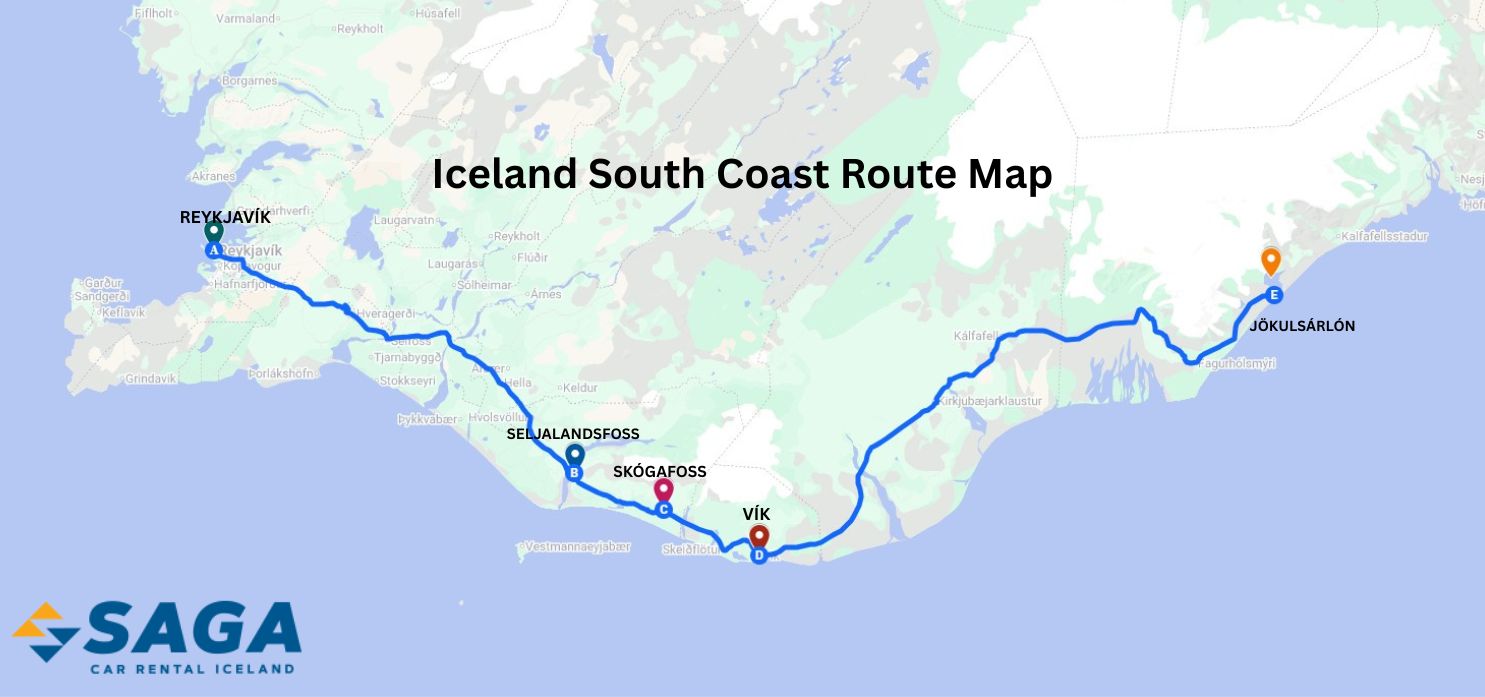
Starting from Reykjavík, the landscape quickly transitions from urban surroundings to open farmland and volcanic plains. The first major stop is Seljalandsfoss, famous for the path that allows visitors to walk behind the falling water. Just a short drive further east is Skógafoss, one of Iceland’s largest and most powerful waterfalls.
Continuing along the coast, you reach the village of Vík, a key midpoint and common turnaround point for day trips. Nearby are Reynisfjara black sand beach and the cliffs of Dyrhólaey.
Beyond Vík, the route becomes less crowded and more expansive. You enter the Vatnajökull region, where Skaftafell Nature Reserve offers hiking trails and glacier views. The route culminates at Jökulsárlón Glacier Lagoon, where icebergs drift from the glacier into a serene lagoon beside the ocean.
Rather than a collection of random stops, the South Coast is best understood as a progressive journey through Iceland’s natural systems—from waterfalls fed by inland glaciers, to volcanic coastlines, and finally to glacial lagoons at the edge of Vatnajökull.
Because distances are significant and weather can impact travel times, most travelers should avoid attempting the full route in a single day. Structuring your trip into logical segments (Reykjavík → Vík → Skaftafell → Jökulsárlón) ensures a more realistic and rewarding experience.
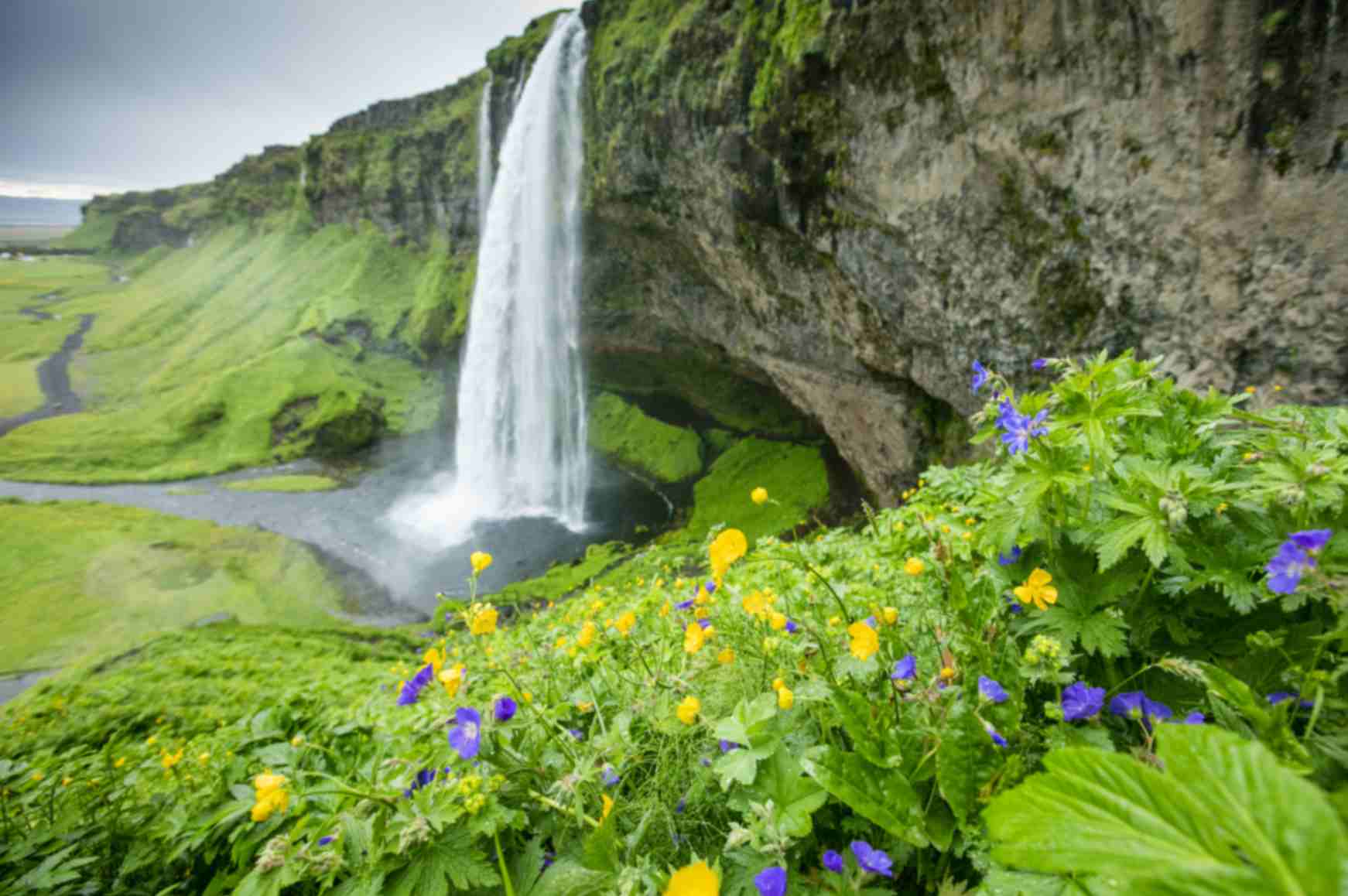
Seljalandsfoss is one of the most iconic waterfalls on Iceland’s South Coast, best known for the unique path that lets you walk behind the cascading water for a fully immersive experience.
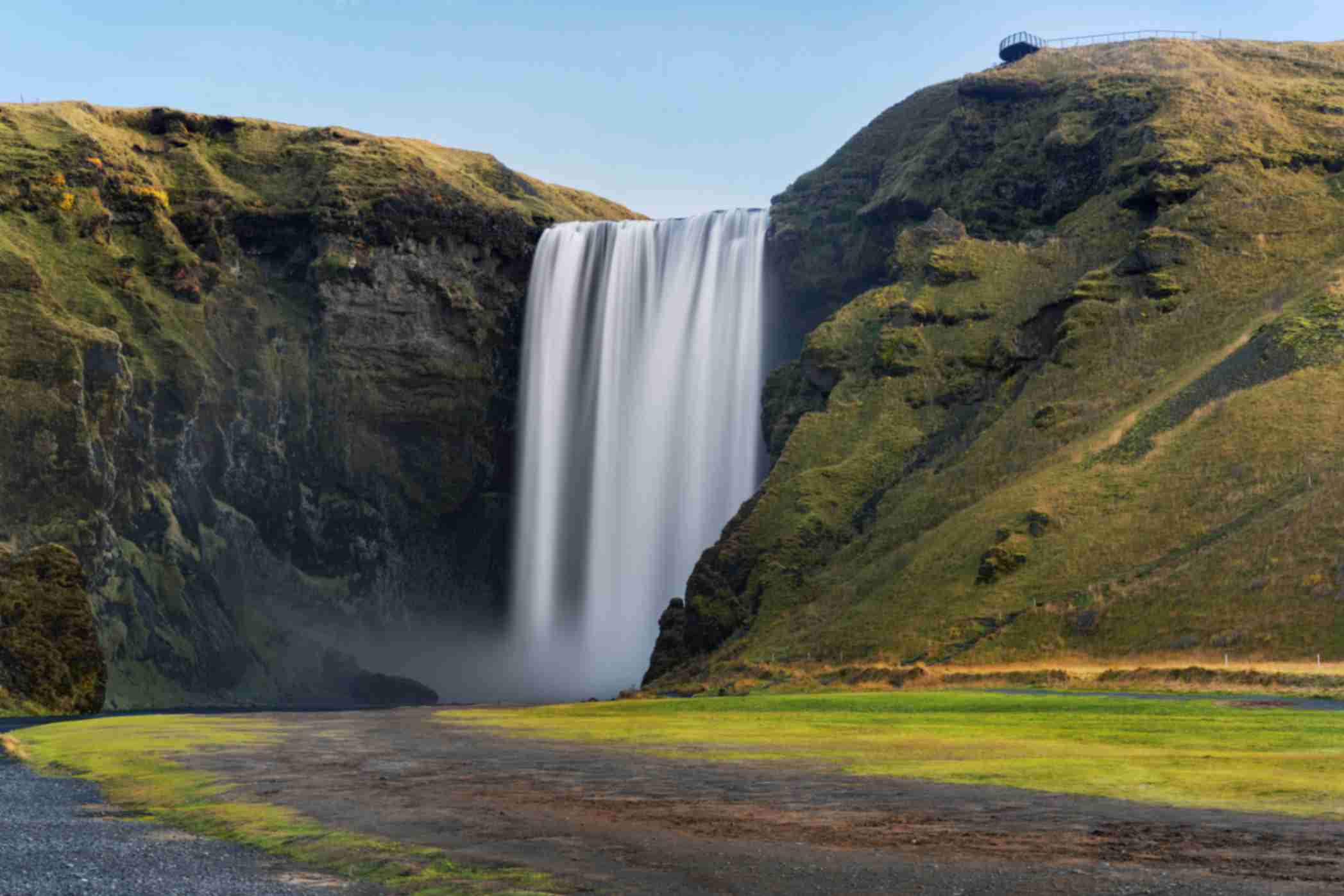
Skógafoss is a powerful and wide waterfall that delivers a dramatic visual impact, often producing rainbows on sunny days due to its strong mist.
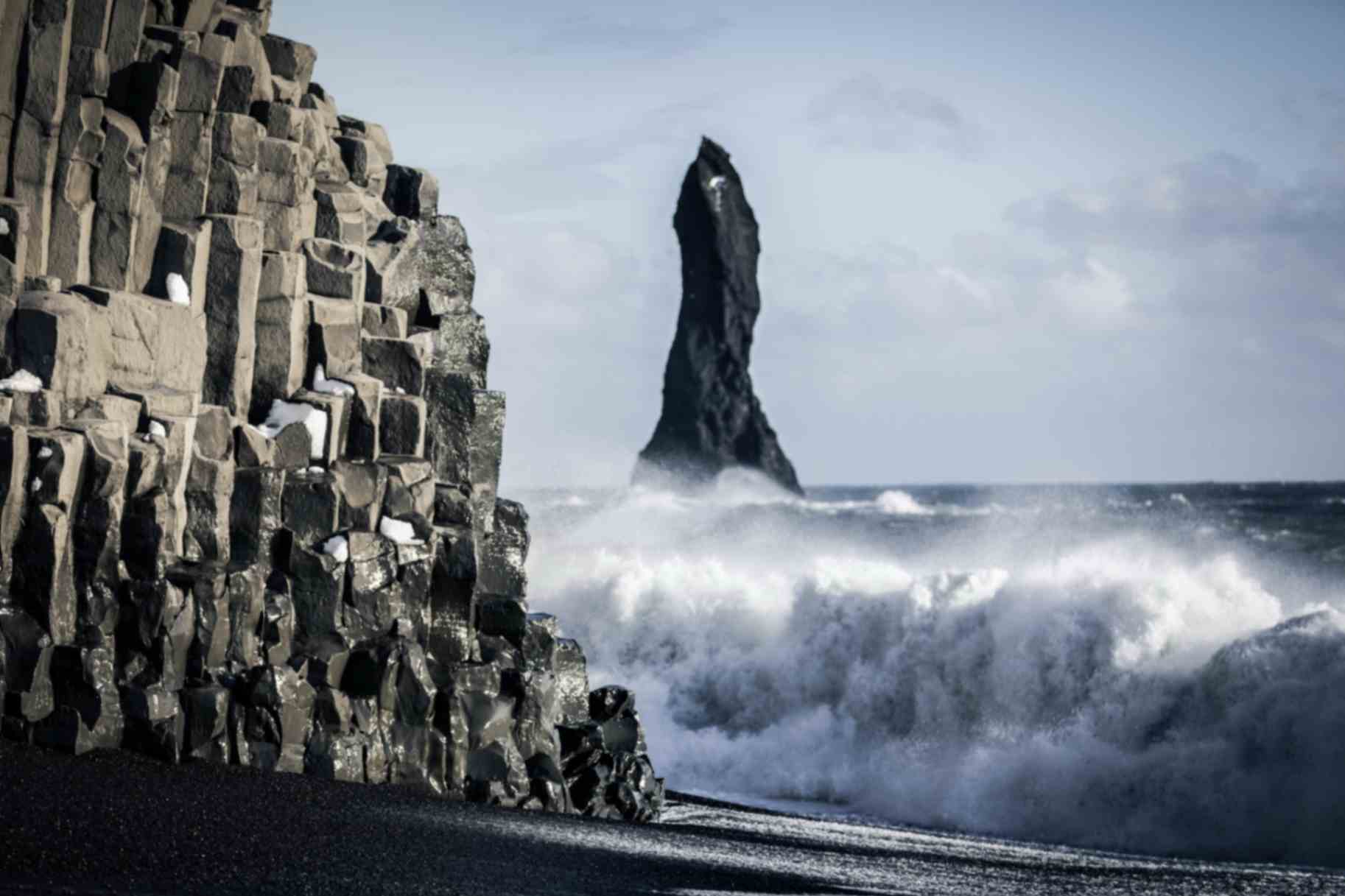
Reynisfjara Beach is a dramatic volcanic beach famous for its black sand, basalt columns, and powerful Atlantic waves.
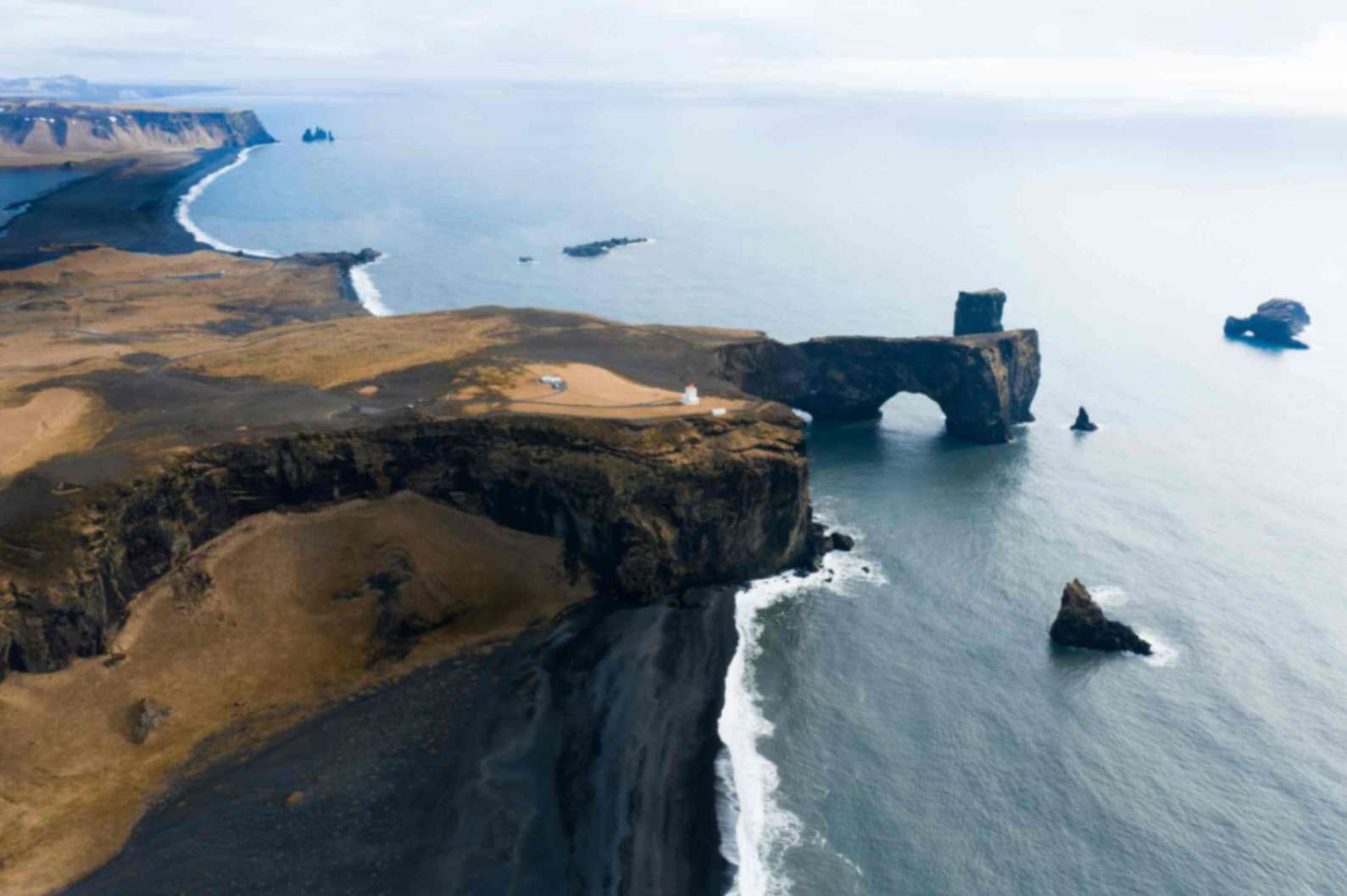
Dyrhólaey is a cliffside viewpoint offering sweeping views over black sand beaches, sea arches, and nesting seabirds.
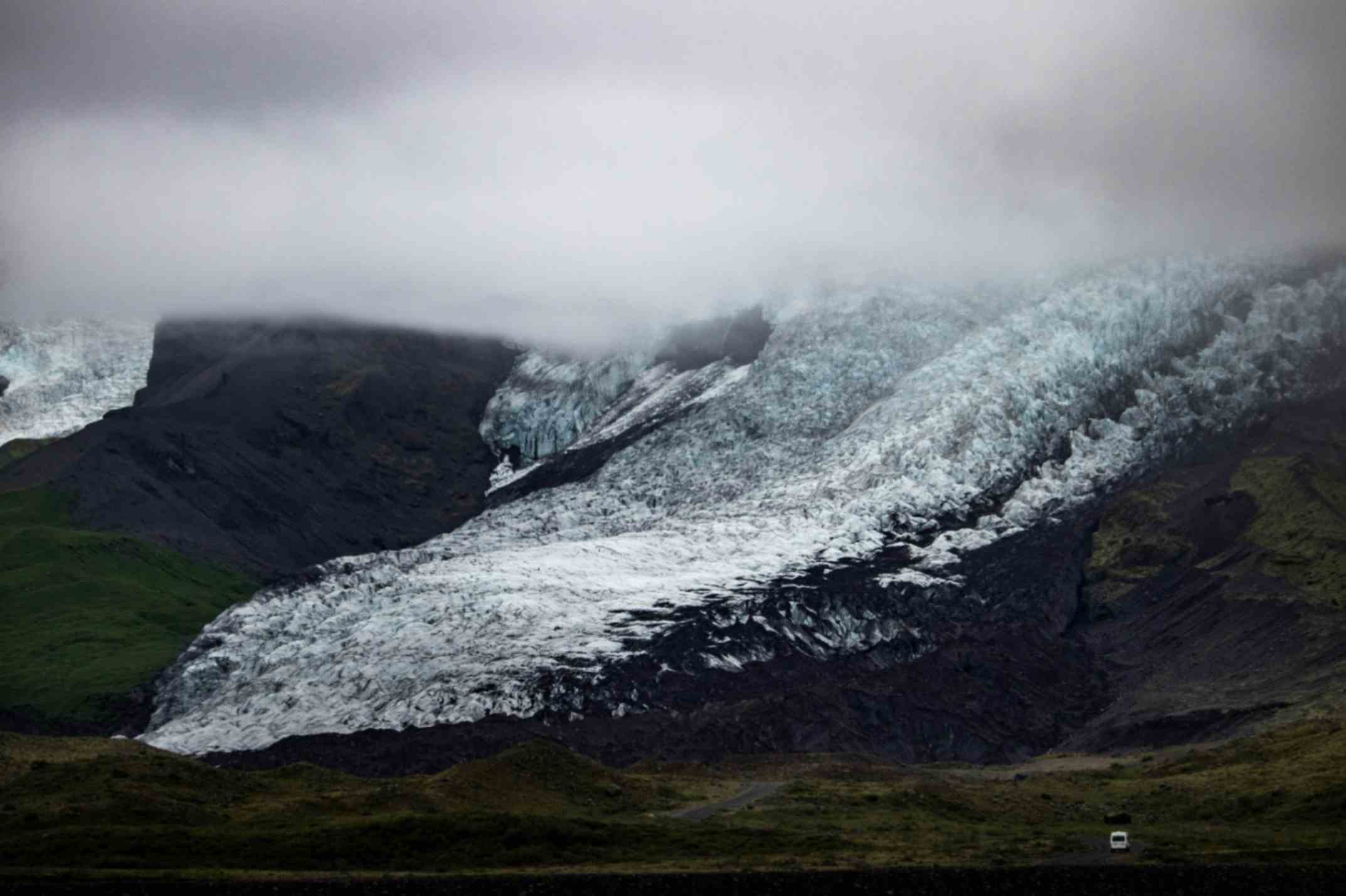
Sólheimajökull Glacier is an accessible glacier tongue where visitors can get close to Iceland’s ice formations or join guided glacier hikes.
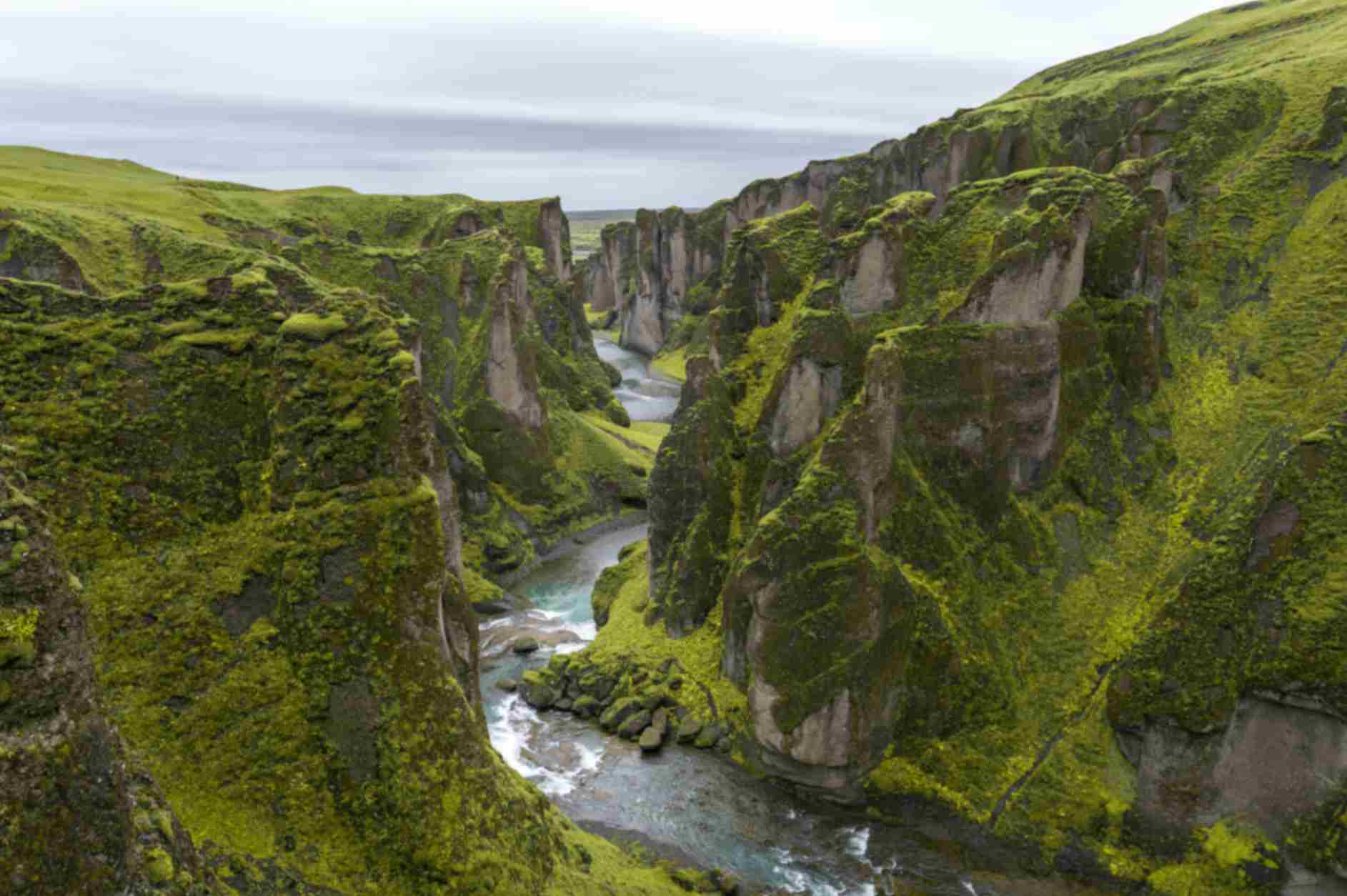
Fjaðrárgljúfur Canyon is a winding canyon with steep moss-covered cliffs and a river running through its base.
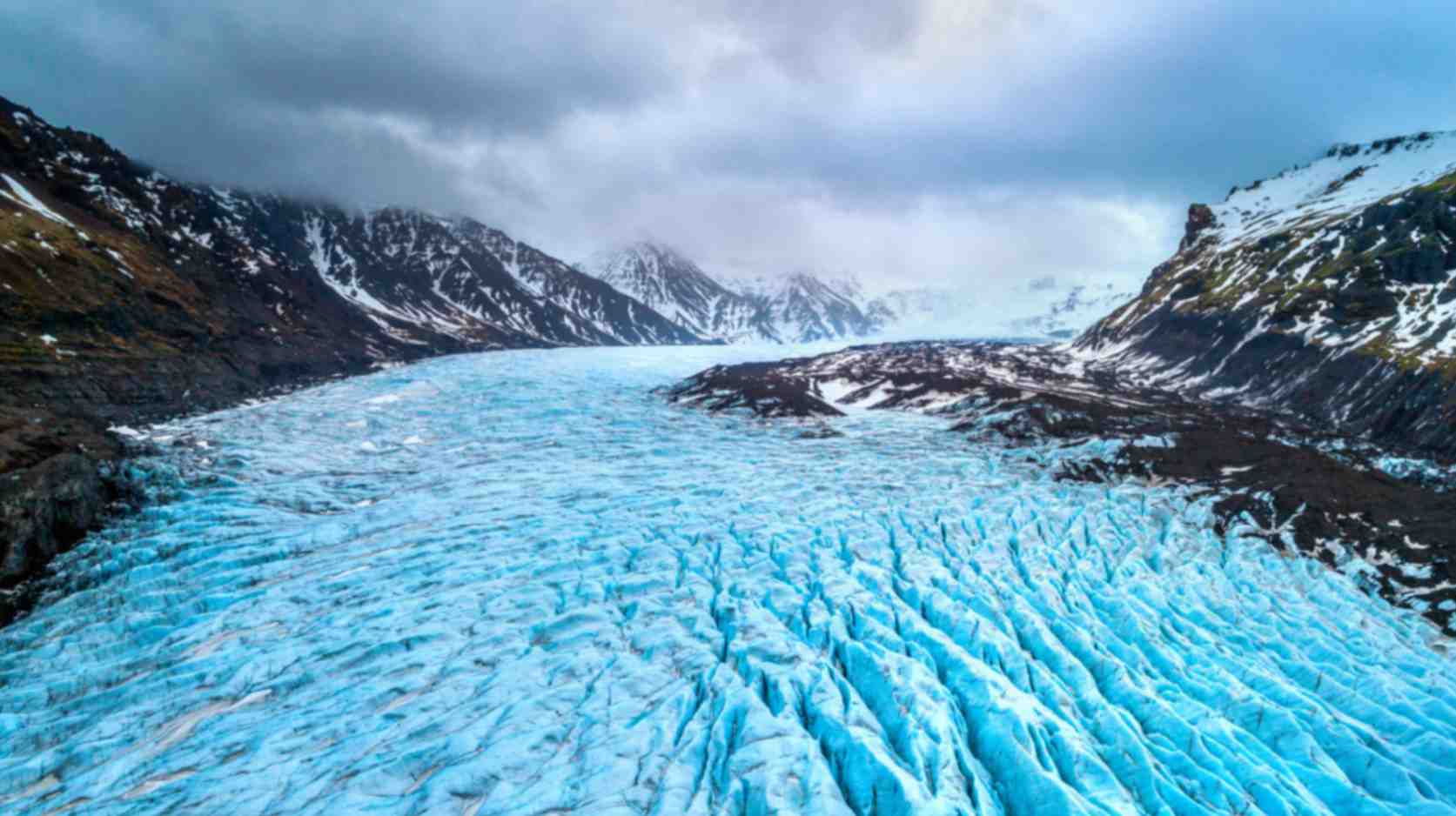
Skaftafell Nature Reserve is a hiking hub within Vatnajökull National Park, offering trails, waterfalls, and glacier views.
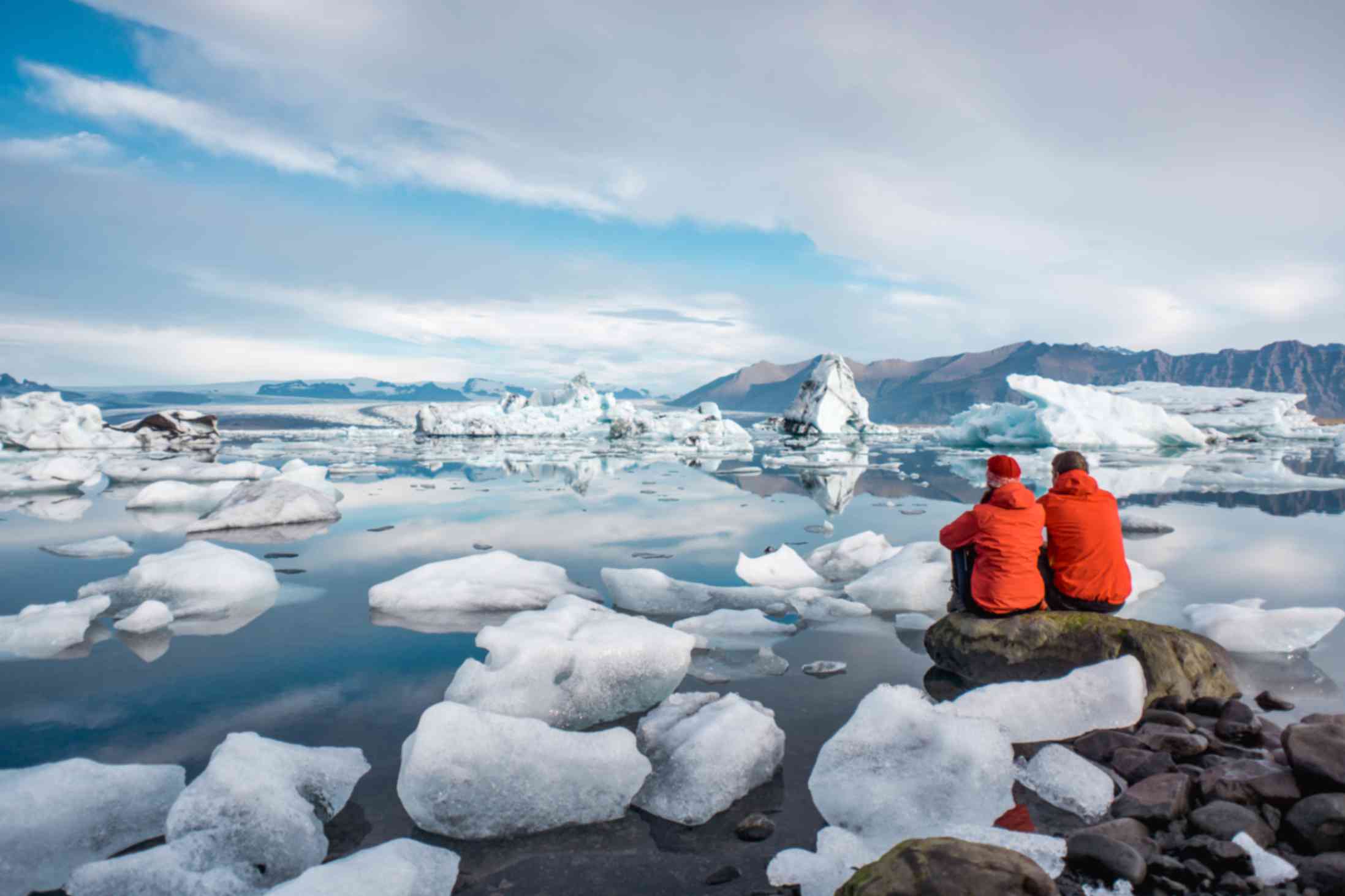
Jökulsárlón Glacier Lagoon is a surreal lagoon filled with floating icebergs that break off from a nearby glacier.
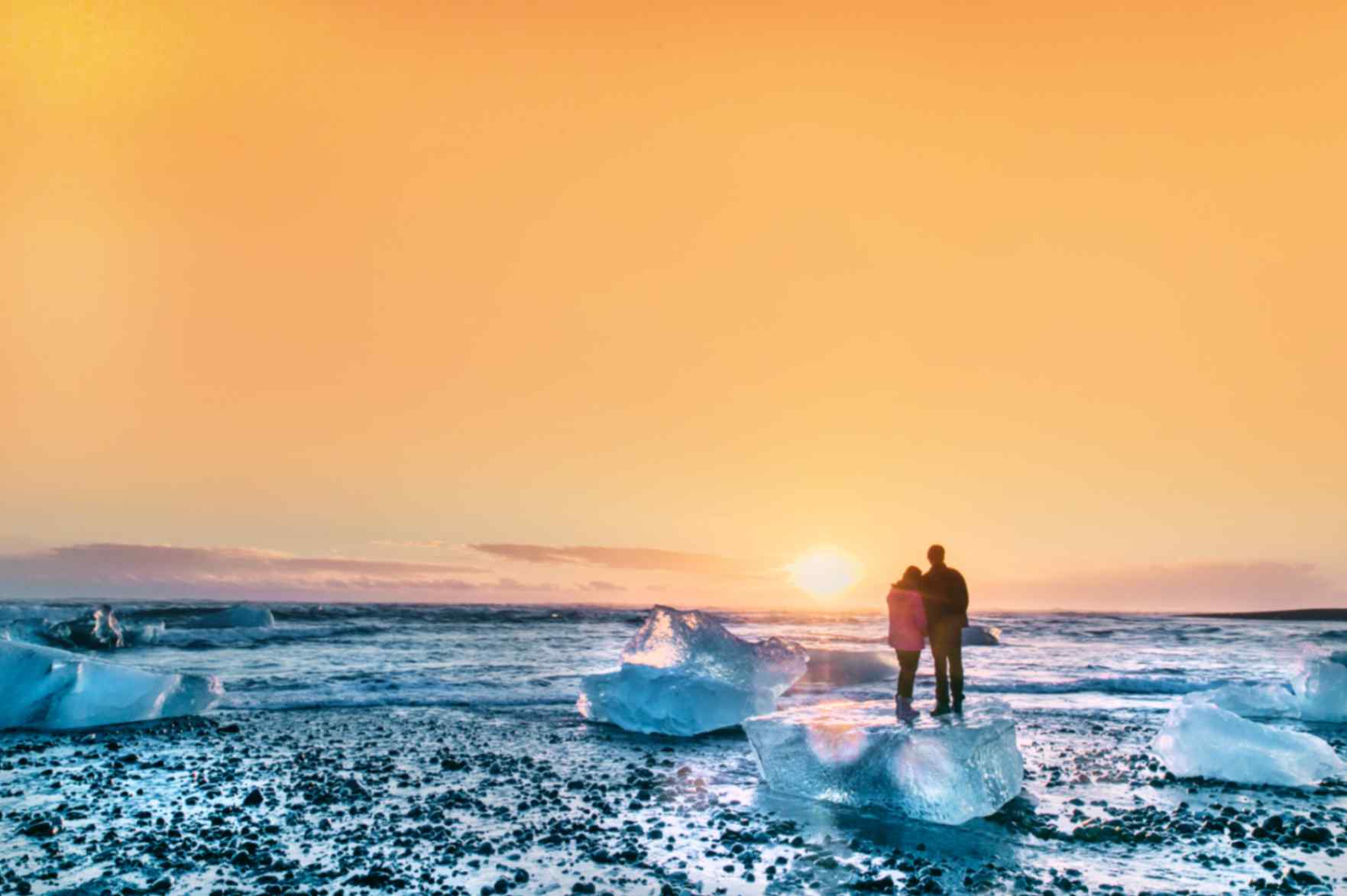
Diamond Beach sits just across from Jökulsárlón, where icebergs wash ashore and glisten like diamonds against the black sand.
The best things to do on Iceland’s South Coast are naturally sequenced along a single route, allowing you to experience waterfalls, glaciers, beaches, and canyons in one continuous journey. By understanding what each stop offers and how much time it requires, you can quickly prioritize based on your interests and trip length.
Beyond the must-see attractions, the South Coast offers a range of hands-on experiences tied directly to its landscapes. Many of these activities take place at or near the same locations you’ll already be visiting, making them easy to integrate into your itinerary.
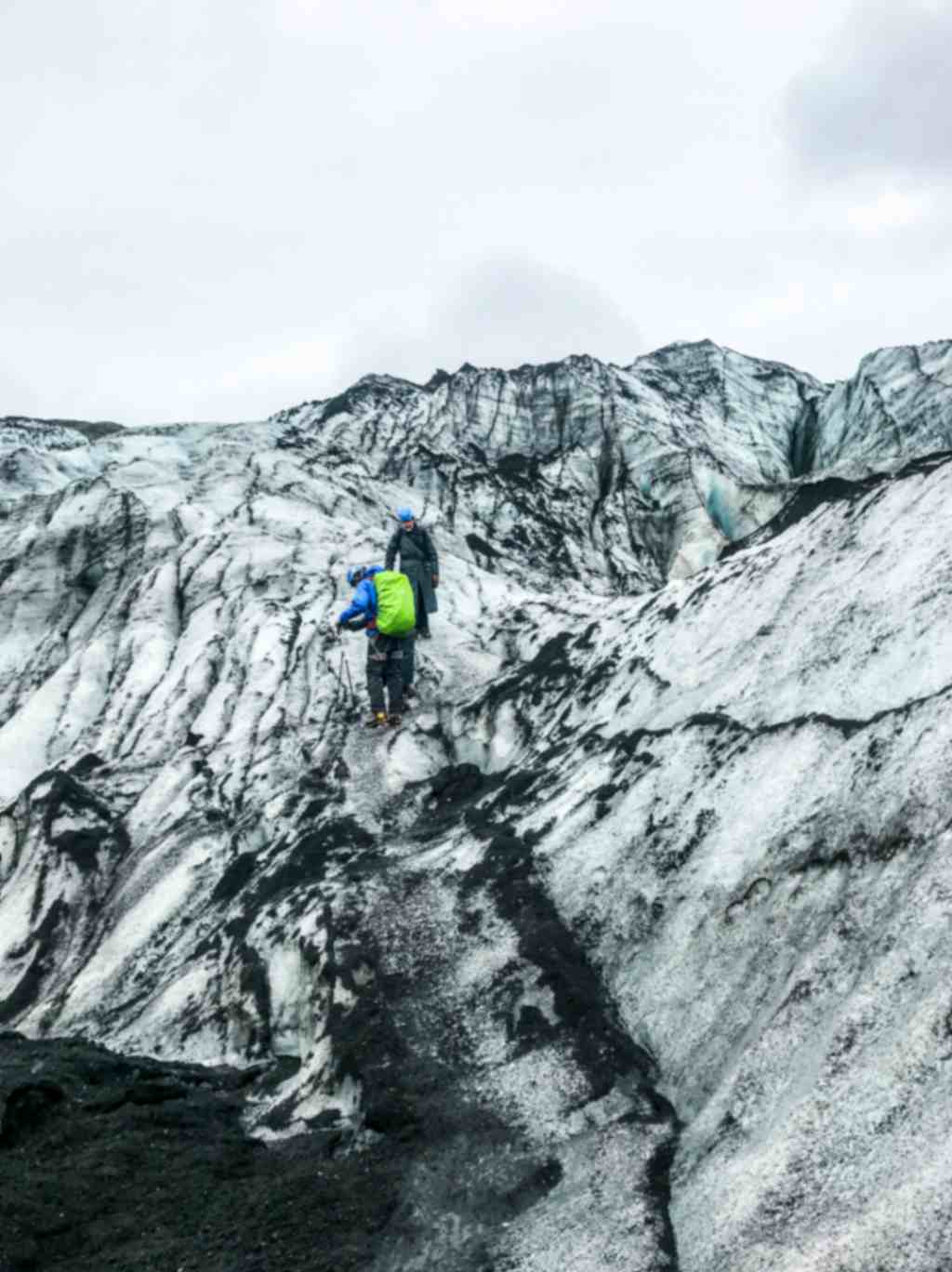
Glacier hiking is one of the most immersive ways to experience Iceland’s ice landscapes, taking place directly on accessible glacier tongues like Sólheimajökull Glacier and in the Skaftafell Nature Reserve region.
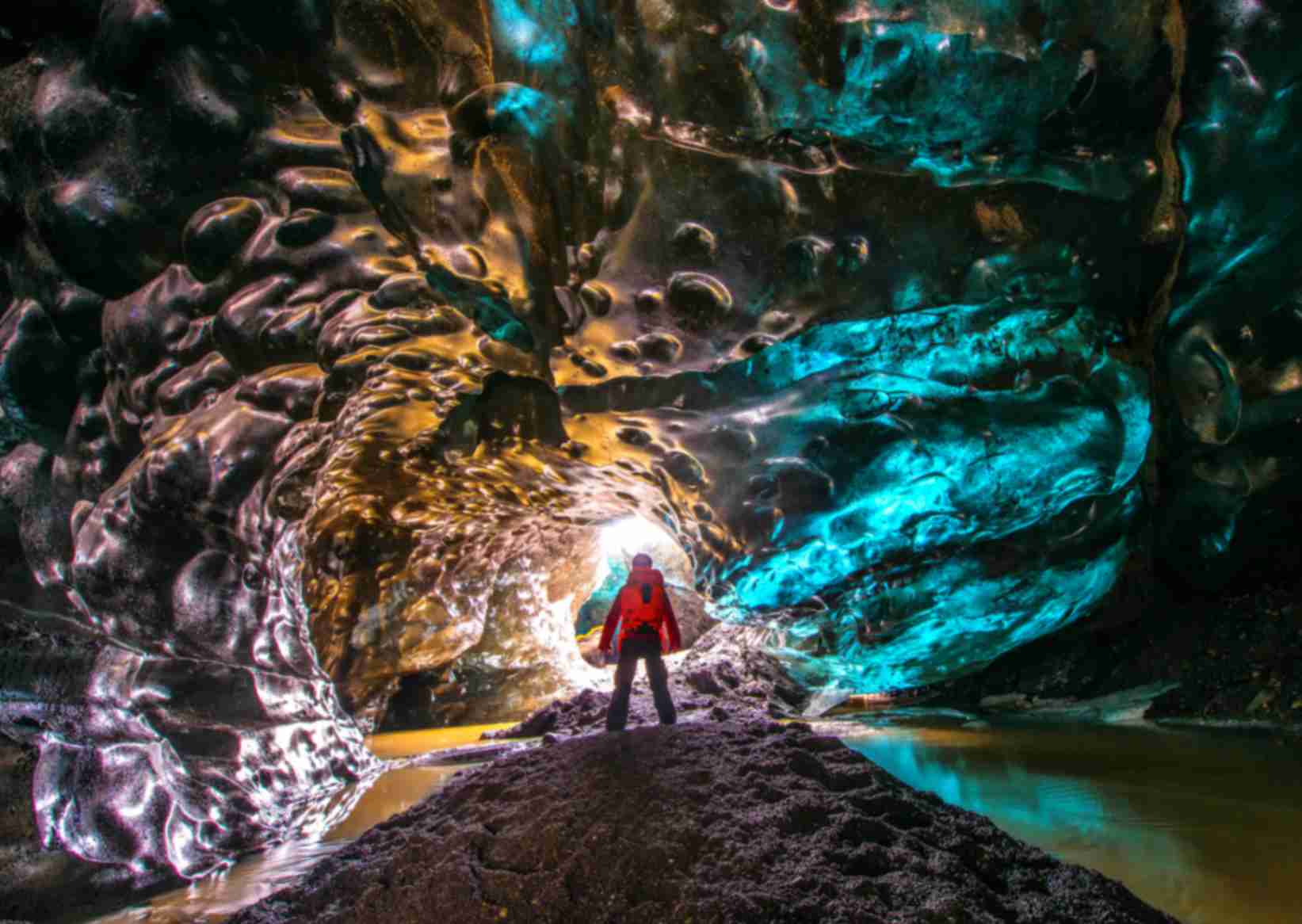
Ice cave tours take place in glaciers connected to Jökulsárlón Glacier Lagoon, making them a natural extension of visiting the lagoon itself.
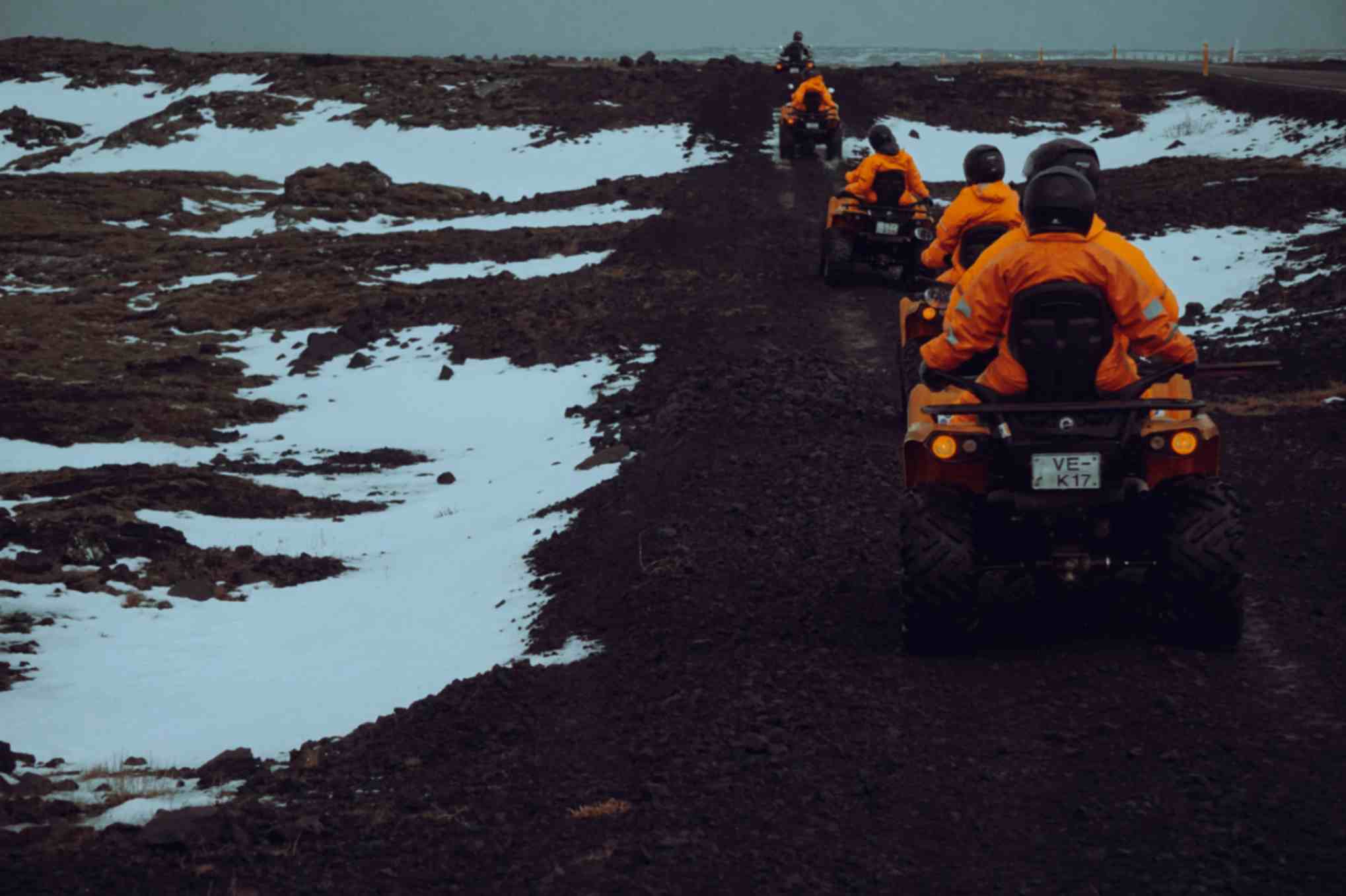
ATV tours are typically based around Reynisfjara Beach and nearby black sand plains, adding an adventure element to one of the South Coast’s most visited areas.
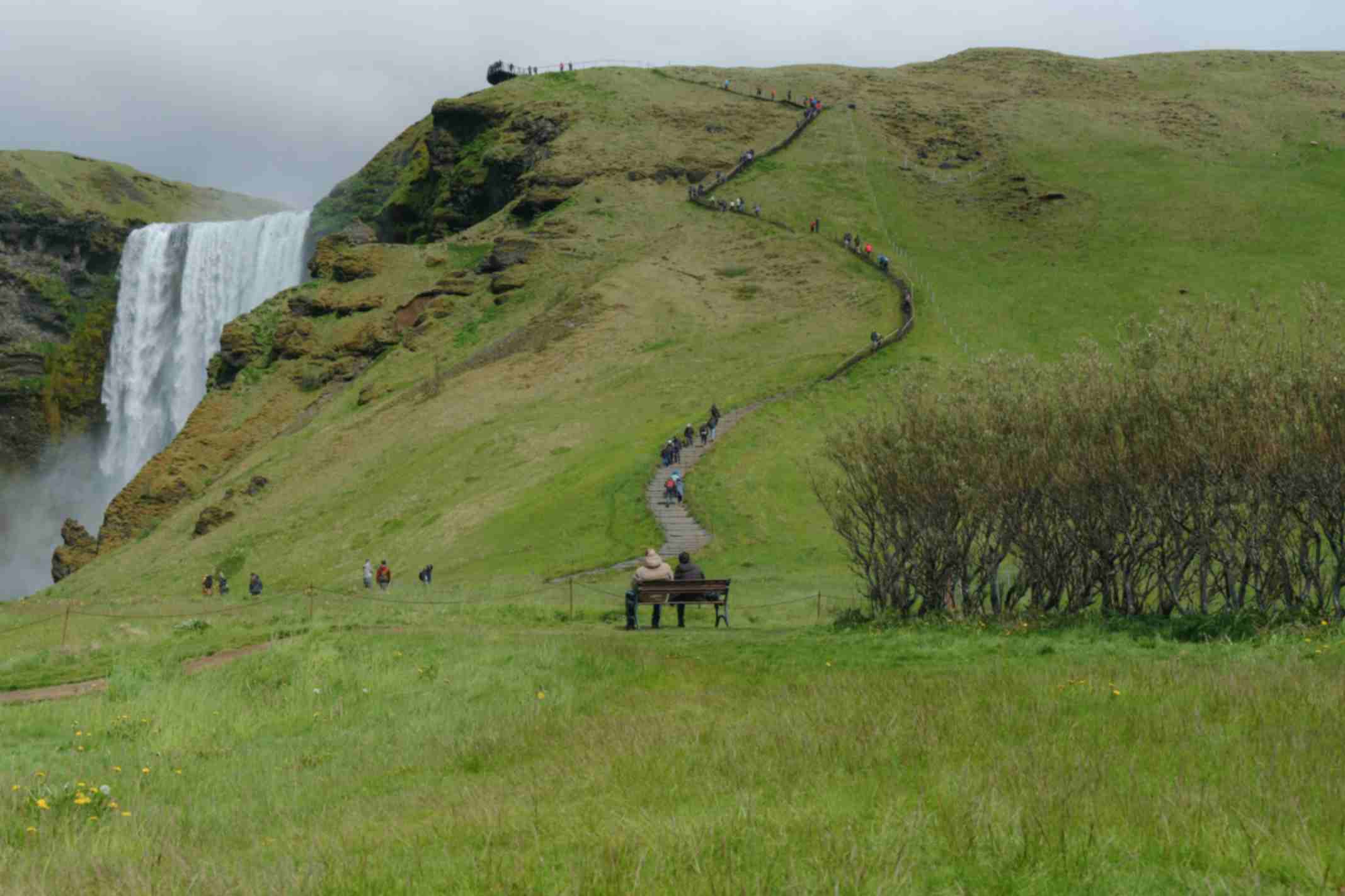
Many of the South Coast’s waterfalls, especially Seljalandsfoss and Skógafoss, offer trails that go beyond the main viewpoints.
Planning an Iceland South Coast itinerary depends primarily on how much time you have and how far east you’re willing to drive. Distances are significant, weather can slow travel, and stops are frequent—so realistic pacing is critical.
Below are three proven itinerary options based on actual travel constraints, helping you balance coverage vs comfort vs driving fatigue.
You can do the South Coast in 1 day, but it requires a long driving day with limited time at each stop. This option works best if you want a high-level experience of the highlights without going all the way to the glacier lagoon.
Route Overview: Reykjavík → Vík → return
Total driving: ~5–6 hours (round trip ~10–11 hours with stops)
Suggested Stops
Key Considerations
Best For
2 days is ideal for most travelers, allowing you to experience the South Coast at a more comfortable pace while reaching glacier landscapes. This option balances coverage and time at each stop without excessive fatigue.
Total driving: ~6–7 hours total across 2 days
Day 1: Reykjavík → Vík
Day 2: Vík → Skaftafell → return
Key Considerations
Best For
This is the most complete South Coast experience, allowing you to reach Iceland’s most iconic glacier lagoon without rushing. It offers the best balance between depth, comfort, and flexibility.
Route Overview: Reykjavík → Vík → Skaftafell → Jökulsárlón
Total driving: ~6–7 hours spread across 3 days
Day 1: Reykjavík → Vík
Day 2: Vík → Skaftafell
Day 3: Skaftafell → Jökulsárlón → return (partial or full)
Key Considerations
Best For
Visit in summer for accessibility and long days, or winter for fewer crowds and northern lights—but expect more weather risk.
The best time to visit Iceland’s South Coast depends entirely on your priorities: ease of travel, type of landscapes, and tolerance for unpredictable weather. Conditions along the coast can change rapidly, and factors like wind, precipitation, and daylight hours have a direct impact on both safety and experience—especially when driving long distances.
Rather than a single “best” time, the South Coast offers distinct seasonal experiences, each with clear advantages and trade-offs.
| Season | Pros | Cons | Best for |
|---|---|---|---|
| Summer (Jun–Aug) | Long daylight, easy driving, full access | Crowds, higher prices | First-time visitors, full trips |
| Shoulder (May & Sep) | Fewer crowds, balanced conditions | Unpredictable weather | Balanced travel, photographers |
| Winter (Oct–Apr) | Northern lights, dramatic scenery | Short days, harder driving | Guided tours, experienced travelers |
Summer is the most popular time to visit the South Coast—and for good reason. With near 24-hour daylight (midnight sun), you can spread out your itinerary, avoid time pressure, and safely complete longer routes like Reykjavík to Jökulsárlón.
Road conditions are generally stable, and all major attractions are accessible without seasonal closures. However, this comes with trade-offs: higher prices, larger crowds, and less visual contrast compared to winter landscapes.
Key takeaway: Best for ease, flexibility, and first-time visits.
The shoulder months offer a middle ground between accessibility and atmosphere. You still have relatively long daylight hours, but with fewer crowds and a more dynamic landscape—especially in September when early northern lights may appear.
Weather becomes less predictable, and wind or rain can impact plans, so flexibility is important. Still, for many travelers, this is the optimal balance of experience vs practicality.
Key takeaway: Best for avoiding crowds while maintaining reasonable travel conditions.
Winter transforms the South Coast into a more dramatic and raw environment, with snow-covered landscapes, icy waterfalls, and the possibility of seeing the northern lights. However, this season introduces significant constraints.
Daylight drops to as little as 4–5 hours in mid-winter, and conditions such as strong winds, snowstorms, and icy roads can affect travel. Checking forecasts from Icelandic Meteorological Office (vedur.is) and road conditions daily becomes essential.
Key takeaway: Best for unique visuals and aurora, but requires flexibility and caution.
There is no universally “best” time to visit the South Coast—only the best time for your travel style and risk tolerance. Understanding the trade-offs between daylight, weather variability, and accessibility is the key to choosing the right season and setting realistic expectations.
Stay in Vík for short trips, or closer to Skaftafell for longer itineraries.
Choosing where to stay on Iceland’s South Coast is less about specific hotels and more about positioning yourself along the route to minimize driving and maximize experience. Because the South Coast is a linear journey, your accommodation directly affects how much time you spend driving versus exploring.
The three most practical bases—Vík, Kirkjubæjarklaustur, and Höfn—align with different itinerary lengths and travel styles.
Vík is the most popular base on the South Coast due to its location roughly halfway between Reykjavík and the eastern highlights. It’s the most logical overnight stop for shorter itineraries that don’t extend far beyond the main attractions.
Why choose Vík:
Drive implications:
Best for:
How to get there:
Kirkjubæjarklaustur (often shortened to “Klaustur”) sits further east and works as a strategic midpoint between Vík and Skaftafell. It’s less crowded but significantly improves access to glacier regions.
Why choose Kirkjubæjarklaustur:
Drive implications:
Best for:
How to get there:
Höfn is located near the eastern edge of the South Coast and offers the best access to Jökulsárlón and Vatnajökull National Park. Staying here allows you to fully explore the far end of the route without rushing.
Why choose Höfn:
Drive implications:
Best for:
How to get there:
Where you stay on the South Coast should align with how far you plan to travel each day. A well-chosen base reduces unnecessary backtracking, minimizes fatigue, and allows you to experience each stop with more time and flexibility.
Self-driving is the best way to explore Iceland’s South Coast for flexibility and access, while guided tours are mainly useful in winter conditions.
The route along Route 1 is easy to follow, and renting a car allows you to control your pace, stop where you want, and experience the landscape more fully—something tours simply can’t match.
Self-driving is the most popular and practical option for the South Coast, especially outside of winter. With a rental car, you can move freely between stops and adjust your itinerary based on weather and time.
Why it’s the best option:
Full flexibility to stop at waterfalls, beaches, and viewpoints
More time at key attractions (no fixed schedules)
Access to less crowded or spontaneous stops
Better value for couples, families, and small groups
What to consider:
You must monitor weather and road conditions
Long driving distances require realistic planning
Wind and weather can impact driving conditions
Best for:
Summer and shoulder seasons
First-time visitors
Travelers who want freedom and flexibility
Guided tours simplify logistics and reduce risk, particularly in winter when driving conditions can become challenging.
When it makes sense:
Winter travel (snow, ice, limited daylight)
If you’re not comfortable driving in Iceland
Short trips where convenience is the priority
Trade-offs:
Fixed schedules and limited flexibility
Less time at each stop
Less control over your experience
Weather is the defining factor when deciding how to explore the South Coast. Conditions such as strong winds, sudden rain, snow, or icy roads can make driving significantly more challenging, particularly in winter months.
There is no universally better option—only the one that aligns with your experience level, risk tolerance, and travel season. Making the right choice here directly impacts not just convenience, but safety and overall enjoyment of the South Coast journey.

Driving Iceland’s South Coast is safe and straightforward in good conditions, but it requires constant awareness of weather, wind, and road conditions. The biggest risks are not the road itself, but rapidly changing weather, strong winds, and natural hazards like sneaker waves.
Use this as a quick checklist before and during your trip:
Driving & Planning
Check weather + road conditions at least twice daily
Build buffer time between stops
Refuel regularly beyond Vík
Weather Awareness
Expect sudden changes in wind, rain, and visibility
Slow down immediately in poor conditions
Do not rely on a single forecast for the entire route
Wind Hazards
Keep both hands on the wheel in exposed areas
Hold car doors firmly when opening
Be cautious with larger vehicles (vans/campers)
Reynisfjara Beach Safety
Never turn your back to the ocean
Stay far from the shoreline
Follow all warning signs
Underestimating driving time between stops
Overpacking itineraries into a single day
Ignoring wind warnings (most underestimated risk)
Getting too close to the ocean at black sand beaches
What to bring:
Waterproof jacket and layers
Good walking shoes with grip
Snacks and water for long drives
How to plan your day:
Start early to maximize daylight
Prioritize fewer stops with more time
Stay flexible—conditions change quickly
A successful South Coast trip is not about seeing everything—it’s about adapting to conditions and prioritizing safety. By monitoring weather, respecting natural hazards, and planning realistic driving days, you can explore the region confidently and safely.
Most travelers need 2–3 days to properly experience Iceland’s South Coast without rushing. This allows time to reach Jökulsárlón, explore key stops, and account for driving distances and weather variability.
Nuance: You can shorten it to 1 day or extend it further, but anything under 2 days requires significant compromises in depth and pacing.
Yes, you can do the South Coast in one day, but only as a long and demanding trip limited to the western section around Vík. Expect 10–12 hours of driving and short stops, making it more of a highlights overview than a full experience.
Nuance: This is most realistic in summer with long daylight hours—winter conditions make it significantly less practical.
The South Coast is generally safe, but risks come from weather, ocean conditions, and driving factors, not the route itself. Hazards like strong winds, icy roads, and sneaker waves at beaches require constant awareness and caution.
Nuance: Most incidents happen when warnings are ignored, making preparation and real-time decision-making the key safety factors.
You do not need a 4x4 to drive the South Coast in normal conditions, as the route follows paved roads. However, a 4x4 is recommended in winter when snow, ice, and wind can make driving more challenging.
Nuance: The need for a 4x4 depends more on weather conditions than the route itself—always check forecasts before deciding.


