Where to See Puffins in Iceland: 8 Best Locations for a Self-Drive Trip

16.03.2026 (Updated: 27.03.2026, 14:40)
27.03.2026


Iceland is one of the best places in the world to see puffins. Every summer, millions of these colorful seabirds arrive along the country’s rugged coastline, making puffins in Iceland one of the most memorable wildlife experiences for visitors. In fact, Iceland is home to around 60% of the world’s Atlantic puffin population, with huge colonies nesting on sea cliffs and remote coastal headlands.
Puffins typically arrive in Iceland between late April and early May, staying through the breeding season before returning to sea in early August. Many of the best viewing locations are surprisingly easy to reach.
If you’re planning a road trip around Iceland, puffin colonies are often located near popular routes such as the South Coast and the Ring Road, making them convenient stops along the way.
In this guide, we’ll show you where to see puffins in Iceland, including the best locations, when to visit, and tips for spotting them safely.
If you’re planning a wildlife trip, understanding the puffin season in Iceland helps you choose the best time to visit. Every spring, millions of puffins return to Iceland’s coastal cliffs, creating one of the country’s most impressive wildlife spectacles.
So when are puffins in Iceland? Visitors can reliably see puffins from late April to early August, when the birds gather along coastal cliffs to nest and raise their chicks.
Puffin activity follows a predictable seasonal pattern.
|
Month |
Puffin Activity |
|
April |
Puffins begin arriving in Iceland and reclaim nesting burrows |
|
May–June |
Peak nesting season as adults incubate eggs |
|
July |
Puffin chicks (“pufflings”) hatch and colonies become very active |
|
August |
Young puffins leave their burrows and colonies begin to disperse |
Puffins are usually most active during calmer parts of the day.
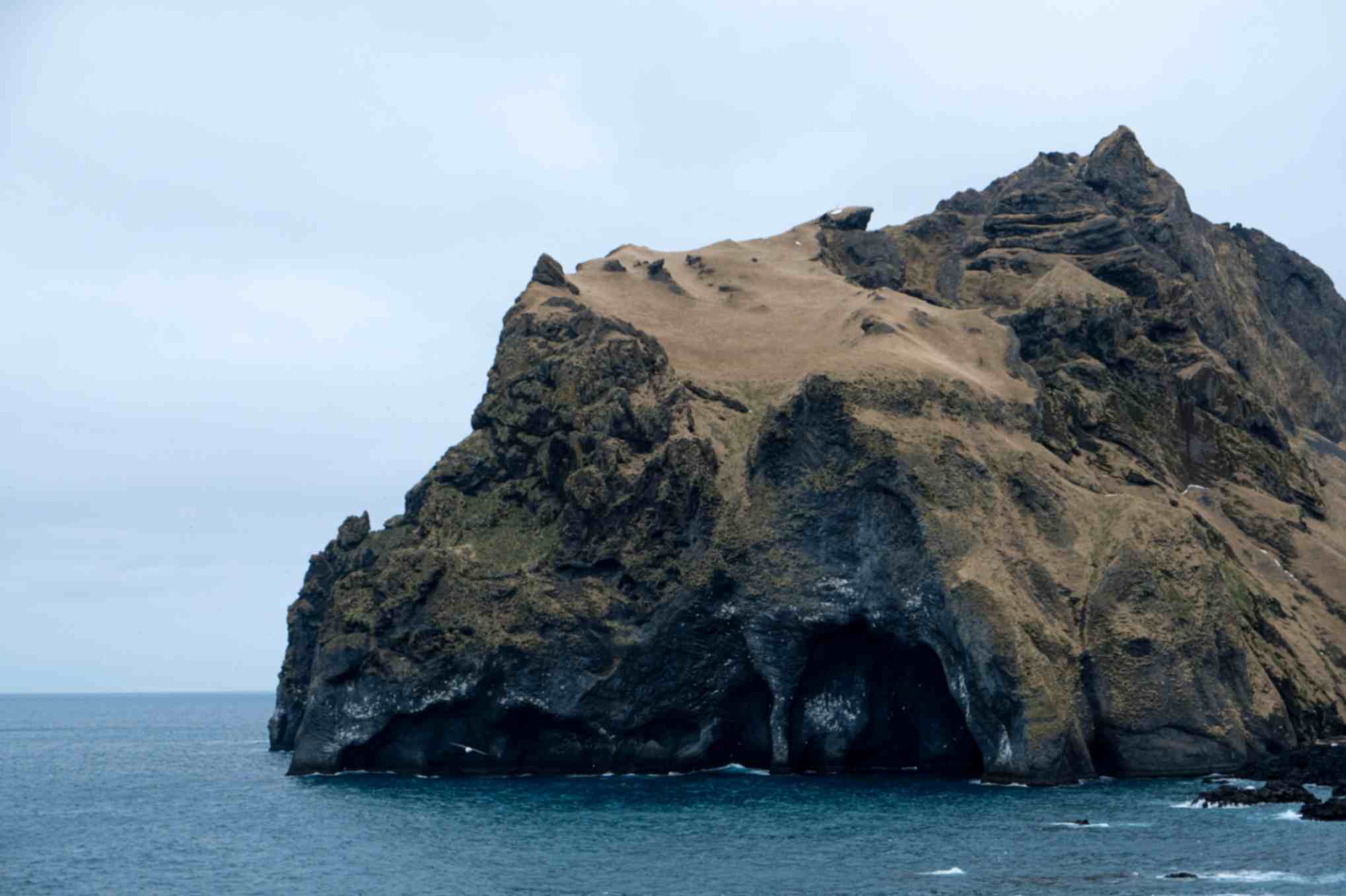
The Westman Islands puffin colony is widely considered the largest in the world, making Vestmannaeyjar one of the best places to see puffins in Iceland. Millions of Atlantic puffins nest on the steep cliffs surrounding the island of Heimaey during the summer breeding season.
Driving tip: Drive about 2 hours from Reykjavík to the ferry port at Landeyjahöfn, then take the 35-minute ferry to Heimaey. Many travelers visit Vestmannaeyjar after exploring the Golden Circle route.
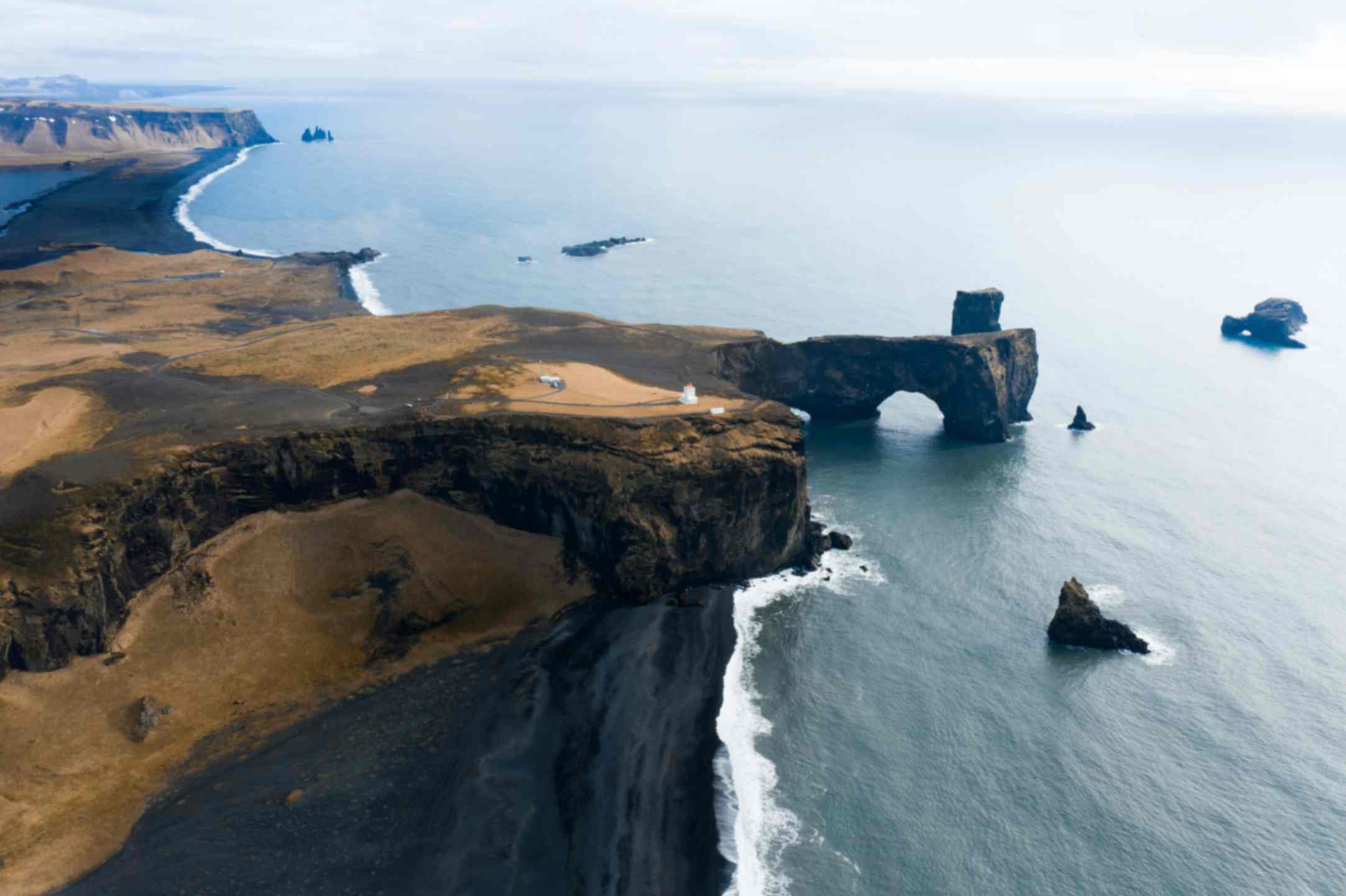
Travel time from Reykjavík: ~2.5 hours
Access: Paved road and parking area near the lighthouse
Cost: Free
Best months: May–July
Viewing difficulty: Very easy — short walk from parking
Nearby attractions: Reynisfjara black sand beach, Vík village
One of the easiest places to see Dyrhólaey puffins is along the cliffs of Dyrhólaey, a small peninsula on Iceland’s famous South Coast. Located just 10 minutes west of Vík, it’s a popular stop for travelers driving the Ring Road and one of the most accessible places to spot puffins on the South Coast of Iceland.
Dyrhólaey is also known for its dramatic coastal scenery, including the Dyrhólaey sea arch and panoramic views of the surrounding coastline.
Many travelers combine a puffin stop here with a visit to nearby Reynisfjara black sand beach, making it an easy and rewarding stop on a South Coast road trip.
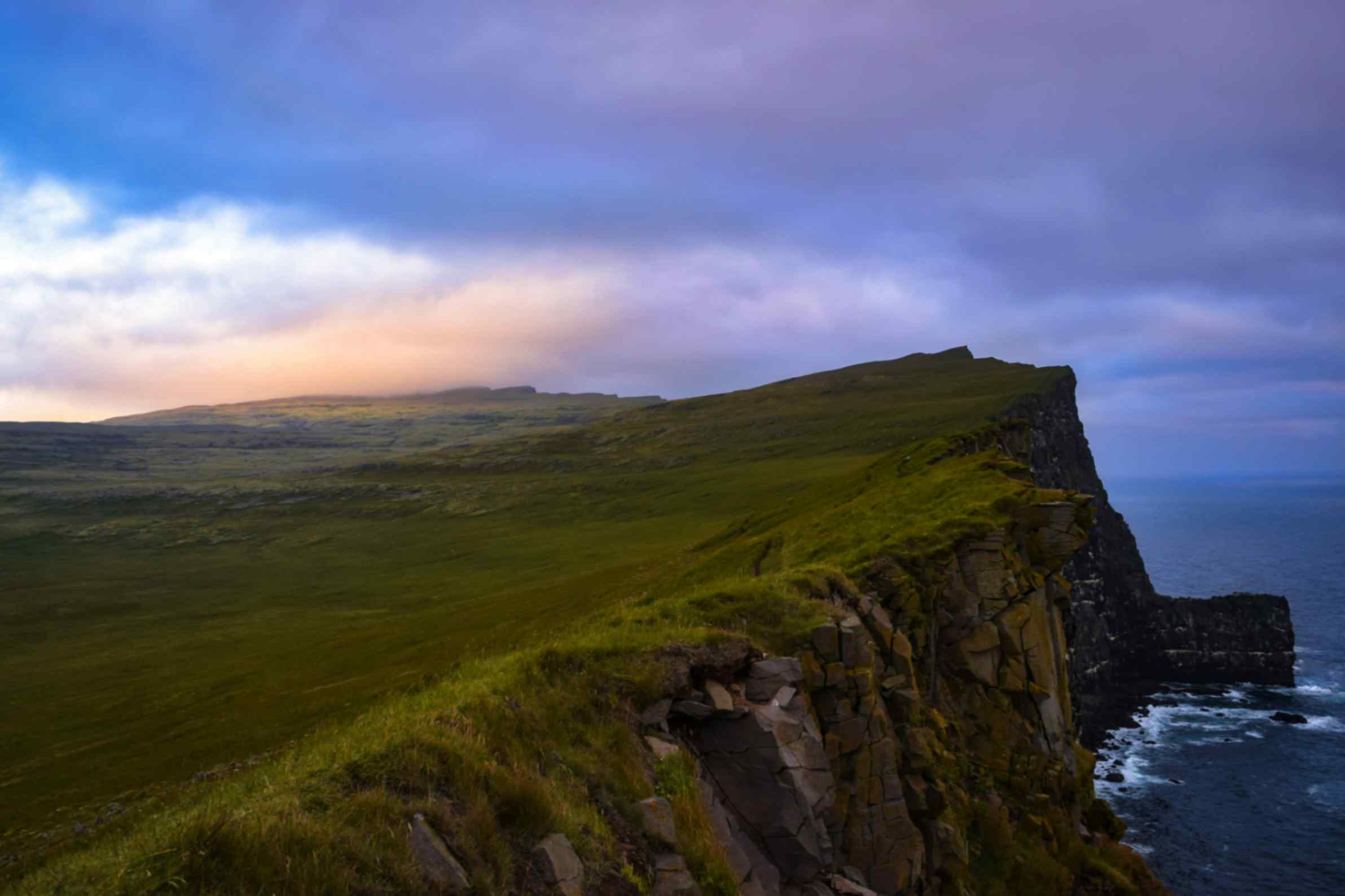
Travel time from Reykjavík: ~6–7 hours
Access: Gravel roads in the Westfjords
Cost: Free
Best months: June–July
Viewing difficulty: Moderate — cliff walking required
Special note: Europe’s largest bird cliff (14 km long)
The Látrabjarg cliffs in the Westfjords are one of the best places to see Látrabjarg puffins up close. Stretching about 14 kilometers (8.7 miles) along the western edge of the Westfjords, these dramatic cliffs are considered the largest bird cliff in Europe and host huge seabird colonies during the summer.
For most visitors, the highlight is the puffin colony. Westfjords puffins are known for being surprisingly approachable and can often be seen sitting near grassy cliff edges as they return from the sea carrying fish for their chicks. In many areas, visitors can observe puffins from a safe distance along the cliff tops.
The cliffs rise high above the North Atlantic and offer spectacular coastal views, especially in the evening when puffin activity increases.
Located in the remote Westfjords region, Látrabjarg is best reached by car as part of a Westfjords road trip, making it a memorable stop for travelers exploring Iceland’s wildest landscapes.
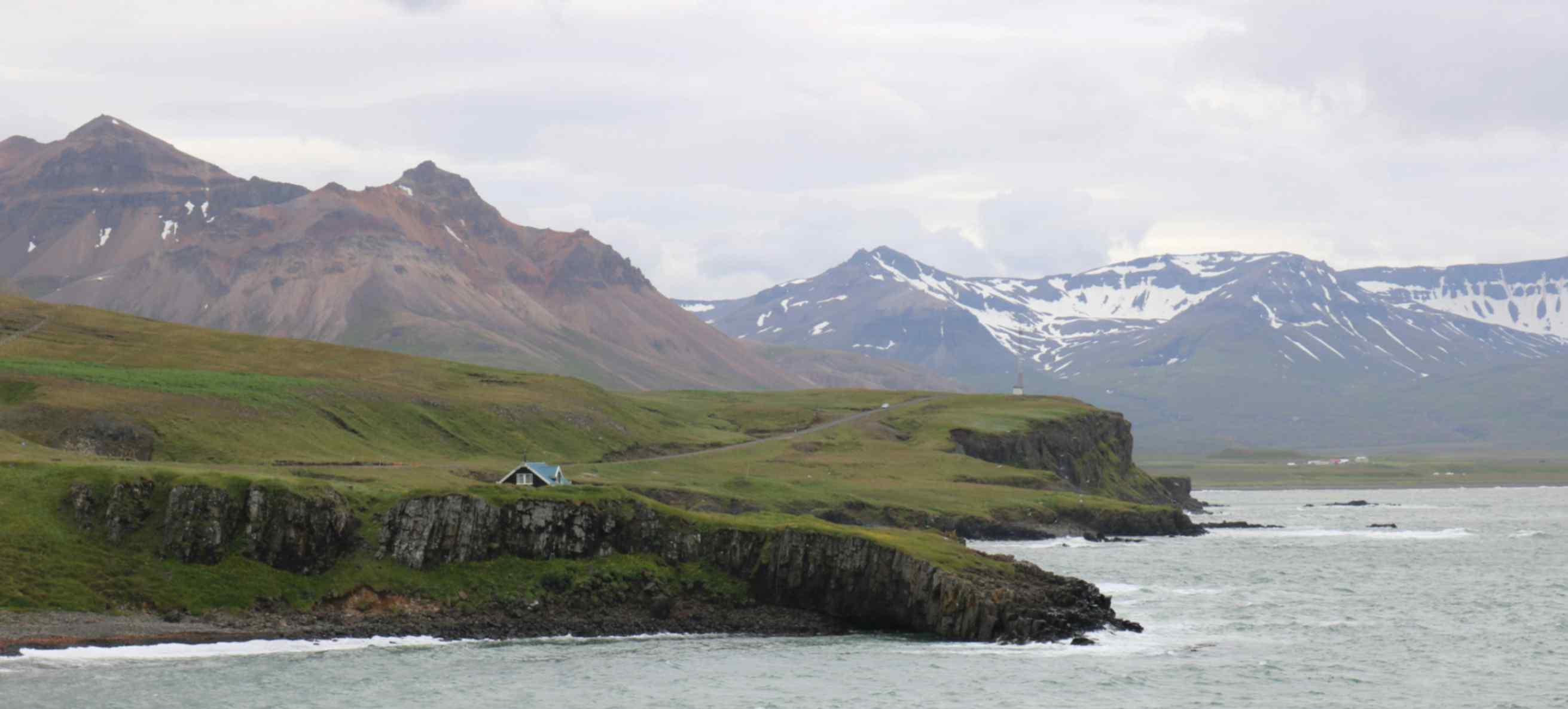
Travel time from Reykjavík: ~8 hours
Access: Mountain road from Route 1
Cost: Free
Best months: May–August
Viewing difficulty: Very easy — wooden viewing platforms
Best photography spot: Hafnarhólmi puffin colony
If you want to see puffins extremely close in a safe and accessible way, Borgarfjörður Eystri in East Iceland is one of the best places in the country. This small fjord is home to a famous puffin colony at Hafnarhólmi, where thousands of birds nest along the rocky shoreline every summer.
What makes Borgarfjörður Eystri puffins so special is the viewing setup. The area features wooden viewing platforms and boardwalks that allow visitors to watch puffins just a few meters away without disturbing their nesting burrows. From these platforms, you can often see puffins standing at the entrances of their burrows.
Because of this carefully designed viewing area, Borgarfjörður Eystri has become one of the best puffin photography locations in Iceland.
Although slightly off the Ring Road, the scenic mountain drive makes it a worthwhile stop for travelers exploring East Iceland.
Travel time from Reykjavík: ~3.5 hours
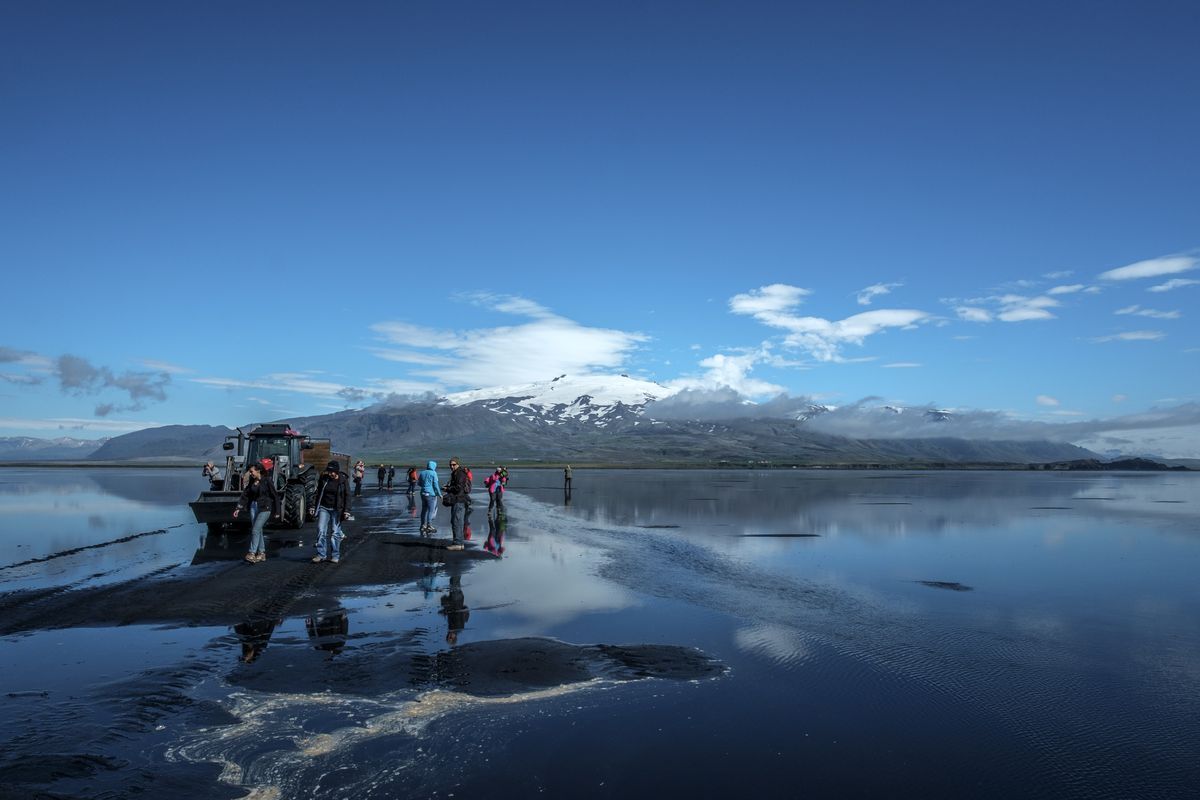
Access: Guided tractor tour only
Cost: Tour required (paid)
Best months: May–July
Viewing difficulty: Moderate — short guided walk
Special note: Large seabird colony including puffins and skuas
Located along Iceland’s South Coast between Vík and Höfn, Ingólfshöfði Cape is a spectacular but lesser-known place to see puffins. This isolated headland rises above vast black sand plains and is home to a large nesting colony of Atlantic puffins, along with other seabirds such as skuas, guillemots, and great black-backed gulls.
Unlike many other puffin locations in Iceland, Ingólfshöfði cannot be reached by regular car or hiking trails. Instead, visitors access the cape through a unique tractor-drawn hay wagon tour that crosses the wide black sand flats surrounding the reserve. The journey itself is part of the adventure, as the tractors are specially designed to handle the soft volcanic sands and tidal areas.
Once at the cape, a guided walk takes visitors across grassy slopes and cliff edges where puffins nest in burrows overlooking the Atlantic Ocean. During the summer breeding season, thousands of puffins can be seen flying in from the sea with fish, creating an unforgettable wildlife experience.
Because access is limited and guided, Ingólfshöfði often feels quieter and less crowded than some other puffin colonies on the South Coast, making it a fantastic stop for travelers looking for a unique puffin watching experience in Iceland.
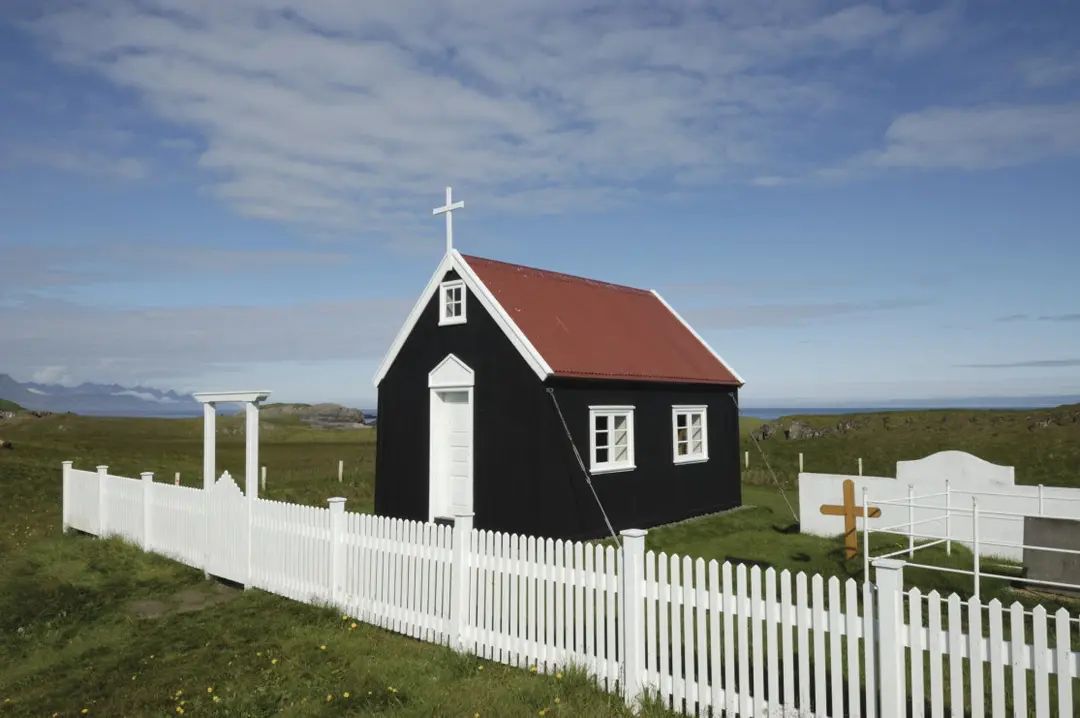
Image credit: Iceland Dream
Travel time from Reykjavík: ~7 hours to Djúpivogur
Access: Boat tour from Djúpivogur
Cost: Boat tour required
Best months: May–July
Viewing difficulty: Easy once on the island
Best for: Quiet puffin viewing away from crowds
Just off the coast of East Iceland, Papey Island is a small and remote island known for its seasonal puffin colonies. Accessible only by boat, Papey offers visitors a chance to experience puffins in Iceland in a quiet setting far from the busier tourist routes.
During the summer months, thousands of Atlantic puffins nest along the island’s grassy cliffs and rocky shoreline. These colonies make Papey one of the best puffin islands in East Iceland, where visitors can watch puffins flying between the ocean and their burrows carrying fish for their chicks.
Boat tours to Papey typically depart from Djúpivogur, a small town along the Ring Road. Once on the island, visitors can walk along the cliffs and observe puffins nesting nearby, making it a memorable wildlife stop when exploring Iceland’s eastern coastline.
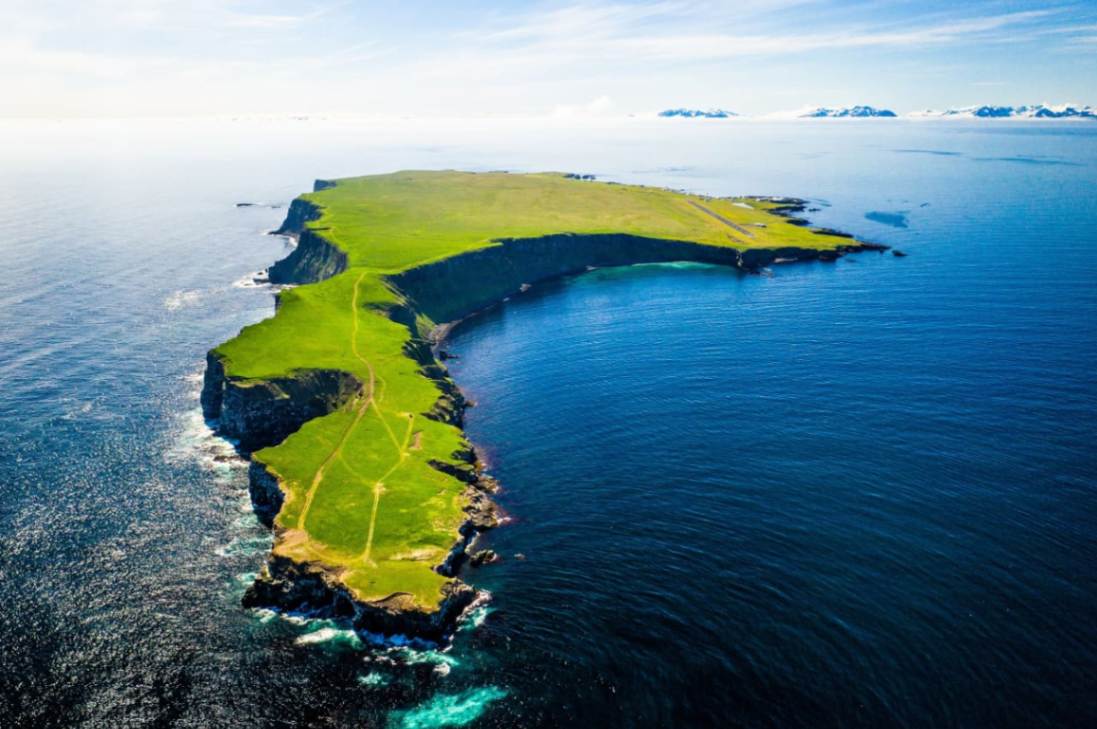
Image credit: northiceland
Quick Facts
Travel time from Reykjavík: ~5 hours drive to Dalvík + ferry
Access: Ferry from Dalvík or flight from Akureyri
Cost: Ferry or flight ticket required
Best months: May–July
Viewing difficulty: Easy — walking paths to cliffs
Unique feature: Located on the Arctic Circle
For travelers looking for a unique wildlife experience, Grímsey Island offers the rare opportunity to see puffins in Iceland while standing directly on the Arctic Circle. Located about 40 km (25 miles) north of Iceland’s mainland, this small island is known for its dramatic sea cliffs and large seabird colonies.
Every summer, thousands of Atlantic puffins nest along the island’s rugged cliffs, making it one of the northernmost places to observe puffins in their natural habitat. The birds share the cliffs with other seabirds, creating a lively birdwatching environment during the breeding season.
Grímsey is a remote adventure that can be reached by ferry from Dalvík in North Iceland or by a short domestic flight from Akureyri. Walking paths around the island lead to cliff viewpoints where visitors can observe puffins and enjoy views of the Arctic Ocean.
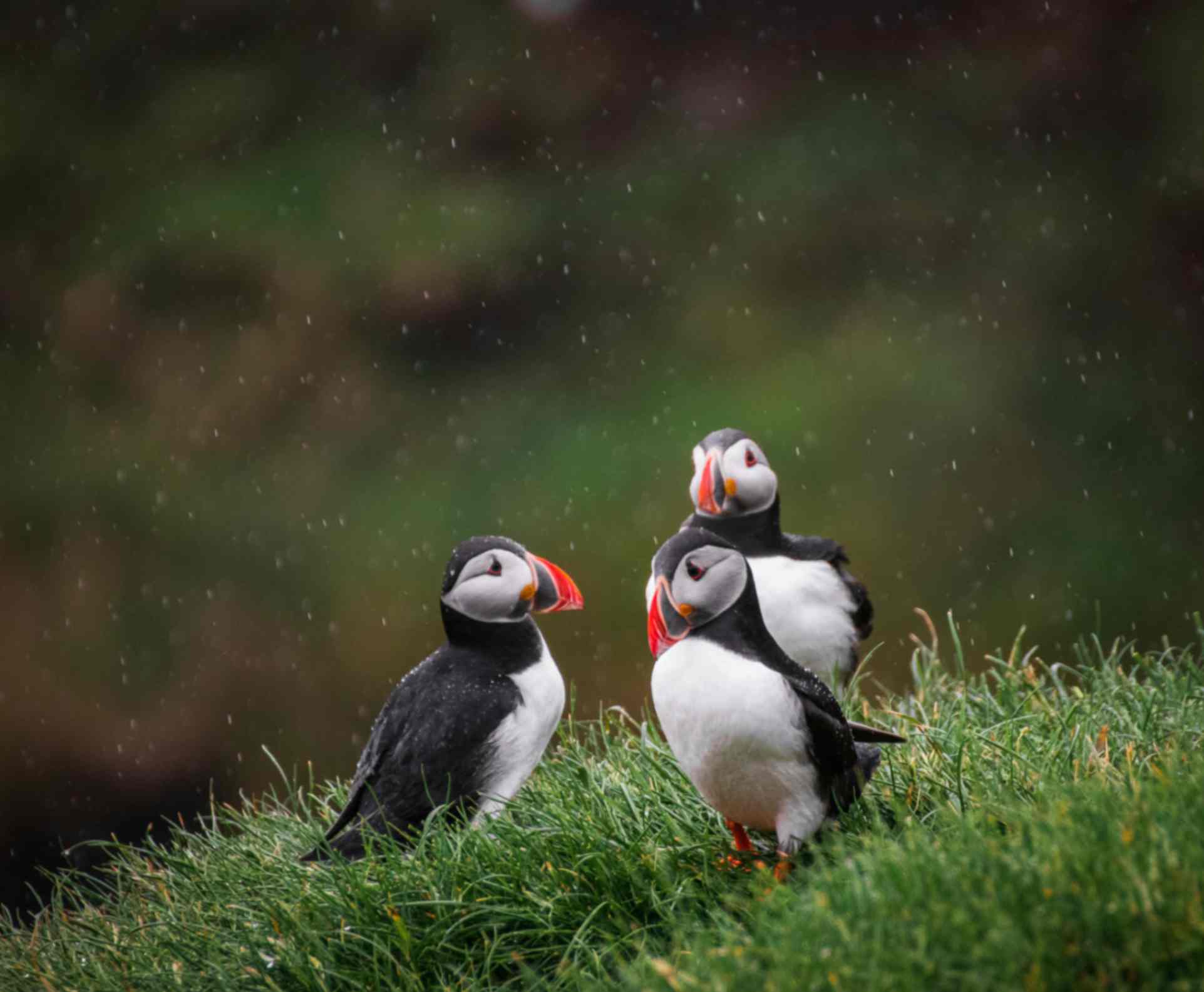
If you don’t have time to travel far from the capital, Reykjavík puffin tours are one of the easiest ways to see puffins in Iceland. Several boat operators run wildlife tours directly from Reykjavík’s Old Harbour, taking visitors to nearby puffin nesting islands just a few kilometers offshore.
Most puffin tours in Iceland departing from Reykjavík visit the small islands of Lundey (“Puffin Island”) and Akurey, both of which host large seasonal puffin colonies. During the summer months, thousands of Atlantic puffins nest along the grassy slopes and rocky shorelines of these islands.
Tours typically last about 1–2 hours, making them a convenient activity for travelers staying in Reykjavík. While visitors cannot land on the islands to protect the birds, boats bring you close enough for excellent views of the puffin colonies.
Seeing puffins in Iceland is an unforgettable wildlife experience, but it’s important to watch these birds responsibly. Puffins nest in fragile coastal areas, often along steep cliffs and grassy slopes. Following a few simple guidelines helps protect the birds while improving your chances of getting a great view.
Although puffins can sometimes be seen surprisingly close, binoculars can greatly improve your experience. Many colonies sit along cliff faces or rocky outcrops where the birds rest slightly beyond comfortable viewing distance. A small pair of binoculars allows you to watch puffins flying in from the ocean or carrying fish back to their nests.
Puffins nest in burrows along grassy coastal cliffs, and these nesting areas can be fragile. When visiting puffin colonies, always stay on marked paths, viewing platforms, or designated viewing areas to avoid disturbing the birds.
Many puffin colonies sit along steep sea cliffs, so always keep a safe distance from the edge and stay aware of windy conditions. Before visiting coastal cliffs, it’s also a good idea to check the latest weather conditions on the Icelandic Meteorological Office.
Evening is often one of the best times to watch puffins. Many birds spend the day fishing at sea and return later to feed their chicks, making late afternoon and evening especially active times at puffin colonies.
Yes — puffin watching in Iceland can easily be included in a Ring Road road trip. Many of the country’s best puffin colonies are located near Route 1 (the Ring Road) or just a short detour away, making them easy stops along your itinerary.
Along the South Coast, one of the easiest places to see puffins is Dyrhólaey, located just outside the village of Vík. During the summer months, puffins nest along the grassy cliff edges near the lighthouse, and visitors can often see them from the viewing areas. Another excellent stop is Ingólfshöfði Cape, where guided tours take visitors across the black sand plains to a large seabird colony.
In East Iceland, travelers can detour to Borgarfjörður Eystri, one of the most accessible puffin colonies in the country. Wooden viewing platforms allow visitors to observe thousands of puffins nesting just a few meters away.
With a flexible itinerary and a rental car, it’s easy to include several puffin watching locations in Iceland.
Pro tip: Road conditions in Iceland can change quickly, especially in remote coastal areas. Always check the latest conditions on the official Icelandic road information website before starting your trip
Many of the best places to see puffins in Iceland are located along remote coastlines, scenic cliffs, and small fishing villages that are easiest to reach by car. While some puffin colonies can be visited on boat tours, renting a car gives you the freedom to reach Iceland’s most remote puffin cliffs and explore at your own pace.
For most travelers, a standard 2WD rental car is perfectly suitable for visiting popular puffin locations along the South Coast and the Ring Road. Destinations such as Dyrhólaey near Vík or the ferry port at Landeyjahöfn (for the Westman Islands) are accessible via well-maintained paved roads and fit easily into a typical Iceland road trip.
If you plan to explore more remote areas such as the Westfjords, a 4x4 vehicle can be helpful. Some roads leading to bird cliffs—such as the route to Látrabjarg—are gravel roads where extra clearance makes the drive more comfortable.
With a rental car, you can combine puffin watching with waterfalls, black sand beaches, and volcanic landscapes along the way, turning your search for puffins into one of the highlights of your Iceland adventure.

Puffins are commonly seen along Iceland’s coastal cliffs during the summer breeding season. The largest colonies are found in the Westman Islands (Vestmannaeyjar). Other popular puffin locations include Dyrhólaey on the South Coast, Látrabjarg cliffs in the Westfjords, and Borgarfjörður Eystri in East Iceland, where viewing platforms allow visitors to see puffins up close.
The best time to see puffins in Iceland is June and July, when colonies are most active. Puffins typically arrive in late April and remain through the breeding season before leaving in early August.
Yes. Visitors can join puffin watching tours from Reykjavík’s Old Harbour, which travel to nearby islands such as Lundey and Akurey. These islands host seasonal puffin colonies and can usually be reached within 1–2 hours by boat.
Yes, puffins are relatively easy to see in Iceland during the summer months. The country hosts around 60% of the world’s Atlantic puffin population, and in some places—such as Borgarfjörður Eystri—puffins can be seen just a few meters from viewing platforms.
No. Puffins only come to land during the puffin season in Iceland, which typically runs from late April to early August. The rest of the year they live at sea in the North Atlantic and return to Iceland only to breed and raise their chicks.


