Things to Do in Reykjavik: The Ultimate Guide

08.04.2026 (Updated: 27.04.2026, 13:28)
27.04.2026


Reykjavik, the vibrant capital of Iceland, offers visitors an unforgettable blend of natural wonders, rich culture, and modern attractions. If you’re searching for the best things to do in Reykjavik, you’ll find everything from relaxing in geothermal pools and witnessing the magical Northern Lights to exploring world-class museums, colorful street art, trendy food halls, and lively nightlife. Reykjavik is a city that appeals to every type of traveler.
Whether you're visiting for the first time, traveling with family, exploring solo, or returning to discover more, this comprehensive guide provides expert tips, highlights must-see sights, uncovers unique local experiences, and suggests memorable day trips, ensuring you make the most of your time in Iceland’s captivating capital.
The ideal time to visit Iceland depends on your travel goals. For endless daylight and the unique experience of the Midnight Sun, visit between late May and early August, when you can explore Iceland’s stunning landscapes late into the evening.
If witnessing the magical Northern Lights is on your bucket list, plan your trip from September to April, when the long, dark nights provide the best chances to see the auroras.
Throughout the year, Iceland offers vibrant cultural events such as Culture Night, Reykjavik Arts Festival, and Iceland Airwaves, giving travelers a true taste of local music, art, and traditions.
Consider visiting during the shoulder seasons (spring and autumn) for fewer crowds and more affordable flights, hotels and rental cars, while still enjoying many of Iceland’s top attractions. No matter when you visit, Iceland promises unforgettable adventures and breathtaking scenery.
Reykjavik is a highly walkable city, with most major attractions located in the city center and easily accessible on foot. For traveling further out or from the airport, visitors can use efficient public transport, the convenient Flybus service, taxis, or rent a car for greater flexibility.
Pack clothing that can handle Iceland’s unpredictable weather—think layers, a waterproof jacket, and sturdy shoes for exploring. Don’t forget swimwear for the city’s famous pools and smart-casual outfits if you plan to experience Reykjavik’s vibrant nightlife.
Reykjavik operates mostly cashless, with credit and debit cards accepted almost everywhere. The local currency is the Icelandic Krona (ISK), ATMs are widely available, and tipping is not expected but always appreciated for excellent service.
Reykjavik’s skyline is shaped by a striking blend of modern innovation and rich history. The city’s most iconic landmarks are not only visually impressive but also steeped in meaning, making them essential stops for any visitor interested in architecture and local culture. Here’s how to experience the best of Reykjavik’s architectural highlights:
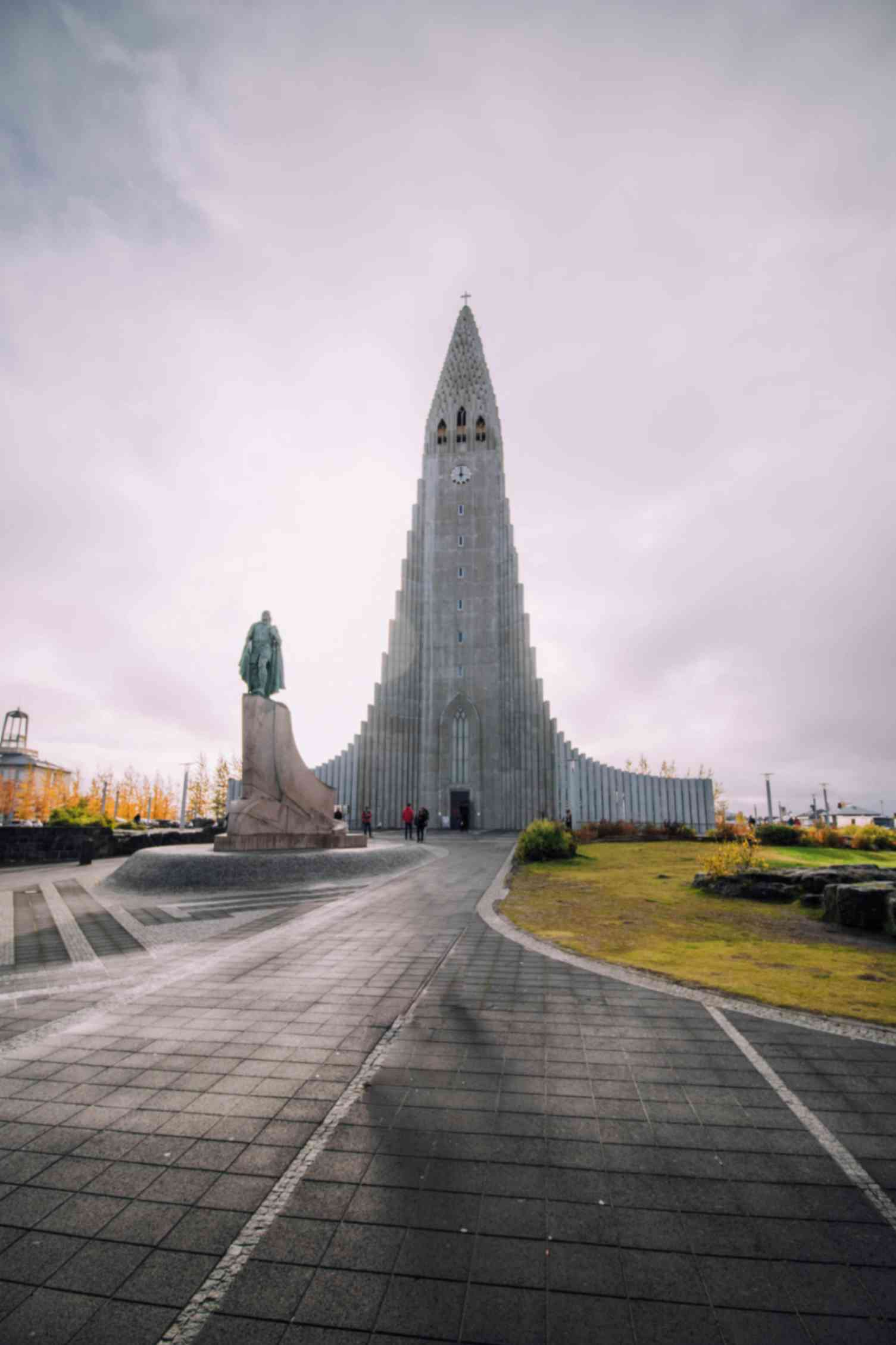
Towering above the city center, Hallgrímskirkja is Reykjavik’s most recognizable landmark. Its dramatic, sweeping columns were inspired by the natural basalt formations found in Icelandic lava fields, particularly echoing the shapes of Svartifoss waterfall. Designed by architect Guðjón Samúelsson and completed in 1986, the church’s unique silhouette is visible from almost anywhere in the city.
Visitor Tips:
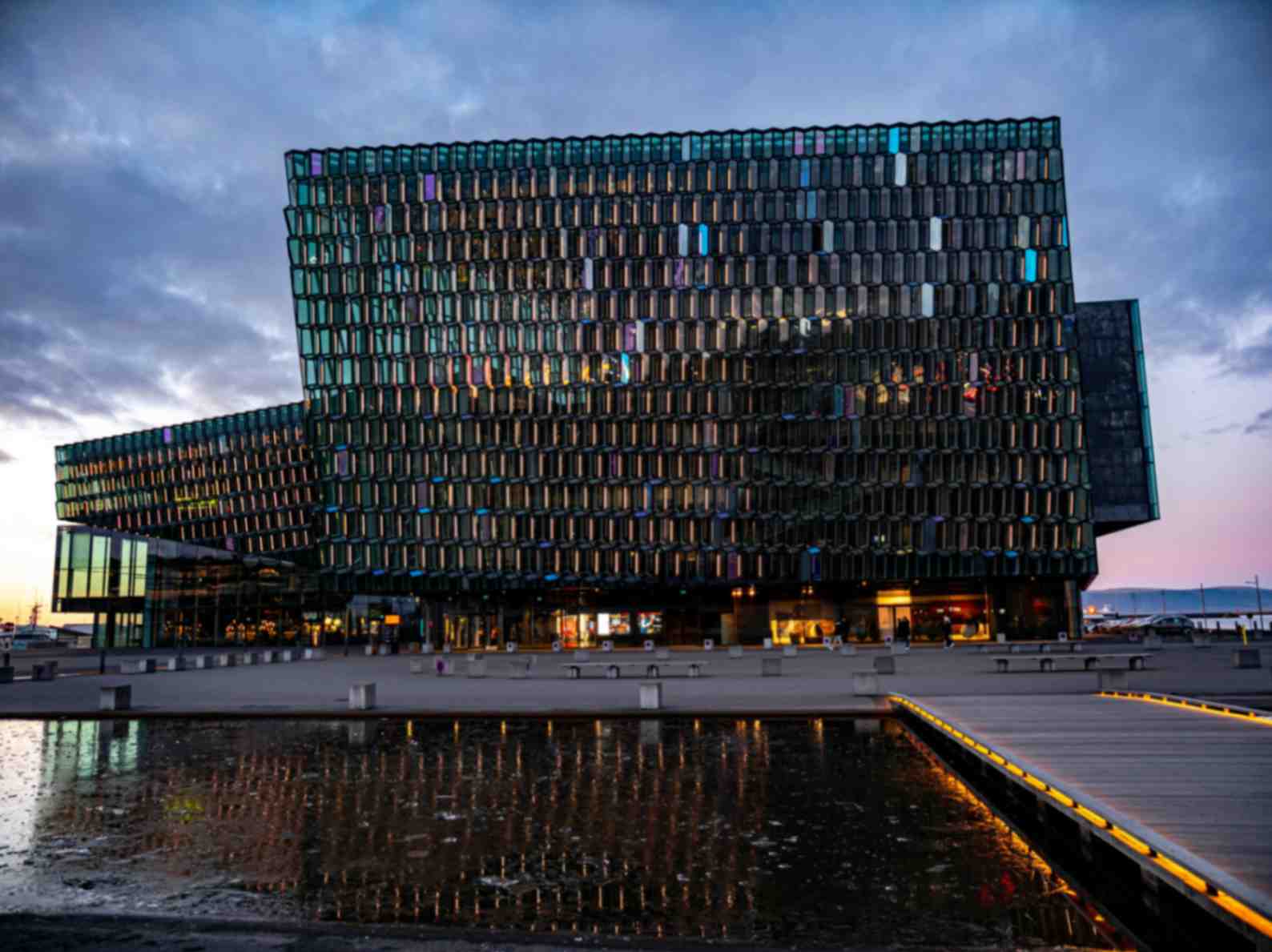
Set on the edge of the harbor, Harpa Concert Hall is a modern masterpiece of glass and steel. Its geometric, honeycomb-like façade was designed by renowned artist Olafur Eliasson and reflects both the city lights and the surrounding sea. Opened in 2011, Harpa is home to the Iceland Symphony Orchestra and the Icelandic Opera, and has won awards for its striking contemporary architecture.
Visitor Tips:
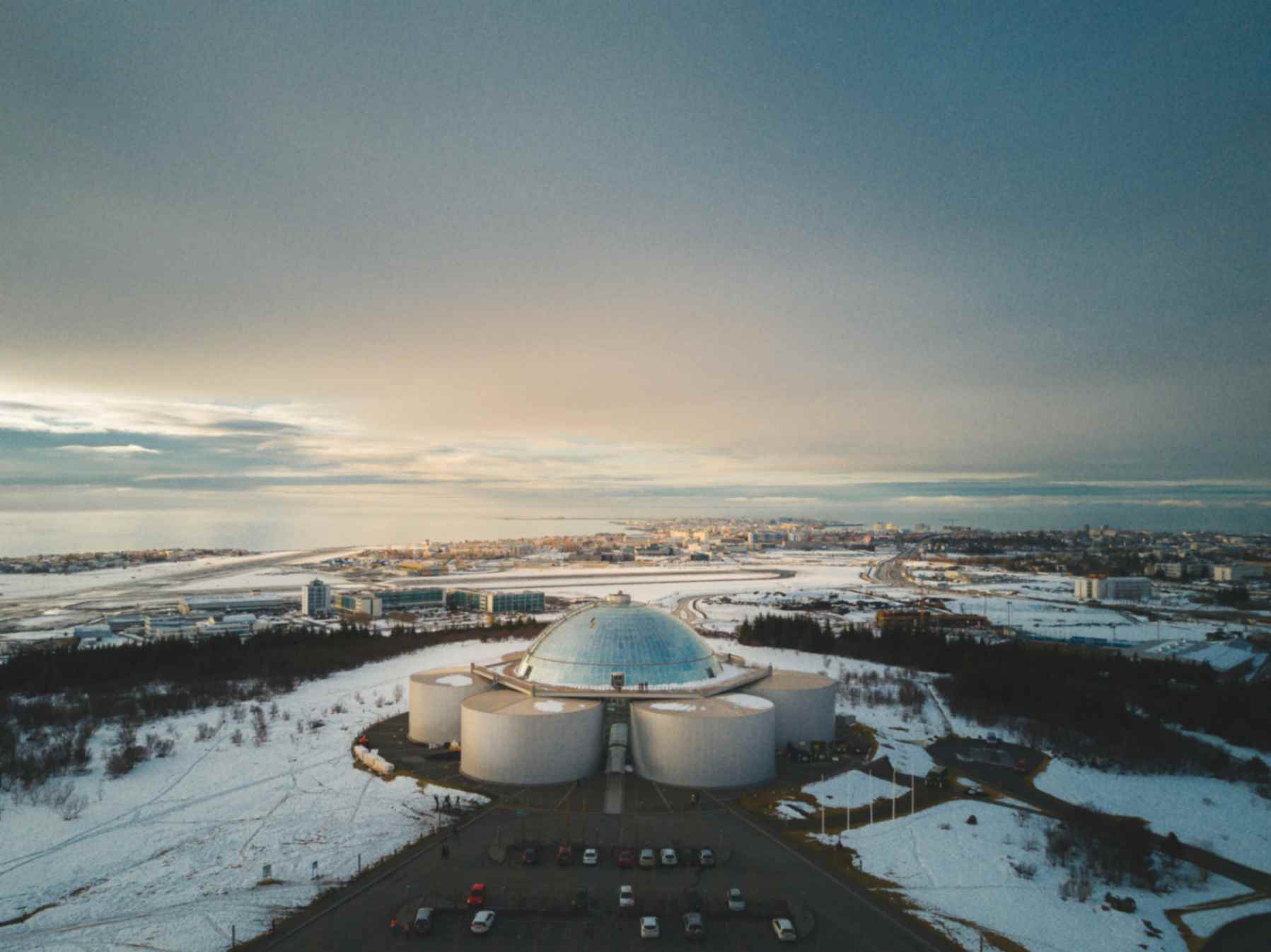
Perched atop Öskjuhlíð Hill, Perlan is one of Reykjavik’s most distinctive structures. Originally built as a cluster of hot water storage tanks, Perlan is now crowned by a gleaming glass dome. Inside, you’ll find immersive exhibitions about Iceland’s natural wonders and a 360° observation deck offering some of the best panoramic views of the city and beyond.
Visitor Tips:
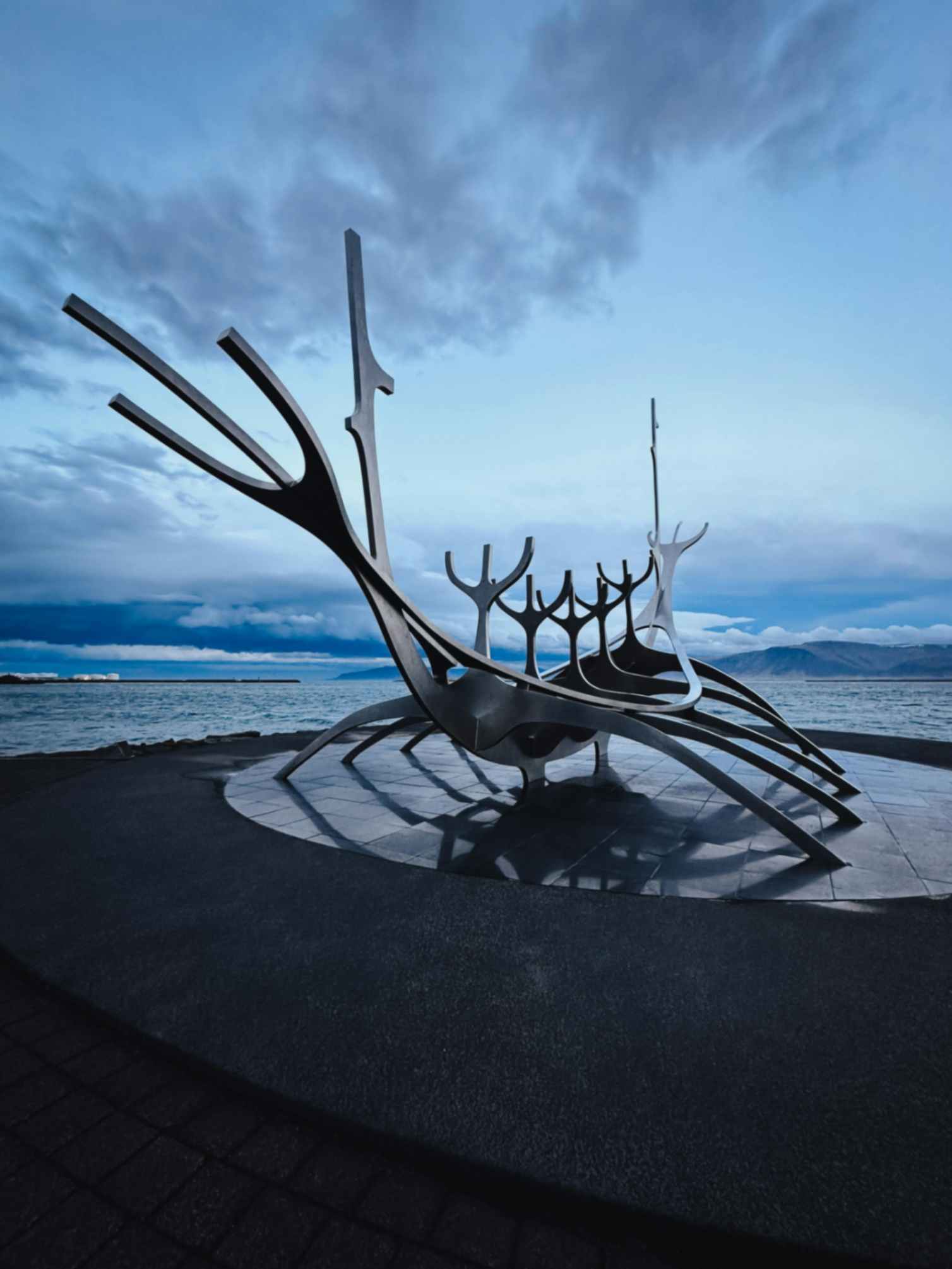
Located along the scenic waterfront, the Sun Voyager is a gleaming steel sculpture by Jón Gunnar Árnason. Shaped like a Viking longship, it was created to celebrate Reykjavik’s 200th anniversary and symbolizes dreams of hope, progress, and freedom. The artwork invites interpretation—some see it as a vessel of discovery, others as a tribute to Iceland’s seafaring heritage.
Visitor Tips:
These landmarks not only define Reykjavik’s skyline but also offer a window into the city’s creative spirit and evolving identity. Whether you’re an architecture enthusiast, a history buff, or simply a curious traveler, exploring these sites will deepen your appreciation of Reykjavik’s unique character.
Reykjavik isn’t just about striking architecture and lively city life—it’s also a gateway to some of Iceland’s most accessible natural wonders. Whether you want peaceful strolls, invigorating hikes, or a taste of island adventure, the city offers plenty of outdoor attractions right on its doorstep.
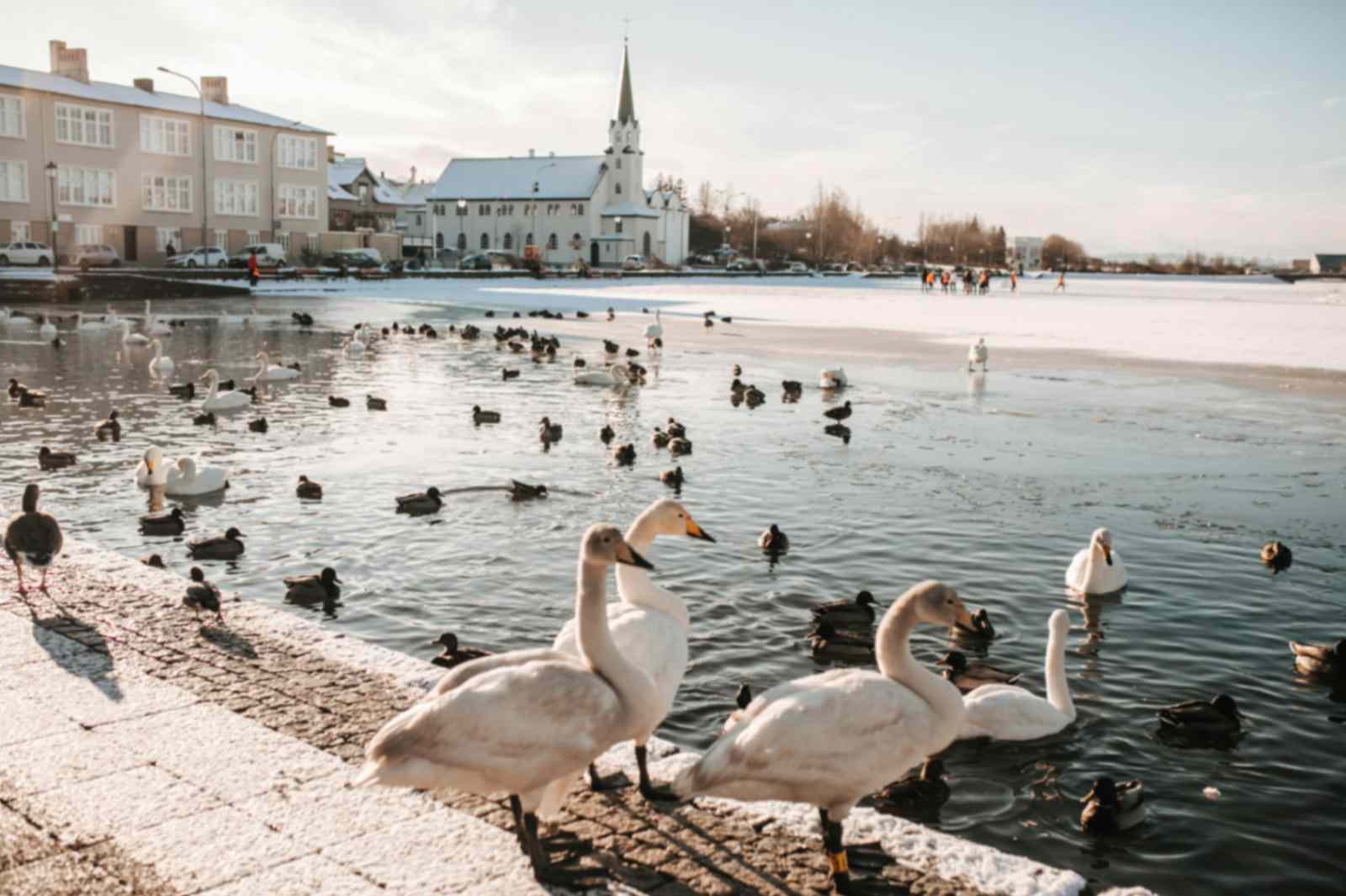
Right in the city center, Tjörnin Lake—often called “The Pond”—is a tranquil escape for locals and visitors. In summer, its shores come alive with dozens of bird species, including swans, geese, and Arctic terns. Feed the birds (seeds are best), enjoy a leisurely walk along its scenic paths, or simply relax on a bench and take in the colorful houses reflected in the water. In winter, Tjörnin transforms into a natural ice rink, with locals skating or playing ice hockey when the conditions are right.
Local Tip: The northern shore is home to Reykjavik City Hall and an impressive 3D map of Iceland, while the southern end borders the peaceful Hljómskálagarður Park.
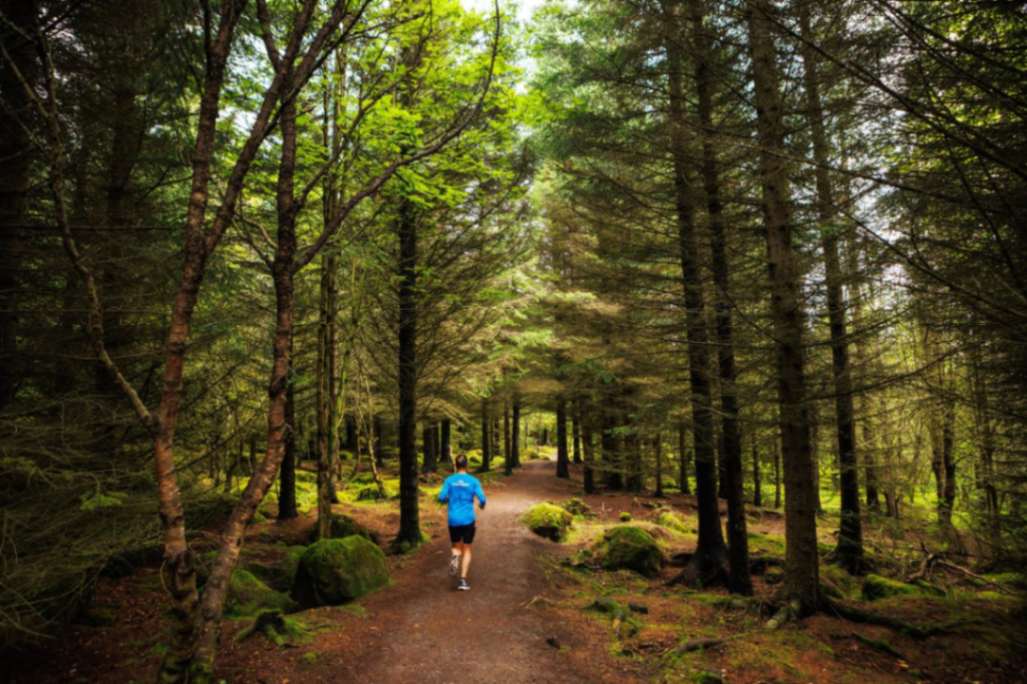
Image credit: utumallt.
Just a short walk from downtown, Öskjuhlíð Hill is a green oasis covered in birch, spruce, and pine trees. Well-marked hiking and biking trails wind through the area, making it ideal for a midday escape or a family outing. The hill is also dotted with remnants of World War II bunkers, adding a layer of history to your walk. At the summit, you’ll find Perlan, with its panoramic observation deck and interactive natural history exhibits.
Accessibility: Trails are suitable for casual walkers and cyclists. Bring sturdy shoes and a light jacket—weather can change quickly.
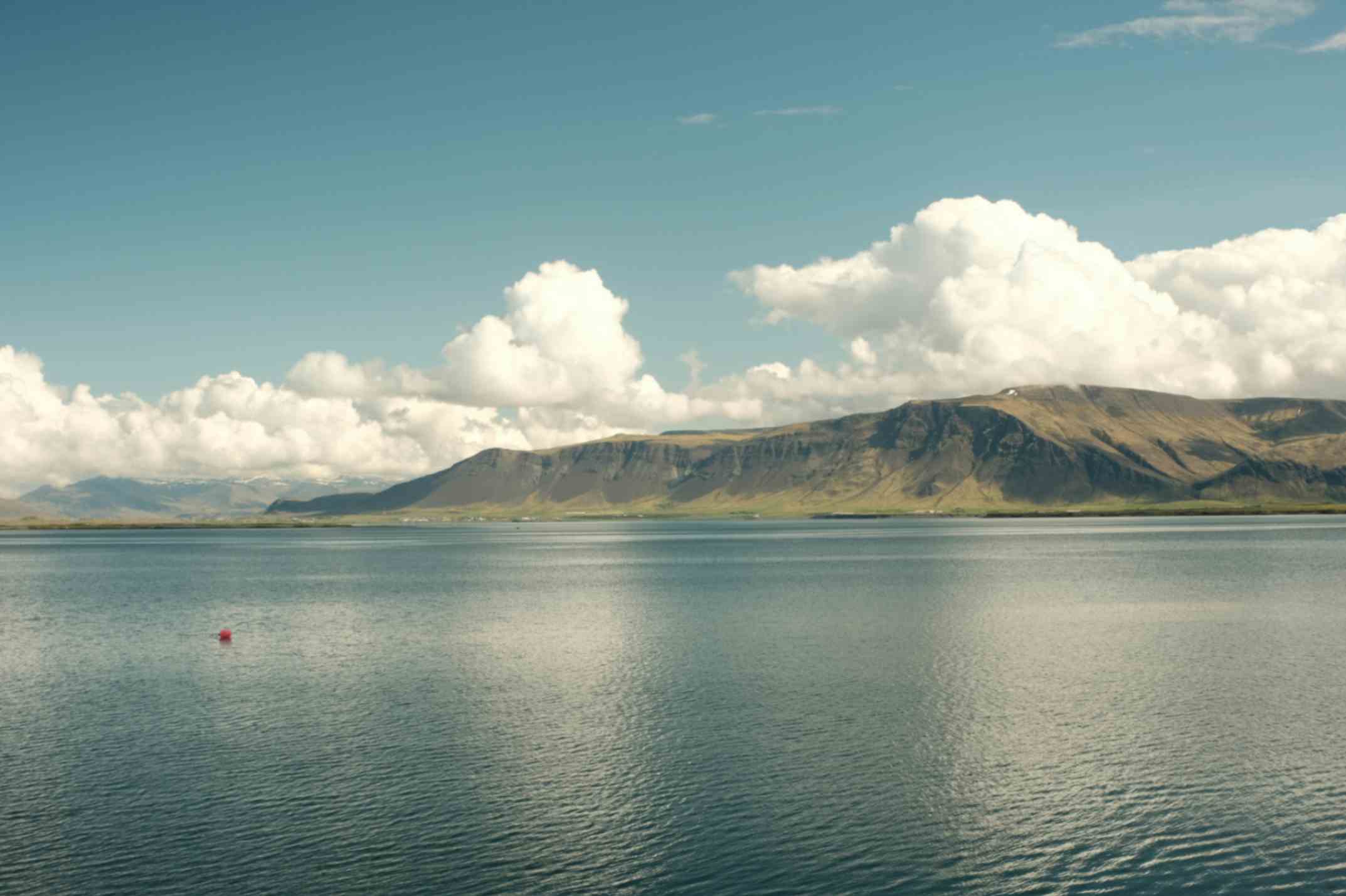
For those seeking a more challenging outdoor experience, Mount Esja rises just 10 kilometers from the city. Popular with locals, this striking mountain offers several hiking trails of varying difficulty. The most common route starts at the Esjustofa parking area and takes about 1–2 hours to reach the Steinn (Rock) viewpoint, with sweeping vistas over Reykjavik and Faxaflói Bay. More experienced hikers can continue to the summit for even more dramatic views.
Getting There: Reach Mount Esja by car or public bus from central Reykjavik. Wear proper hiking gear and check weather conditions before setting out.
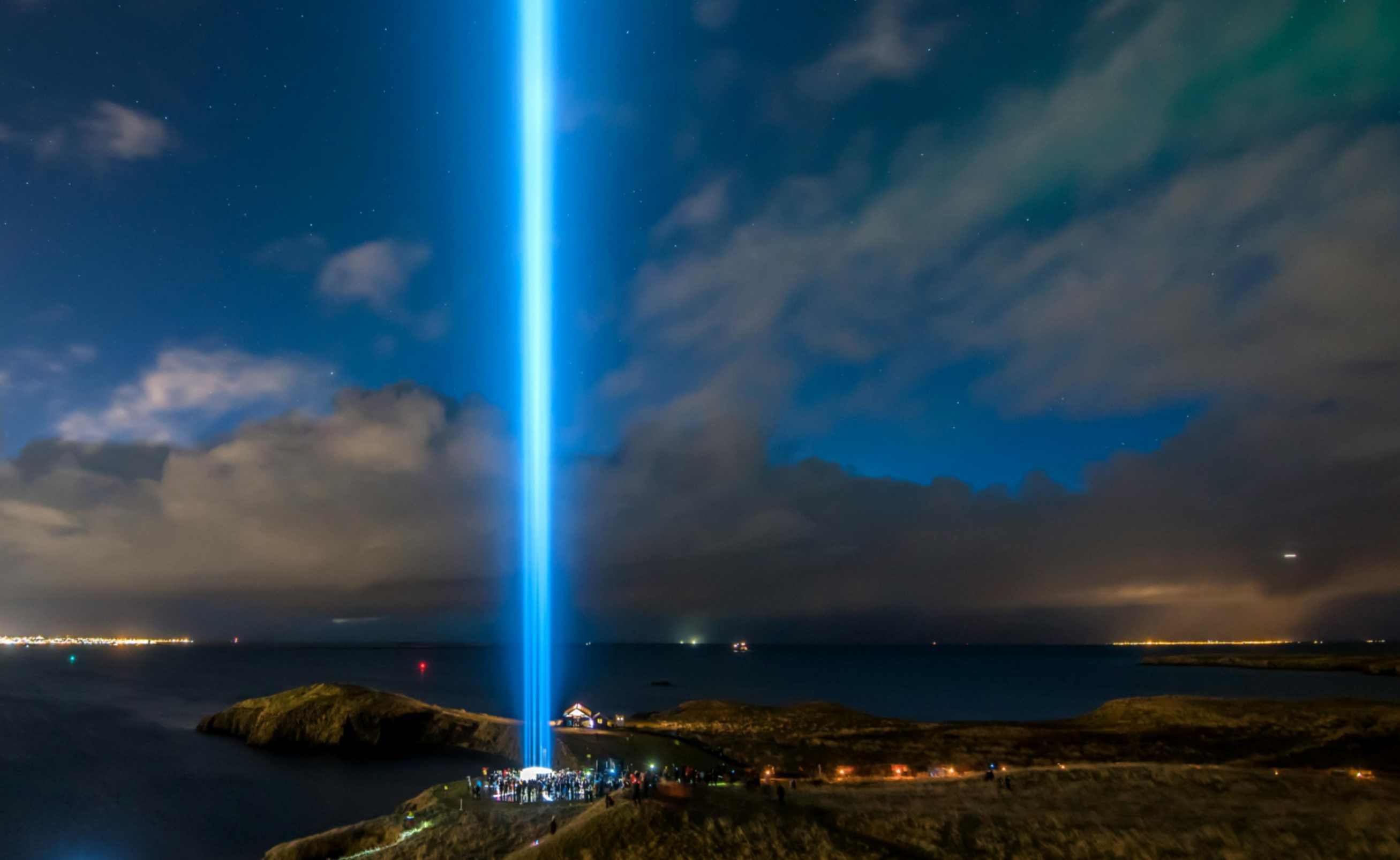
A short ferry ride from Reykjavik’s Old Harbour takes you to Viðey Island, an unspoiled haven for walkers, cyclists, and birdwatchers. The island is crisscrossed with easy walking and biking trails, passing grassy meadows, basalt beaches, and historic sites like one of Iceland’s oldest churches. Keep an eye out for puffins and other seabirds in spring and summer.
Don’t miss the Imagine Peace Tower, a striking light installation by Yoko Ono, as well as the “Milestones” sculptures celebrating Iceland’s geology.
Practical Info: Ferries run regularly from the harbor (more frequently in summer). Bring snacks and water, as facilities are limited.
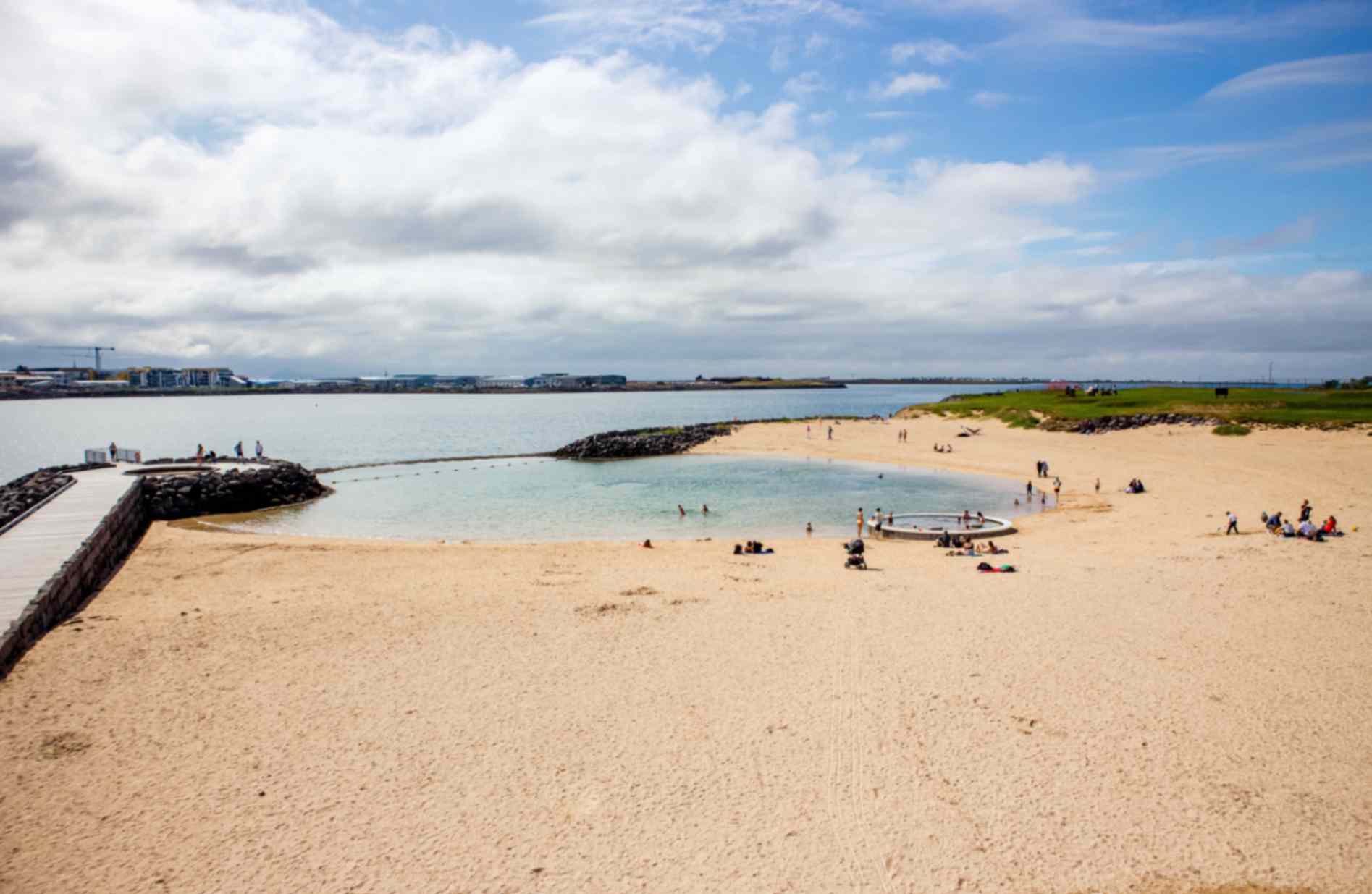
Experience Iceland’s unique take on a beach day at Nauthólsvík Geothermal Beach. Here, golden sand meets the chilly North Atlantic, but a manmade lagoon is warmed with geothermal water for year-round swimming. Soak in the hot pools, join locals for a bracing dip, or simply lounge on the sand in the summer sun. Facilities include changing rooms, showers, and a small café.
Seasonal Note: The beach is free to visit in summer (mid-May to mid-August); a small fee applies outside these dates.
Whether you’re looking to reconnect with nature, stretch your legs, or simply soak in Reykjavik’s scenic beauty, these outdoor activities offer something for every traveler—without ever leaving the city limits.
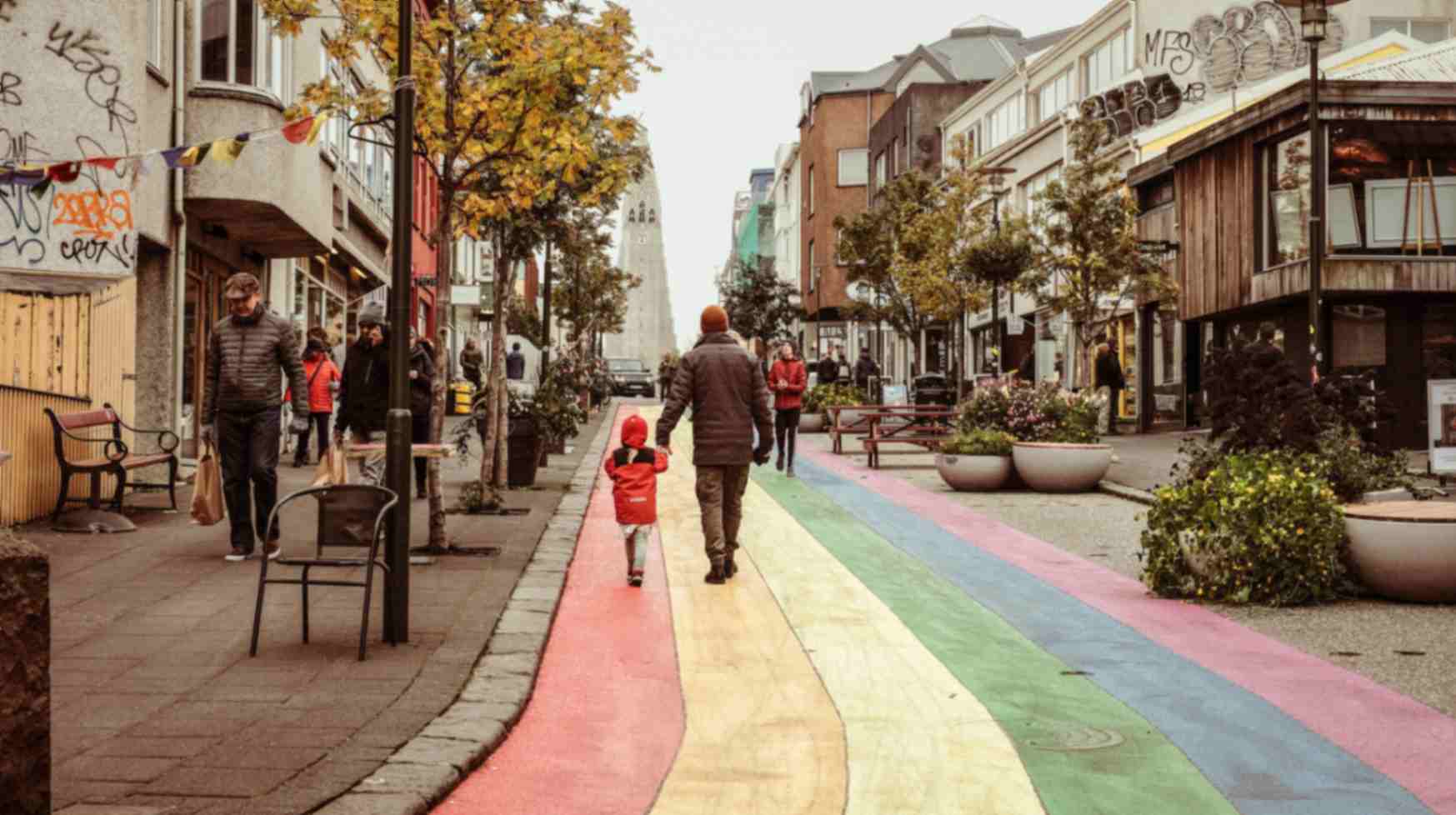
Discover the vibrant heart of Reykjavik by strolling along Laugavegur and Rainbow Street, where you'll find unique shopping experiences, cozy cafes, colorful street art, and a variety of local boutiques perfect for picking up souvenirs.
Don’t miss the Old Harbour area, renowned for its exciting whale watching tours, top-rated seafood restaurants serving fresh catches, and tranquil waterfront walks that showcase the city’s charm. These highlights make downtown Reykjavik a must-visit destination for travelers seeking culture, cuisine, and adventure.
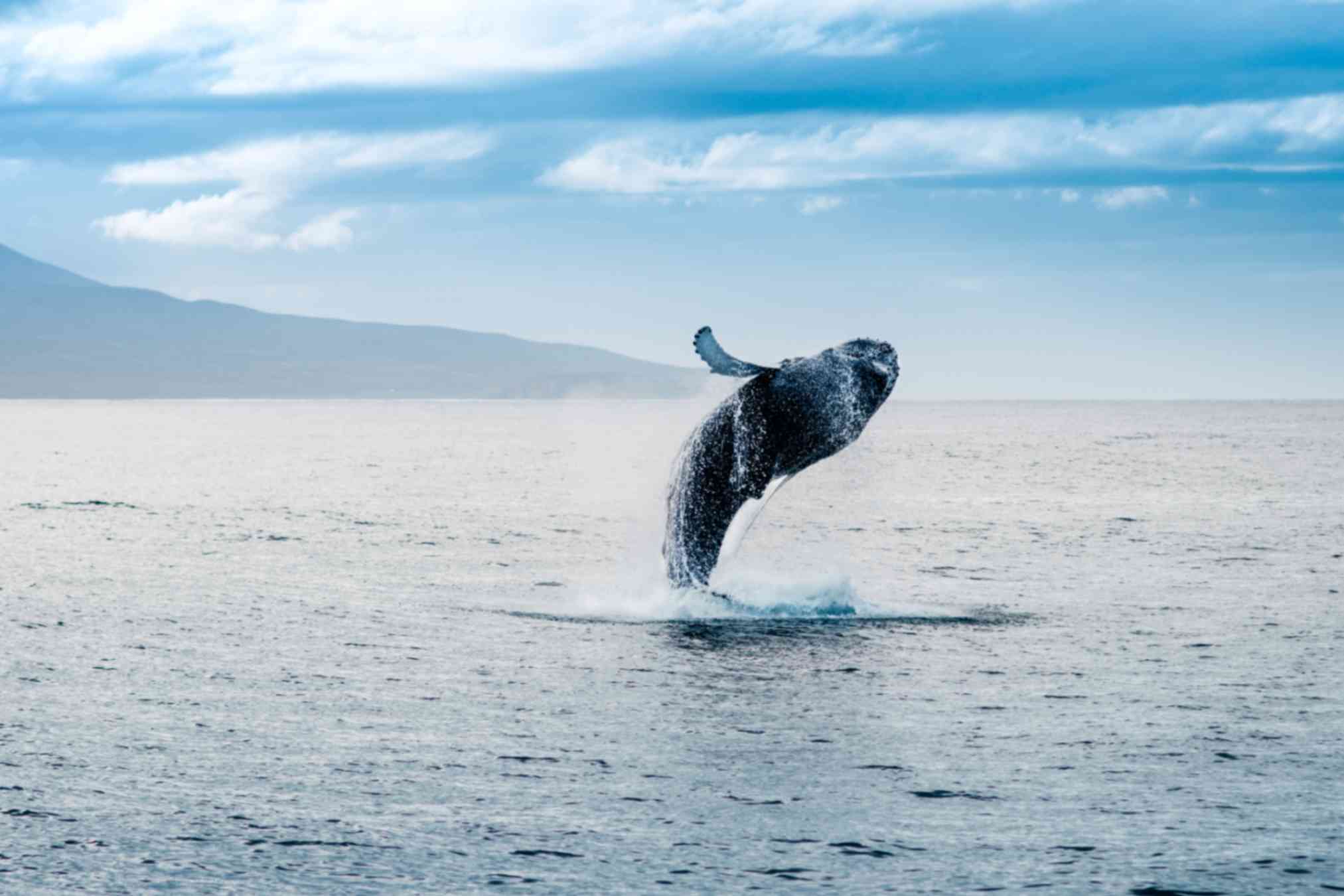
Discover the thrill of seeing some of the world’s largest marine mammals just off Reykjavik’s coast. Whale watching tours depart year-round from the Old Harbour, offering the chance to spot minke whales, humpback whales, white-beaked dolphins, and porpoises—sometimes even orcas or blue whales in summer.
Tours typically last 2–3 hours, with both large boats and smaller, faster RIB options available. While sightings are never guaranteed, most operators offer a free return trip if no whales are seen. Dress warmly and bring your camera for this unforgettable wildlife experience.
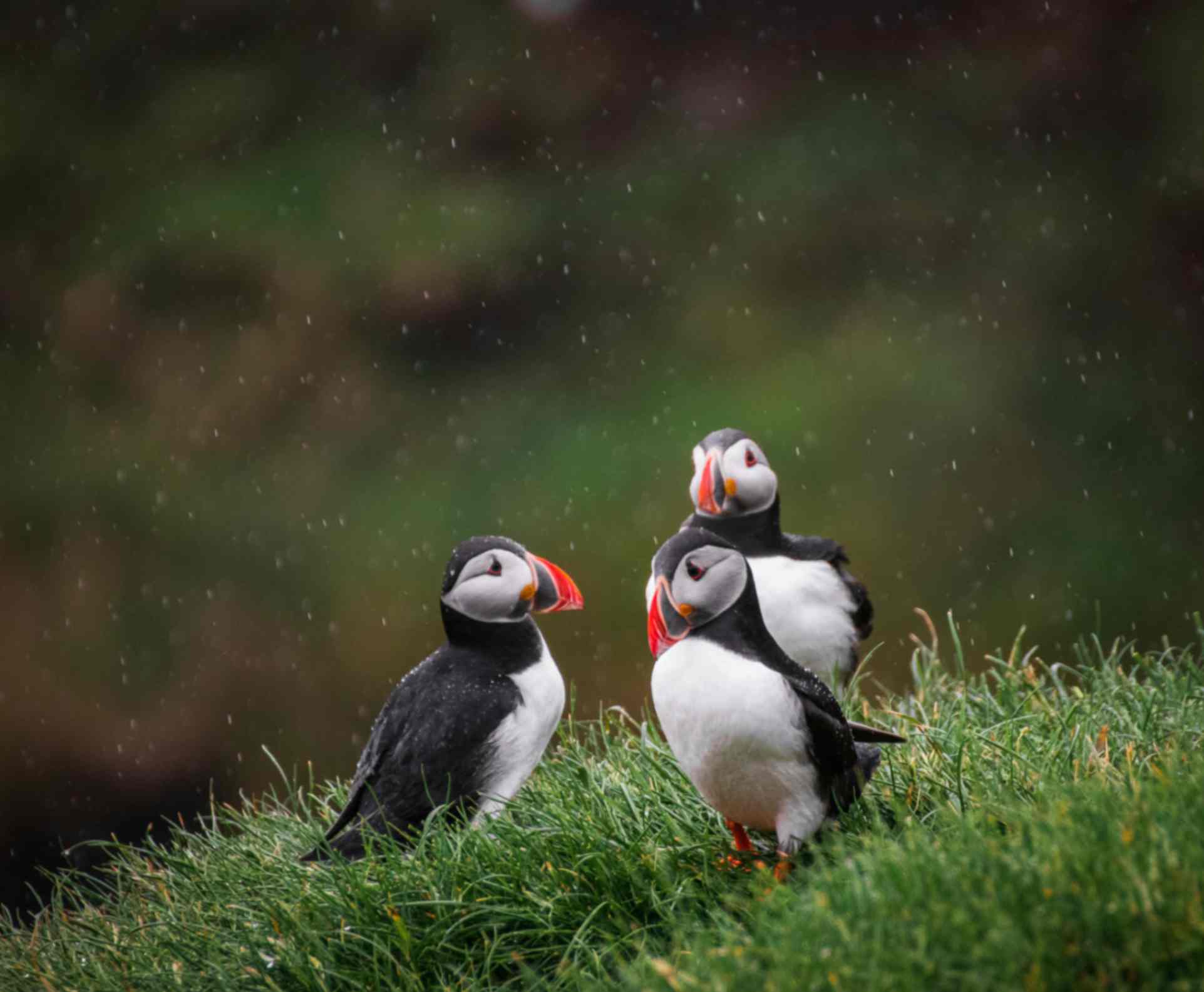
Reykjavik is a haven for bird enthusiasts, especially during spring and summer. Tjörnin Lake in the city center attracts swans, geese, Arctic terns, and ducks, making it perfect for casual bird watching. For a more immersive experience, take a short ferry ride to Viðey Island, where you might spot puffins, kittiwakes, and other seabirds along the trails and coastline. Bring binoculars and enjoy the serene natural settings without leaving the city.
Beyond self-guided adventures, several Reykjavik-based operators offer guided nature walks and wildlife tours within the city and its immediate surroundings. These tours highlight local flora, fauna, geology, and the unique ecosystems of Reykjavik, providing insight into Iceland’s natural heritage without venturing far from the city center.
Reykjavik offers a rich variety of museums and galleries that showcase Iceland's unique history and vibrant art scene.
Art lovers can explore notable galleries such as the Reykjavik Art Museum and Kjarvalsstaðir, which display contemporary and Icelandic art, celebrating both local talent and international creativity.
Discover Reykjavik's unique bathing culture by visiting its renowned thermal pools and spas. Enjoy family-friendly facilities and authentic local atmosphere at public pools like Sundhöllin, Laugardalslaug, and Vesturbaejarlaug, each offering modern amenities and a welcoming environment. For a luxurious retreat, experience the Sky Lagoon's signature seven-step ritual while soaking in breathtaking ocean views. Don’t miss Nauthólsvík Geothermal Beach, where you can relax in hot pools, stroll along the sandy beach, and swim outdoors all year round—just like the locals do.
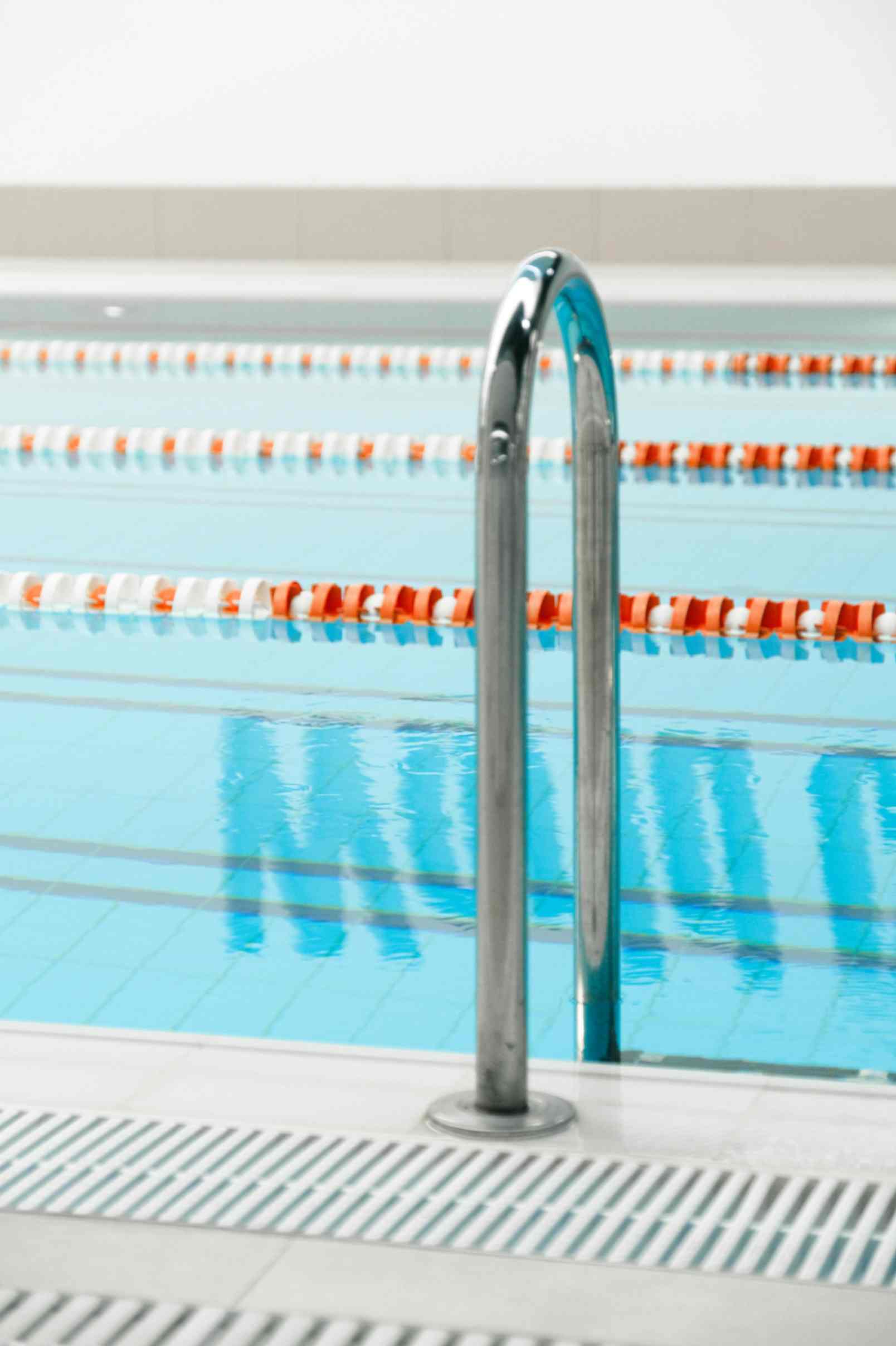
Sundhöllin, Laugardalslaug, and Vesturbaejarlaug are popular public pools in Reykjavik, each providing a genuine local experience. These pools are known for their clean, modern facilities, including multiple hot tubs, saunas, and swimming lanes. They are especially family-friendly, offering shallow pools and play areas for children. Locals frequent these spots not only to swim, but also to socialize and unwind after a busy day.
The Sky Lagoon offers a luxurious and relaxing experience, featuring its signature seven-step ritual. This unique wellness journey includes steps like a warm lagoon soak, cold plunge, sauna, steam, and body scrub, designed to rejuvenate both body and mind. The lagoon is situated right by the ocean, providing stunning panoramic views and a tranquil atmosphere, making it an unforgettable destination for visitors seeking relaxation and indulgence.
Nauthólsvík Geothermal Beach is a unique spot where you can enjoy hot geothermal pools and a sandy beach, even during Iceland’s colder months. The beach is open year-round, allowing visitors to swim outdoors in heated water or brave the cool sea for a refreshing dip. The area is also perfect for leisurely walks along the shore and is a favorite among locals who enjoy outdoor activities in all seasons.
Kolaportið Flea Market is a must-visit destination in Reykjavik, open on weekends and known for its vibrant atmosphere. Visitors can browse a wide selection of local crafts, discover unique vintage treasures, and sample authentic Icelandic specialties, making it an ideal spot for those seeking local culture and one-of-a-kind finds.
Experience Reykjavik’s dynamic street art and creative culture, where vibrant murals, captivating wall poetry, and unique public art installations transform the city’s landscape. Explore the top neighborhoods in Reykjavik renowned for their impressive street art, creative atmosphere, and local expression. Discover famous Icelandic and international artists who have contributed to Reykjavik’s urban art scene and learn how these works reflect the city’s cultural identity, inspire creativity, and foster community spirit.
Reykjavik’s murals are large, colorful paintings found on building facades throughout the city. These artworks often depict Icelandic folklore, nature, and social themes, adding vibrancy and character to neighborhoods like Grandi and Laugavegur. Local and international artists collaborate on these pieces, making each mural unique and reflective of the city’s evolving culture.
Wall poetry combines visual art with literature, featuring stanzas from Icelandic and international poets painted alongside or within murals. This form of street art invites passersby to reflect on the connection between words and images, turning city walls into open-air galleries that celebrate Reykjavik’s literary heritage and creative spirit.
Reykjavik’s public art installations range from sculptures and interactive pieces to temporary exhibits. These installations are often found in parks, plazas, and along the waterfront, encouraging community engagement and dialogue. They highlight both traditional and contemporary Icelandic art, showcasing the city’s commitment to creativity and public expression.
Reykjavik offers unforgettable food experiences that highlight Iceland’s unique culinary culture.

Don’t miss the legendary hot dogs at Bæjarins Beztu Pylsur, a must-visit stand known for its delicious lamb-based hot dogs topped with crispy onions and special sauces—order one with "the works" for the full experience.
Explore vibrant food halls like Hlemmur Mathöll and Grandi Mathöll, where you can sample a range of cuisines from local Icelandic specialties to international dishes, all in a lively, communal setting popular with both locals and visitors.
For a true taste of Iceland, try traditional dishes such as tender lamb, fresh seafood, hearty rye bread, and creamy skyr at some of Reykjavik’s top restaurants, where expert chefs put a modern twist on classic flavors, ensuring an authentic and memorable meal.
Discover Reykjavik's most unique and offbeat experiences, perfect for adventurous travelers seeking something different.
Where you can enjoy artisan chocolate at Omnom, shop at unique boutiques, and try a variety of local foods.
For peaceful walks, birdwatching, and stunning Northern Lights views. Check tide times for safe access.
A quirky home filled with unique art and local legends, located off the main tourist routes.
At local shows and events, including “How to Become Icelandic in 60 Minutes,” live concerts, and comedy nights that highlight Icelandic culture.
Top bars like Kaldi, Lebowski Bar, and Jungle Cocktail Bar are popular with both locals and visitors, offering a wide variety of drinks and lively music. The city’s nightlife is known for its vibrant energy and welcoming atmosphere.
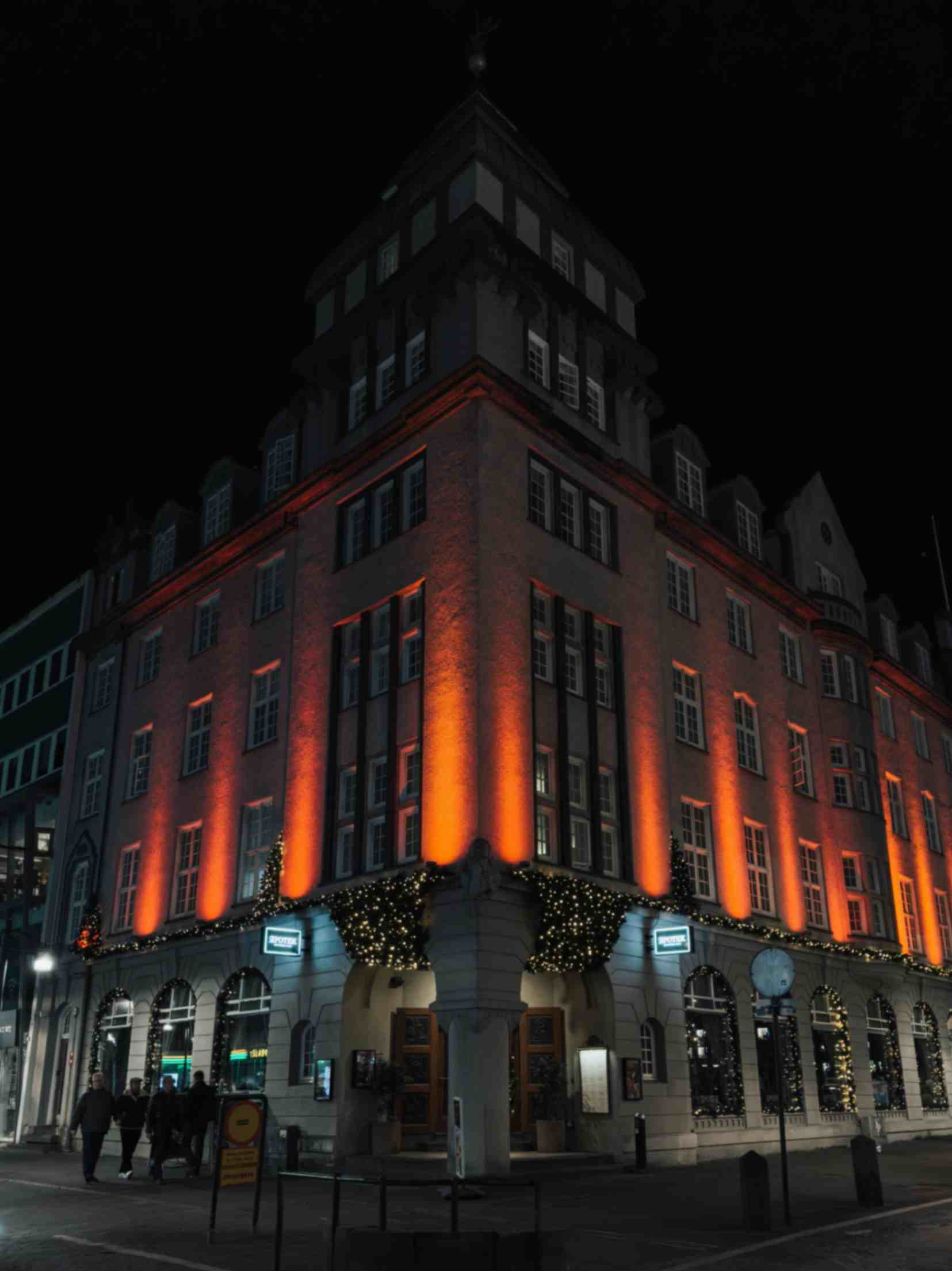
Reykjavik’s party culture often starts with "runtur," a pre-drinking ritual, and continues late into the night, especially on weekends. Unique local traditions add to the city’s nightlife experience.
Reykjavik is recognized for being safe and friendly, making it an excellent destination for solo travelers wanting to enjoy the nightlife scene.
Whether you’re looking for clubbing tips or simply want to experience Icelandic hospitality, Reykjavik’s nightlife is both memorable and accessible.
Reykjavik is the perfect base for unforgettable day trips that showcase Iceland’s breathtaking natural wonders and unique experiences.
Each of these day trips offers a unique way to experience the best of Iceland, ensuring your visit to Reykjavik is truly memorable.
Choosing the right place to stay in Reykjavik depends on your travel style and budget. The city center is ideal for those who want to be close to major attractions, restaurants, and nightlife, while quieter neighborhoods offer a more relaxed atmosphere with easy access to public transportation.
Accommodation options range from luxurious hotels and boutique guesthouses to affordable hostels and self-catering apartments, each offering unique benefits. For example, luxury travelers might enjoy the elegance of the Canopy by Hilton, while mid-range visitors can opt for the cozy Reykjavik Residence Hotel. Budget-conscious travelers will find comfort and value at Kex Hostel or local guesthouses.
No matter your preference, Reykjavik offers excellent choices for every type of traveler, ensuring a comfortable and memorable stay.
Planning a trip to Iceland? Here are essential tips to make your visit smooth and enjoyable.
What to Wear: Dress in layers to adapt to changing weather, pack waterproof clothing, and bring swimwear for the famous geothermal pools.
How Long to Stay: A short stay lets you see the highlights, but a longer visit allows for deeper exploration of Iceland’s natural wonders.
Safety Tips: Stay safe with general travel precautions, follow advice for solo or family travelers, and keep emergency contacts handy.
Budgeting and Saving Money: Save by dining at local spots, visiting free attractions, or using the Reykjavik City Card for discounts.
Useful Resources: Check official tourism websites, download handy apps and maps, and read local blogs for the latest travel insights.
Reykjavik stands out as a dynamic city where breathtaking nature, rich culture, and modern attractions come together to create an unforgettable travel experience. Whether you’re drawn to iconic landmarks, vibrant street art, relaxing thermal pools, or the city’s lively food and nightlife scenes, Reykjavik offers something for every traveler.
We encourage you to venture beyond the usual sights, discover hidden gems, and make your own unique memories in Iceland’s captivating capital.
Most visitors find that 2–3 days is enough to see Reykjavik’s main attractions, enjoy local food, and take a day trip or two. If you want to explore more museums, relax in thermal pools, or use Reykjavik as a base for multiple day trips, consider staying 4–5 days.
Iceland is a nearly cashless society. Credit and debit cards are accepted almost everywhere, including taxis, shops, restaurants, and even public pools. ATMs are widely available, but most travelers get by without using cash at all.
Pack warm, waterproof layers year-round, as Icelandic weather is unpredictable. Bring a windproof jacket, sturdy shoes, swimwear for pools, and a hat and gloves—even in summer. Don’t forget a swimsuit and flip-flops for thermal baths.
Top sights include Hallgrímskirkja Church, Harpa Concert Hall, Sun Voyager, Perlan, Tjörnin Lake, the Old Harbour, and Laugavegur shopping street. Don’t miss soaking in a local pool or the Sky Lagoon, and enjoy the vibrant street art around the city.
Yes, Reykjavik is considered one of the safest cities in the world for all types of travelers. Violent crime is rare, and the city is very walkable, even at night.
It’s a good idea to book popular tours—such as the Blue Lagoon, Sky Lagoon, whale watching, and Northern Lights excursions—in advance, especially during peak season or weekends. Many museums and pools do not require advance booking.
It’s possible to see the Northern Lights from Reykjavik between September and April, but your chances improve outside the city due to less light pollution. Many tour operators offer Northern Lights tours with expert guides and flexible rebooking policies if the aurora doesn’t appear.
Try a hot dog at Bæjarins Beztu Pylsur, soak in a public pool with locals, browse the Kolaportið Flea Market, enjoy live music or comedy at Harpa, or take a ferry to Viðey Island for nature walks and art installations. For something quirky, visit the Icelandic Phallological Museum.
Most attractions are within walking distance in the city center. For further destinations, use the city’s efficient bus system (Straeto), rent a bike, or join guided tours. Taxis and rideshares are available but can be expensive.
Yes, while Reykjavik can be pricey, you’ll find budget-friendly meals at food halls like Hlemmur Mathöll and Grandi Mathöll, hot dog stands, and supermarket delis. Tipping is not required but appreciated for excellent service.
Visit in summer (May–August) for long days, mild weather, and festivals. For Northern Lights, come between September and April. Shoulder seasons (spring and autumn) offer fewer crowds and lower prices.
Absolutely! Geothermal pools and hot tubs are open year-round. Icelanders love swimming outdoors, even when it’s snowing.
Tip: For more detailed planning, check out the Reykjavik City Card for discounts on museums, pools, and public transport.
Renting a car is a great option if you want maximum flexibility for exploring Iceland beyond Reykjavik. Many major rental car companies operate at Keflavik Airport, allowing you to pick up your vehicle upon arrival and drive directly to the city (about 45 minutes). This is especially convenient if you plan to take day trips, visit the countryside, or explore at your own pace. However, if you’re staying mostly in Reykjavik and joining guided tours, a shuttle transfer may be more cost-effective and convenient.


