The Best 12 Things to Do in Iceland for First-Time Visitors: A Practical Guide

27.03.2026 (Updated: 27.04.2026, 13:27)
27.04.2026


Iceland is a captivating destination for first-time visitors, offering breathtaking landscapes, a rich and vibrant culture, and easy accessibility from many international locations. When planning your trip, you'll discover there are countless things to do in Iceland, from exploring volcanic terrain to witnessing majestic waterfalls and geothermal wonders, all of which set it apart as a truly unique country.
This guide is designed to provide a helpful overview and practical tips, ensuring you can plan a memorable and rewarding first trip to Iceland.
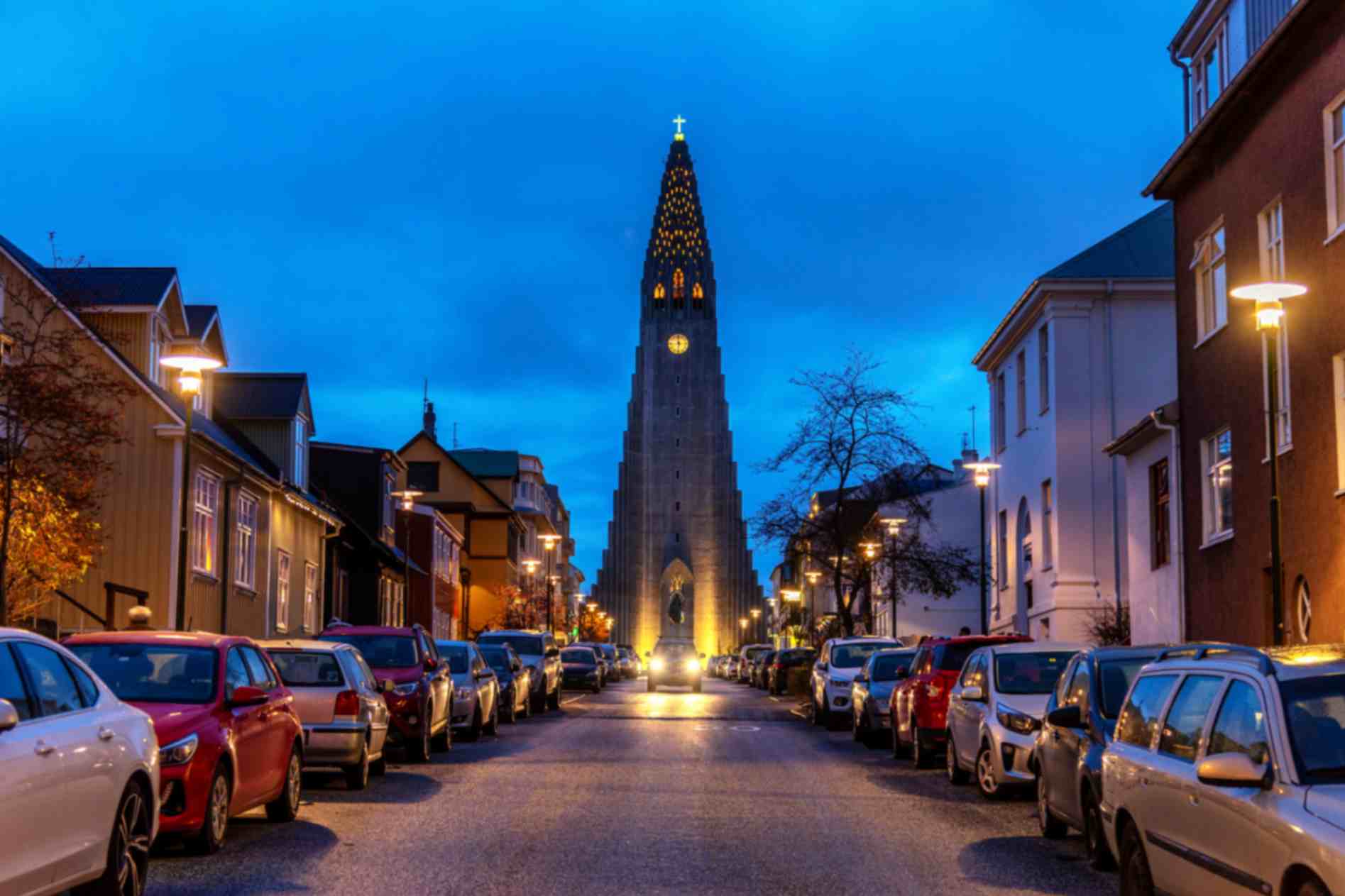
Reykjavik, the lively capital of Iceland, welcomes visitors with a diverse array of experiences. The city center is pedestrian-friendly, making it easy to discover iconic sites like Hallgrimskirkja Church and the Harpa Concert Hall.
In addition to its remarkable architecture, Reykjavik features a thriving culinary scene and numerous cultural attractions. These highlights reflect the city's distinct personality and creative spirit, making it a must-visit destination for travelers.
Thingvellir National Park, home to the famous Almannagja gorge and Oxararfoss waterfall, is an essential stop on the Golden Circle route. Here, visitors can experience the Silfra fissure, where tectonic plates meet, and immerse themselves in Iceland’s rich history.
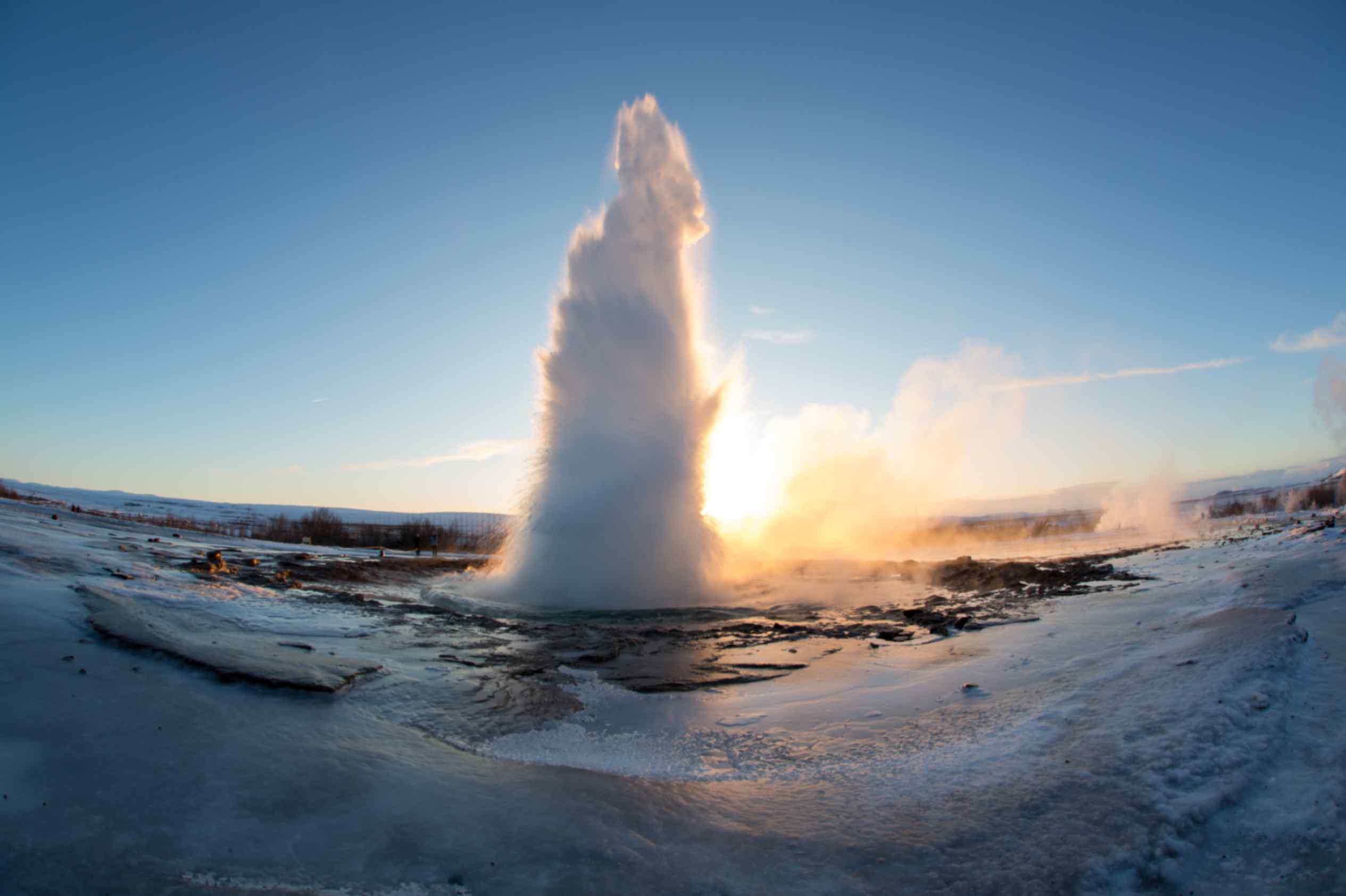
The Geysir geothermal area, featuring the renowned Strokkur geyser, offers an unforgettable geothermal spectacle. This area is also home to the original Geysir and is close to the relaxing Laugaras and Secret Lagoon hot springs.
Gullfoss Waterfall, one of Iceland’s most iconic landmarks, impresses with its powerful cascades and breathtaking views. Nearby, the Langjokull glacier and Hengill volcanic area provide additional opportunities for exploration.
Optional tip: For those seeking extra adventure, the Kerid volcano crater reveals unique volcanic features and dramatic landscapes along the Golden Circle.
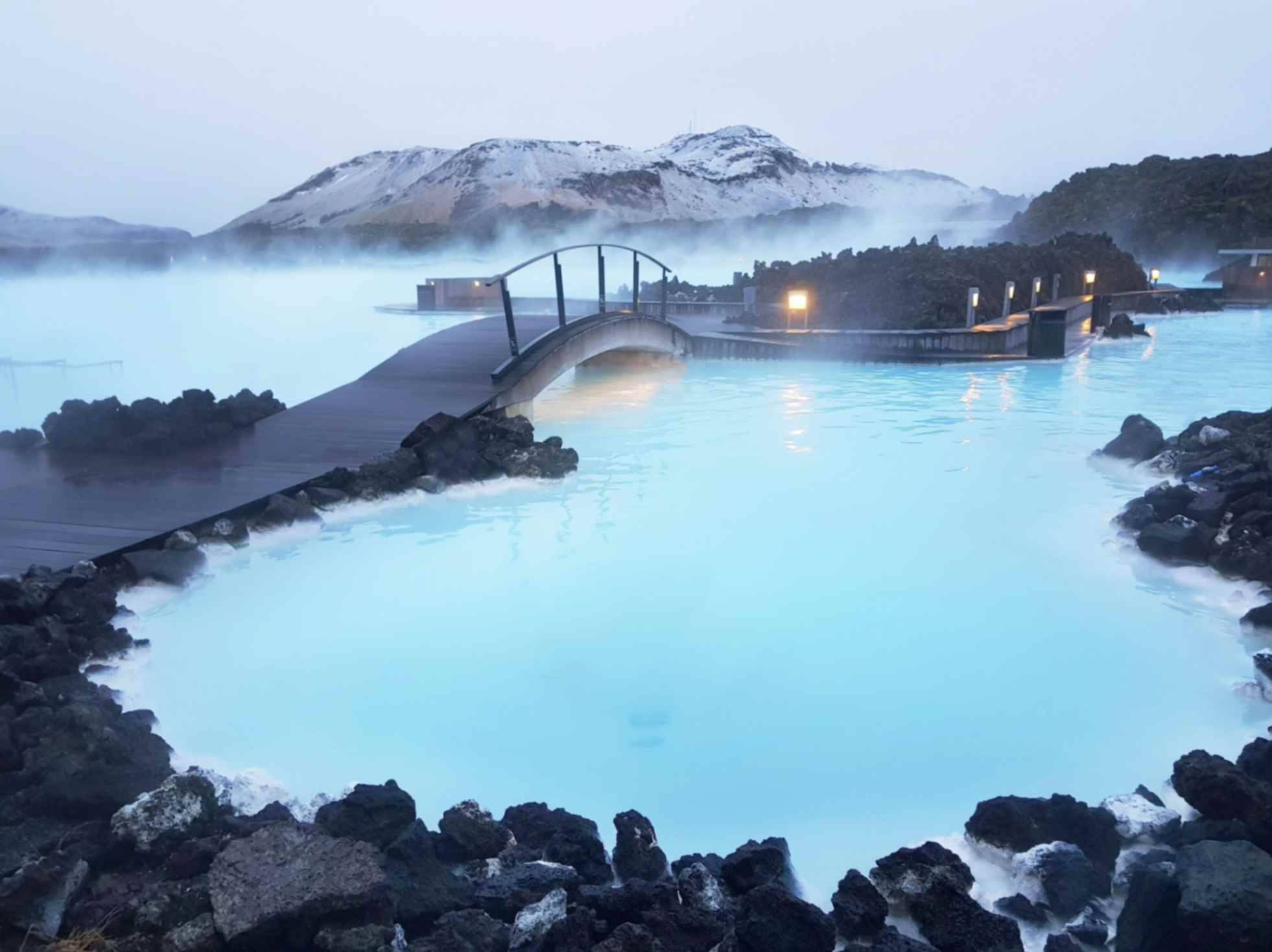
The Blue Lagoon is one of the most famous hot springs in Iceland, located on the Reykjanes Peninsula. It offers a unique geothermal bathing experience surrounded by dramatic volcanic landscapes.
To make the most of your visit, consider booking your tickets in advance as the spa is very popular. Bring a swimsuit, and be sure to enjoy the soothing mineral-rich waters, which are known for their relaxing and rejuvenating properties. For travelers interested in exploring more hot springs in Iceland, the Reykjanes Peninsula is a great starting point, offering both convenience and stunning natural beauty.
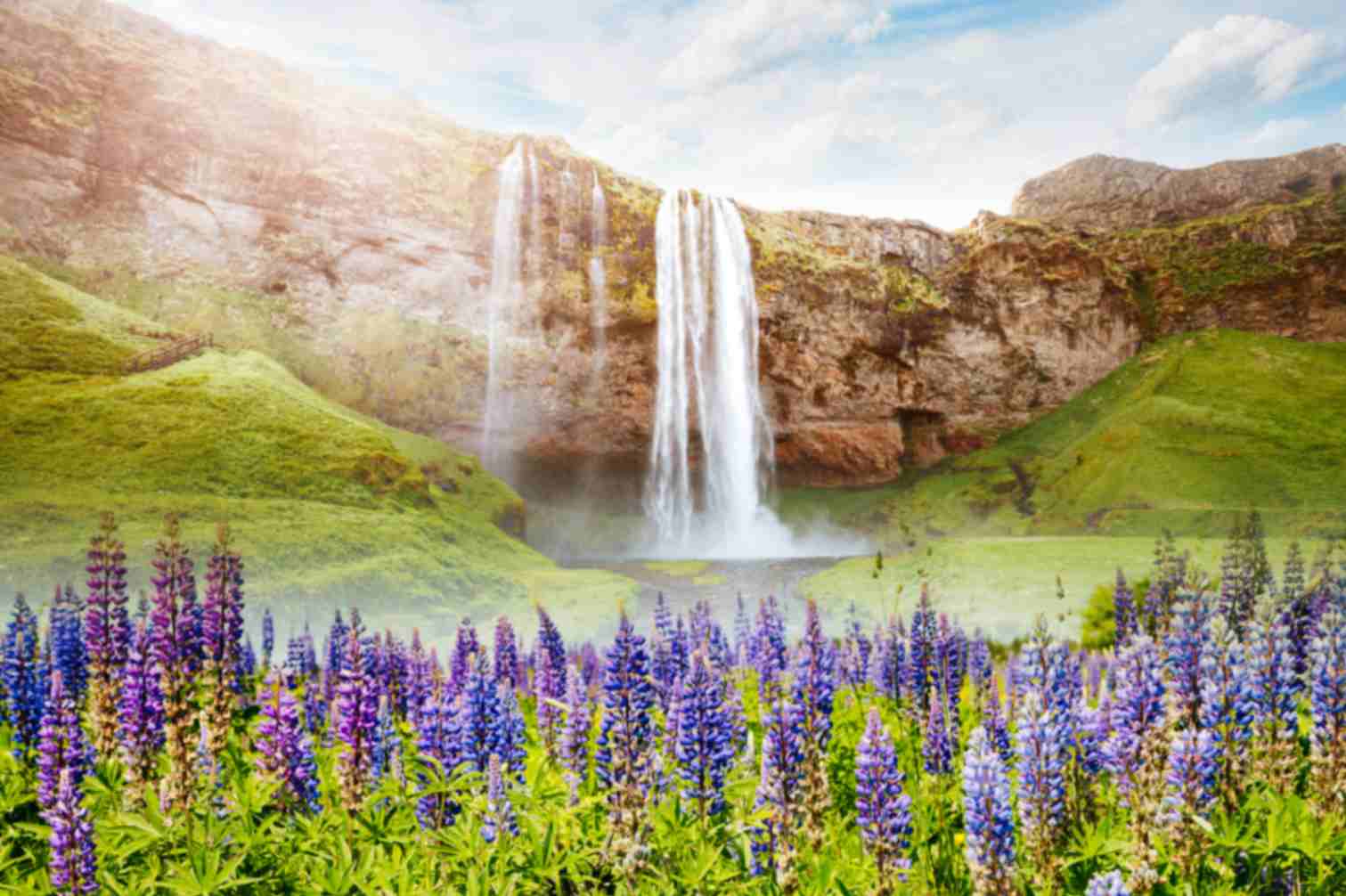
Discover the breathtaking waterfalls along Iceland's South Coast, celebrated for their stunning beauty and unforgettable experiences. These spots are beloved by nature lovers and adventure seekers, and are often listed among the top things to see in Iceland.
Make sure to include these South Coast waterfalls in your travel plans to experience Iceland’s amazing scenery and create unforgettable memories. Whether you love photography, outdoor adventures, or simply want to witness nature’s power, Seljalandsfoss and Skogafoss are must-see stops on any trip to Iceland.
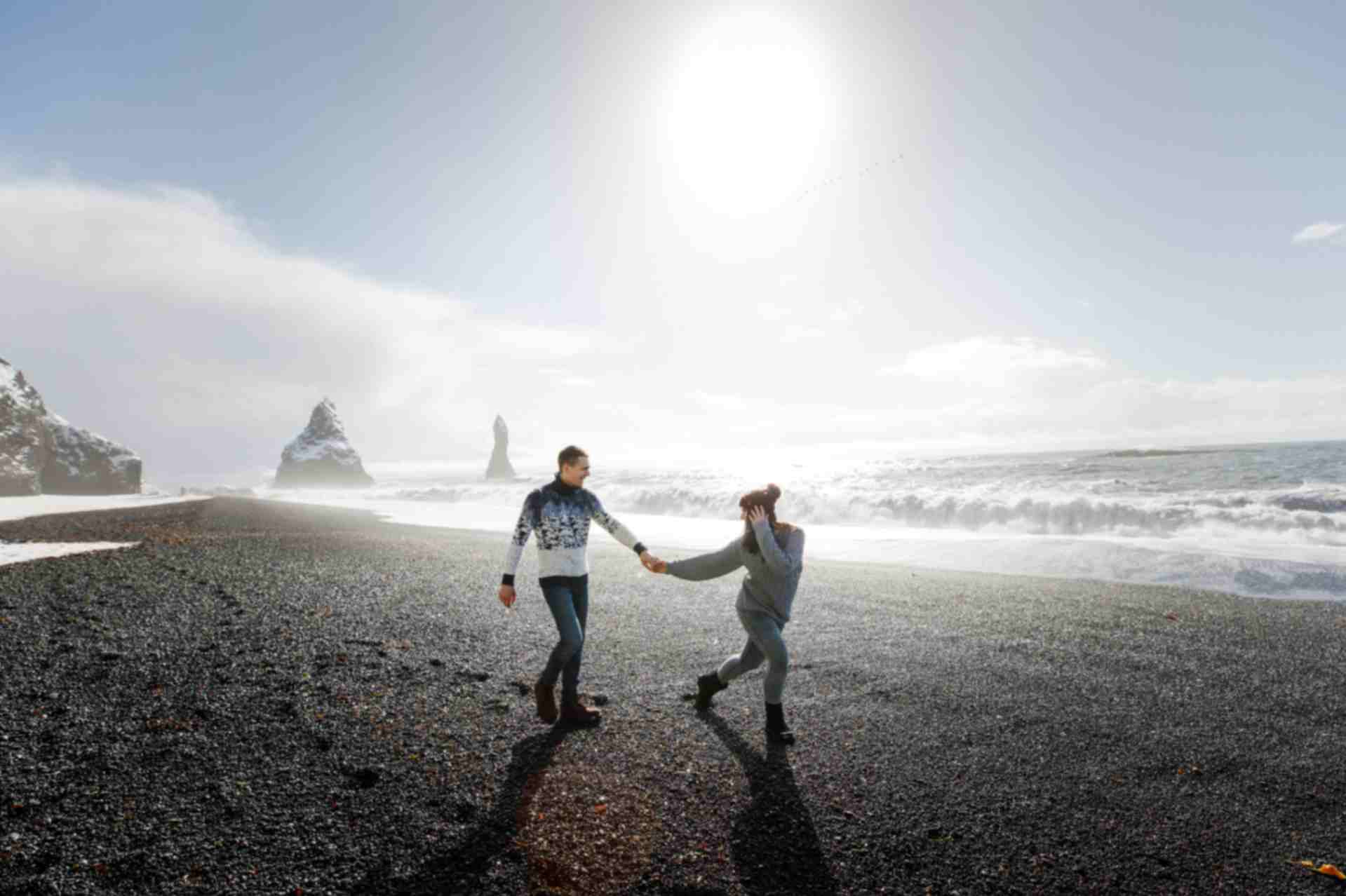
Discover the world-famous Reynisfjara black sand beach, renowned for its volcanic black sand and dramatic basalt columns. Located near the village of Vík, this iconic spot is surrounded by extraordinary coastal features, including towering sea stacks and unique lava rocks. The nearby Vikurfjara black sand beach and the scenic Diamond Beach near Jökulsárlón glacier lagoon offer more opportunities to witness Iceland’s geological marvels.
On the Snaefellsnes Peninsula, you can visit the striking Djupalonssandur beach and the photogenic Stokksnes area, home to the impressive Vestrahorn mountain. These locations are celebrated for their black sand, basalt formations, and breathtaking coastal scenery. In the distance, you may even catch a glimpse of the mighty Eyjafjallajökull volcano.
When visiting these beaches, be aware of sneaker waves—powerful, unpredictable waves that can surge far up the shore. Always stay a safe distance from the water, heed warning signs, and remain vigilant. Whether you’re a nature enthusiast or a photographer, Iceland’s black sand beaches and coastal features promise a memorable and safe adventure.
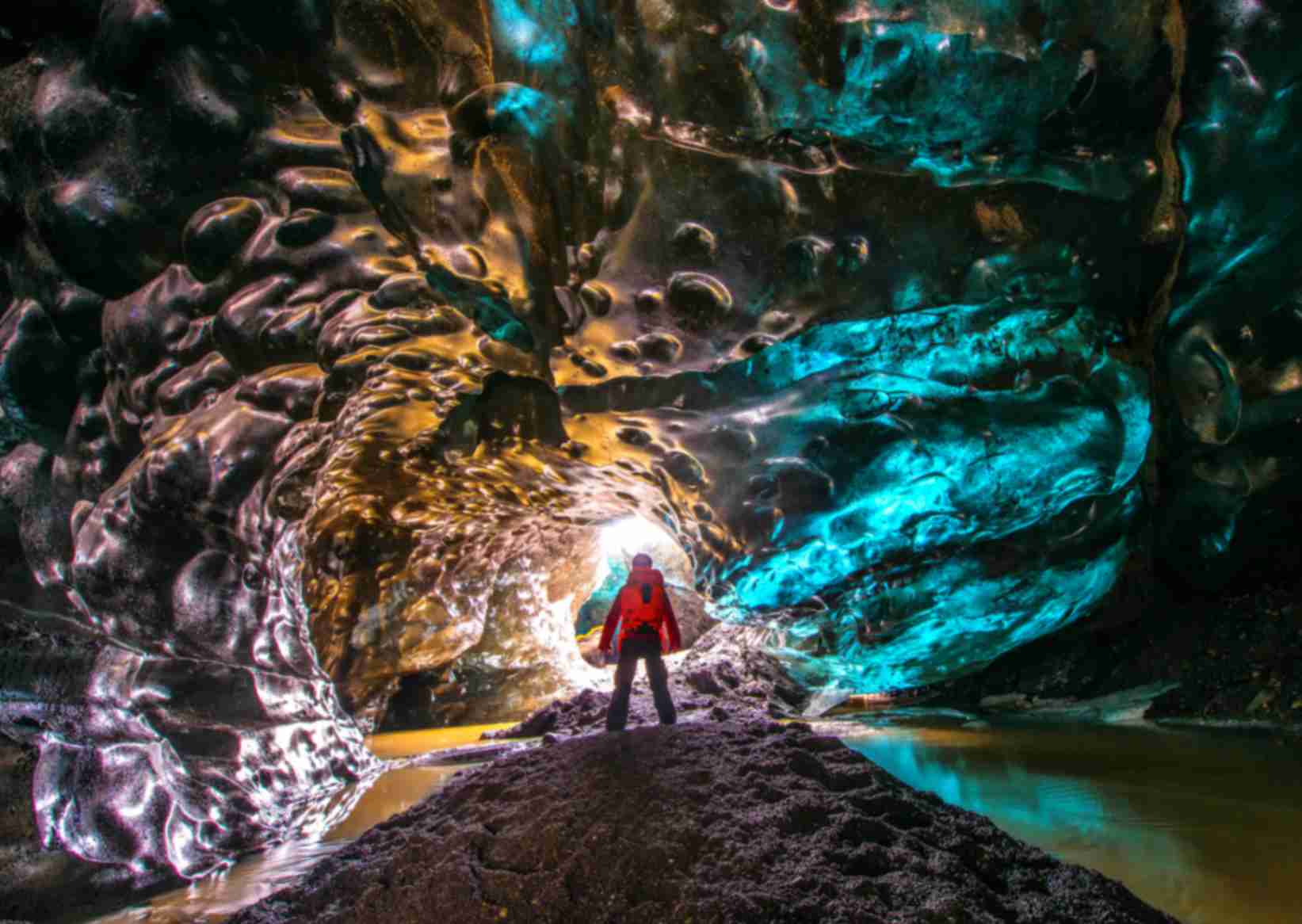
Discover the breathtaking beauty of Icelandic glaciers and ice caves. These are two of the country's most iconic natural wonders.
A visit to Jokulsarlon Glacier Lagoon and the nearby Diamond Beach offers unforgettable views of floating icebergs and shimmering black sand. This makes it a must-see destination for travelers searching for the best glacier tours in Iceland.
For adventure seekers, guided glacier hiking and ice cave tours provide safe and thrilling opportunities to explore the heart of Iceland's icy landscapes. These tours ensure you experience the top-rated glacier and ice cave excursions while learning about the geology and history of Iceland's glaciers.
Whether you're seeking "glacier hiking Iceland," "ice cave tours Iceland," or "best time to visit Jokulsarlon Lagoon," this section covers everything you need to plan your ultimate Icelandic adventure.
Book a guided tour to experience the magic of Iceland's glaciers and ice caves for yourself and create memories that last a lifetime.
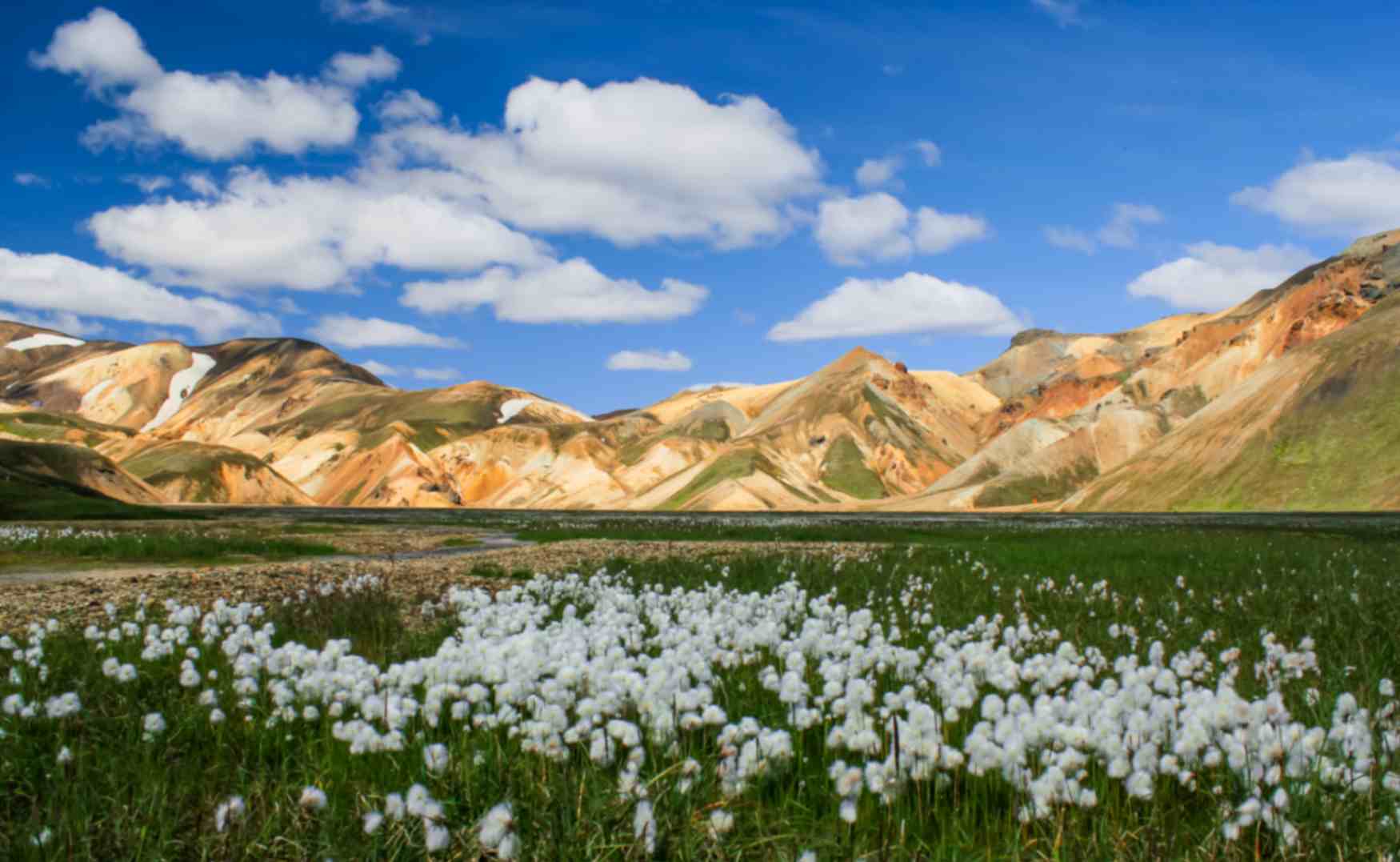
Landmannalaugar and the Icelandic Highlands offer a unique adventure for travelers, especially during the accessible summer season.
Known for their stunningly colorful rhyolite mountains, this region is a haven for hiking enthusiasts, providing a variety of trails that showcase breathtaking landscapes.
After a day of exploration, visitors can relax in the region's natural hot springs, making Landmannalaugar an ideal destination for both adventure and relaxation in Iceland's wild interior.
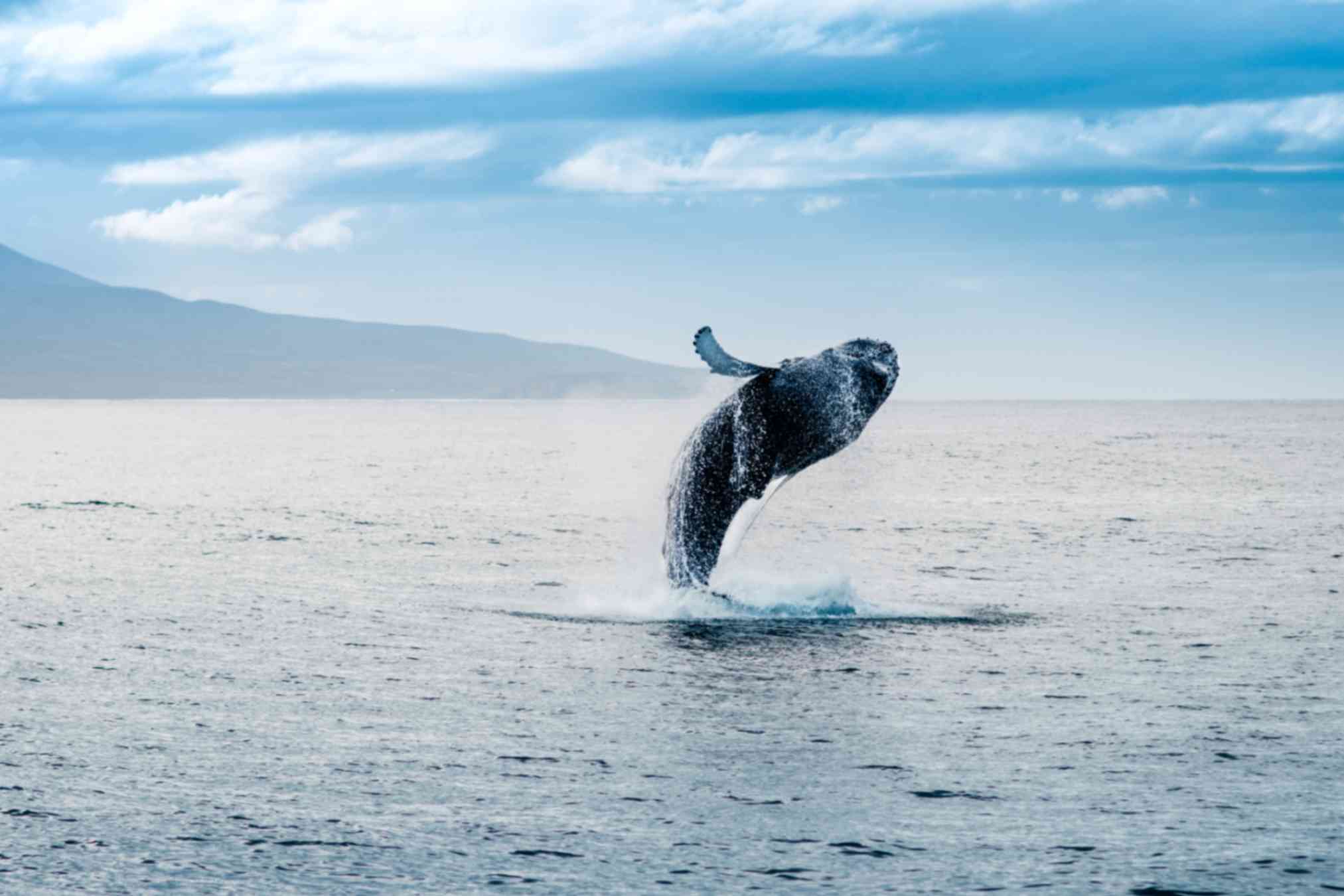
Iceland is renowned among wildlife enthusiasts for its unique and diverse animal life, offering unforgettable experiences such as whale watching and puffin tours led by knowledgeable local guides.
Whale watching is especially popular in areas like Húsavík, Eyjafjörður fjord, and Reykjavík, where expert-led tours operate primarily from April to October. These excursions provide opportunities to observe various whale species, including humpback and minke whales, in their natural habitat.
Puffin viewing is another highlight, with the nesting season running from May to August. Top locations for observing puffins include the Westman Islands, Dyrhólaey Peninsula, and Látrabjarg cliffs. Guided birdwatching tours and visits to puffin rescue centers offer additional chances to learn about and observe these iconic birds, often accompanied by expert commentary.
Other noteworthy activities include exploring traditional fishing villages, participating in reindeer super jeep tours, and discovering the rich birdlife around Borgarfjörður Eystri. These immersive experiences, often supported by local expertise and conservation efforts, allow visitors to gain a deeper understanding of Iceland’s remarkable natural environment, making the country a top destination for nature lovers.
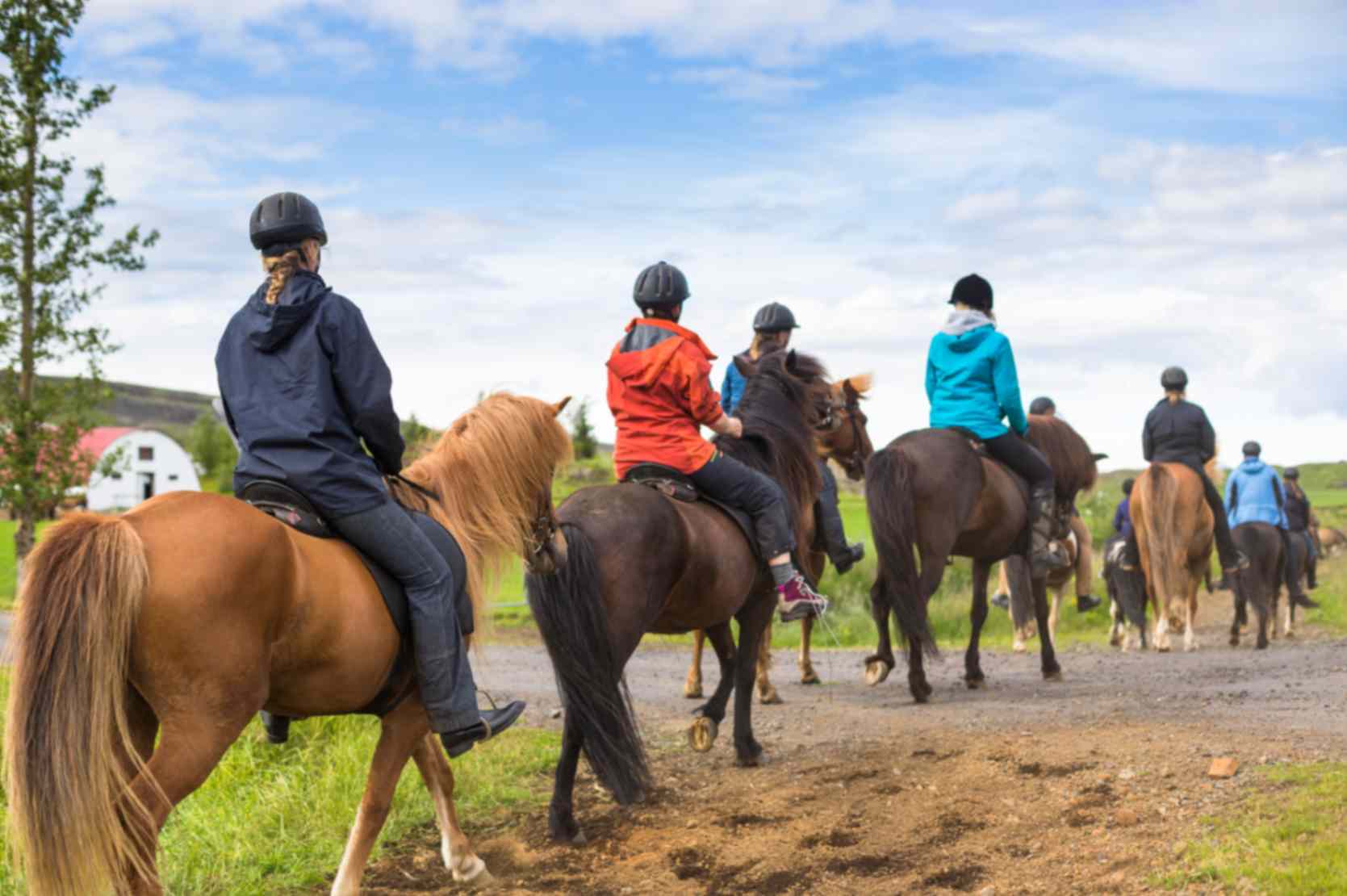
Icelandic horses are a unique breed, known for their friendly nature and smooth gait, making them ideal for riders of all experience levels. If you're a beginner, you'll find that many guided tours are designed to be accessible and enjoyable, ensuring a safe and memorable adventure.
Riding an Icelandic horse allows you to explore Iceland's stunning landscapes in an authentic way. These horses are well-suited to the country's rugged terrain, offering an unforgettable experience that connects you with Iceland's history and natural beauty.
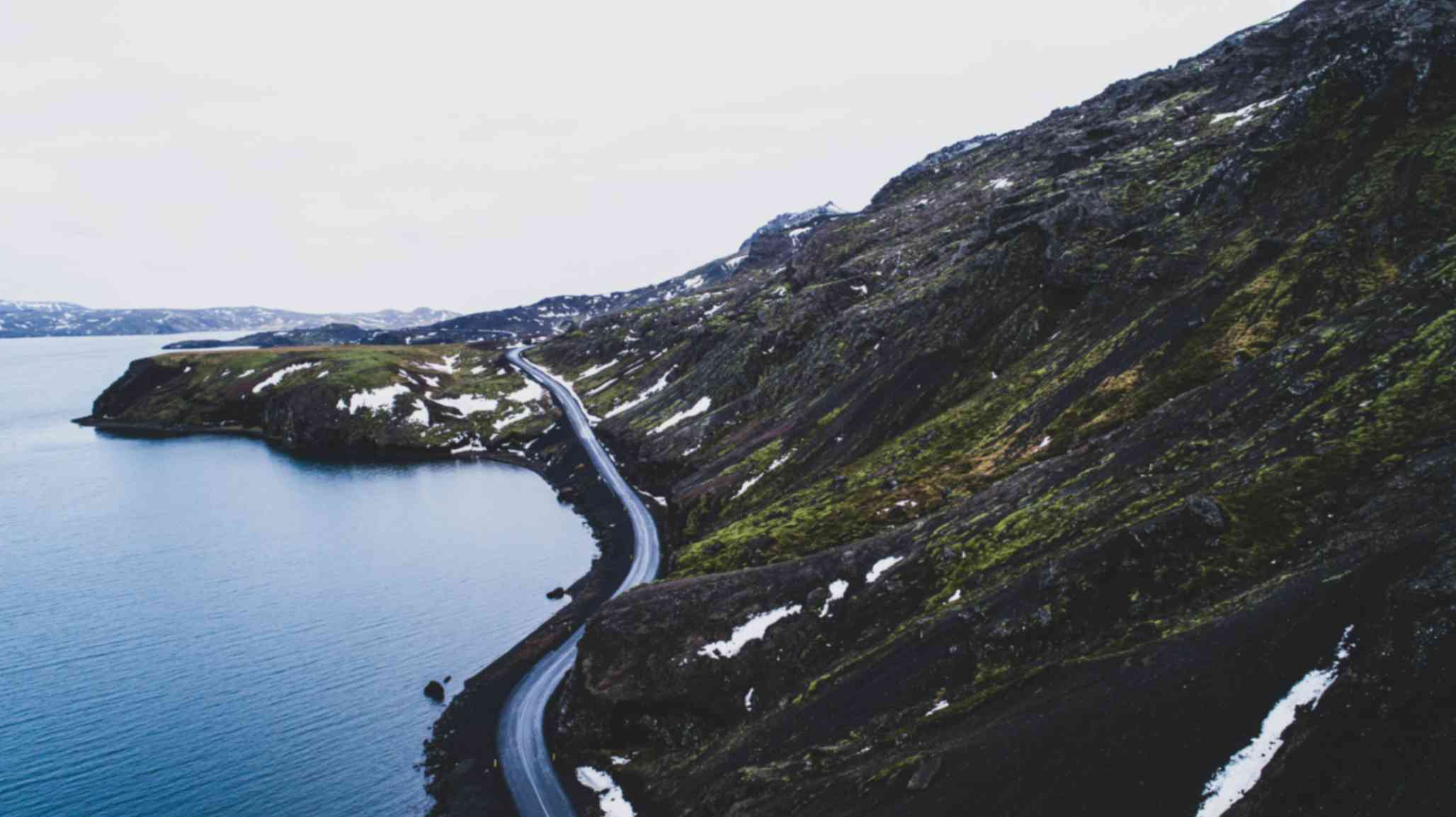
The Eastfjords of Iceland are celebrated for their stunning fjords, charming fishing villages, and dramatic natural landscapes. This region allows visitors to explore pristine environments and immerse themselves in genuine Icelandic culture, reflecting the area's rich heritage and local traditions.
Travelers can stroll through scenic coastal villages, interact with welcoming locals, and savor fresh seafood sourced directly from the Atlantic Ocean. The Eastfjords are ideal for outdoor enthusiasts, featuring well-marked hiking trails, abundant opportunities for wildlife observation, and sweeping vistas perfect for photography and nature appreciation.
Whether you have extra time in your itinerary or are looking for an authentic, off-the-beaten-path adventure, the Eastfjords offer memorable experiences and a deeper understanding of Iceland’s remarkable natural and cultural wonders.
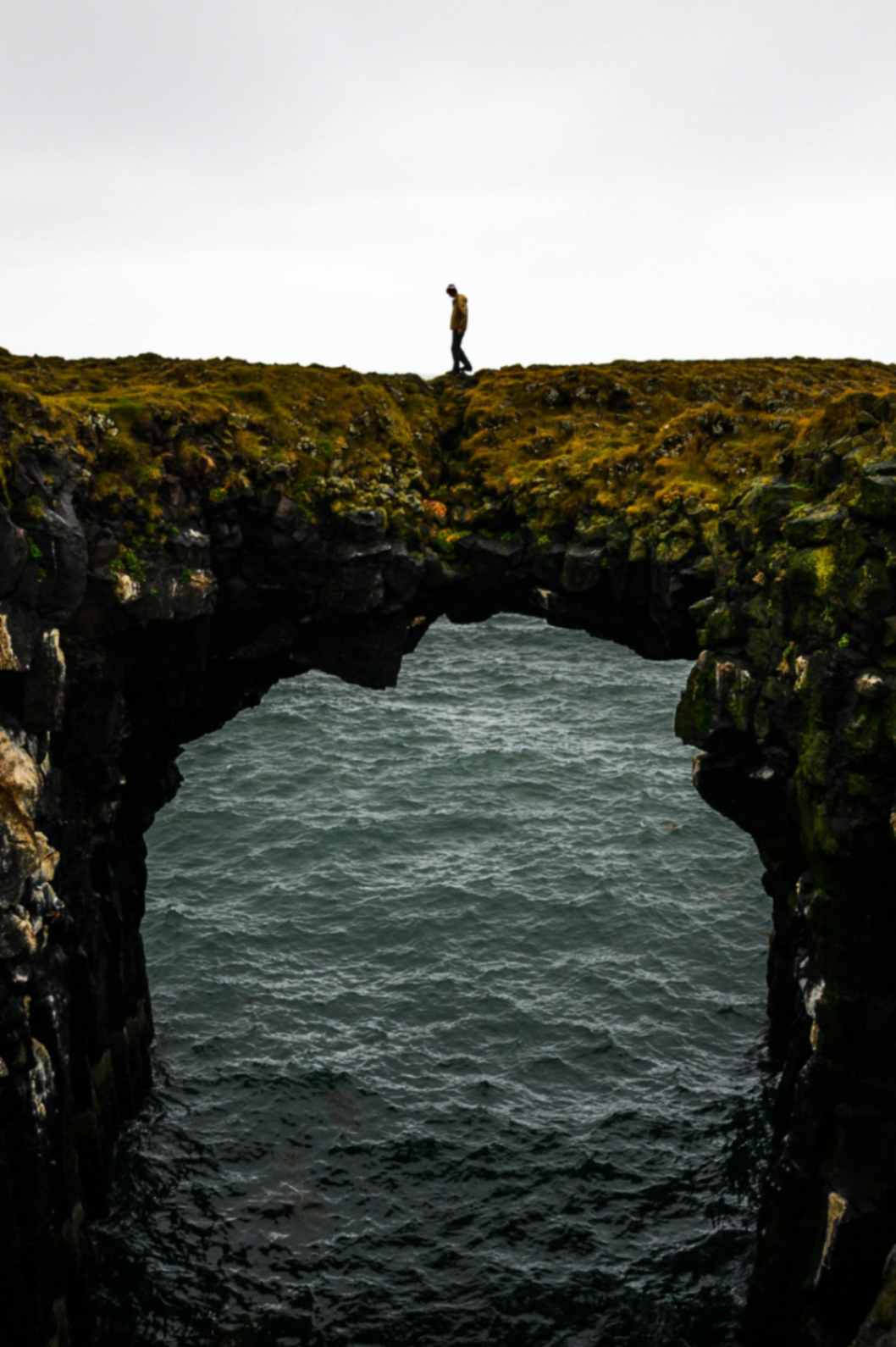
Snaefellsnes Peninsula is often referred to as “Iceland in Miniature” because it showcases a diverse range of the country’s most iconic natural wonders within a compact area. This breathtaking region features dramatic coastlines, black sand beaches, volcanic peaks, and picturesque fishing villages, making it a must-visit destination for anyone exploring Iceland.
Travelers to the Snaefellsnes Peninsula can experience everything from the mystical Snaefellsjökull glacier to basalt cliffs teeming with birdlife. The area’s rich folklore, geological marvels, and accessible hiking trails offer something for every type of adventurer. With its blend of natural beauty and cultural heritage, Snaefellsnes is the perfect introduction to Iceland’s unique landscape and history.
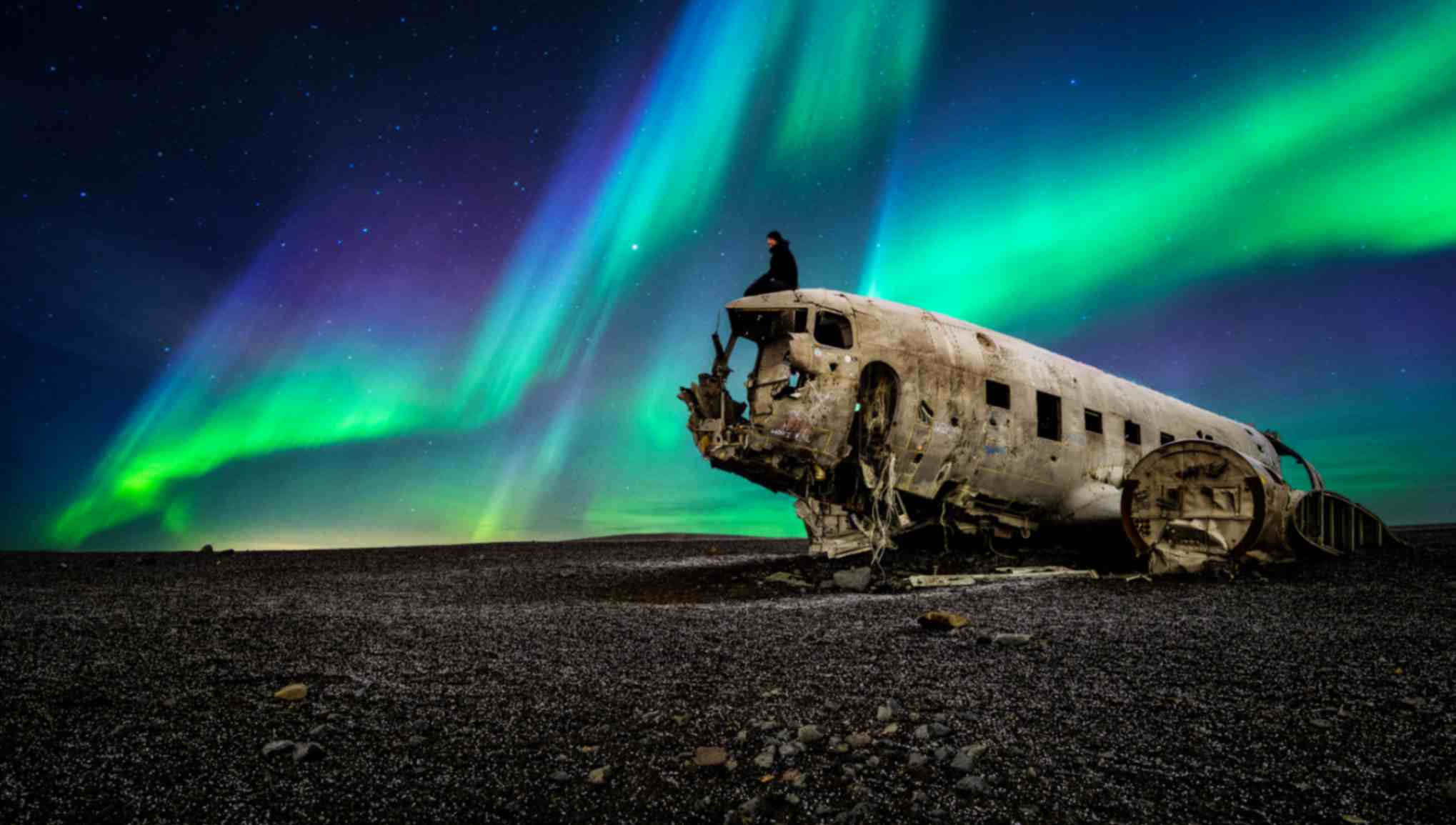
The Northern Lights, also known as the Aurora Borealis, are a breathtaking natural phenomenon visible in northern regions such as Iceland, Norway, and Finland from late September to early April. For optimal Northern Lights viewing, seek out dark-sky locations like the Lake Myvatn area or the Myvatn & Hverir region in Iceland, far from city lights and light pollution.
Visitors can choose from a variety of guided Northern Lights tours, including Northern Lights bus tours, super jeep tours, and even Northern Lights boat cruises from Reykjavik. These tours offer expert guidance, transportation, and access to the best viewing spots.
Alternatively, experienced travelers may prefer self-drive tours, using the northern light forecast and local advice to plan their own adventure. Don’t forget to dress warmly and bring your camera for unforgettable Northern Lights photography. Some tours also combine the experience with visits to ice caves for an extra touch of winter magic.
In summary, we've highlighted the top experiences that offer unique opportunities for adventure and personal growth. Whether you're seeking new destinations or memorable activities, these recommendations provide valuable insights to enhance your journey.
As you embark on your explorations, remember to do so responsibly, respecting local cultures and environments for a positive impact.
Yes, it’s highly recommended to book popular tours and attractions—such as the Blue Lagoon, glacier hikes, ice cave tours, and guided excursions—at least 7–14 days in advance, especially in summer and during holidays. For less-crowded sites or local pools, booking a few days ahead is usually enough.
Most of Iceland’s natural attractions, like waterfalls, beaches, and national parks, are free to visit. However, expect small parking fees at popular sites (e.g., Seljalandsfoss, Thingvellir, Skaftafell). Some sites, like Kerid Crater and Vestrahorn, have a modest admission fee.
Both options are popular. Guided tours offer expert knowledge, safety, and convenience—especially for activities like glacier hiking, ice caving, whale watching, and snorkeling Silfra. Self-driving gives you more flexibility and independence, but requires careful planning and attention to road conditions.
Renting a car is the most flexible way to explore, especially for the Ring Road and remote regions. For those who prefer not to drive, guided tours and bus transfers are widely available to major sights. In Reykjavik, the city is compact and walkable.
Pack for variable weather: bring a waterproof jacket, warm layers, sturdy shoes, gloves, a hat, a swimsuit, and a reusable water bottle. In winter, add thermal underwear and microspikes for icy paths. Always have a power bank and payment card for parking or fuel.
No, the Northern Lights are only visible from late September to early April, when nights are dark. Summer visitors will experience the midnight sun instead.
Iceland is known for high costs, especially for food, fuel, and accommodation. Save by using local municipal pools instead of big spas, cooking some meals, bringing a refillable water bottle, and booking tours or tickets early for better rates.
Stay well back from sneaker waves at beaches like Reynisfjara, respect closures near geothermal or volcanic areas, and check daily weather and road conditions. Always follow posted signs and local advice
Icelanders value punctuality, politeness, and environmental respect. Always remove shoes when entering someone’s home, follow Leave No Trace principles, and greet locals with a smile. Tipping is not expected but appreciated for excellent service.


